

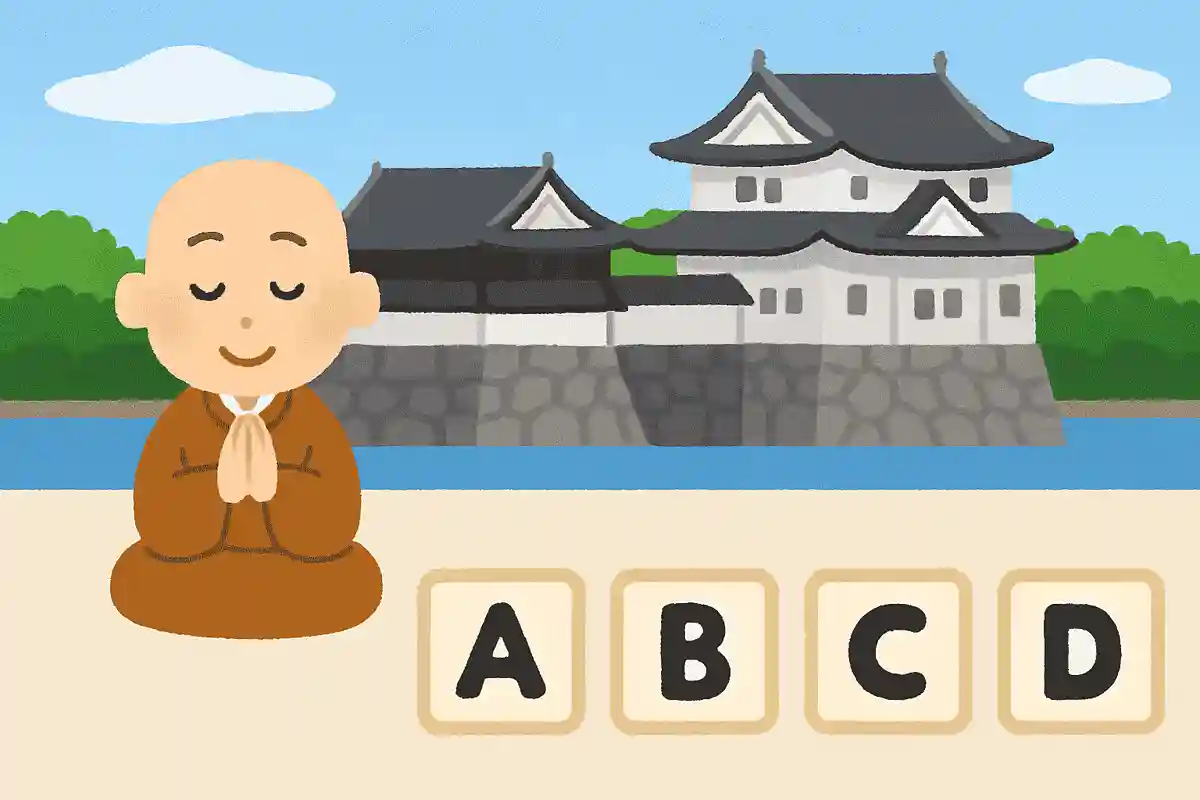
[World Heritage] 3-choice quiz to deepen your trivia about Nijo Castle

Nijo Castle, built as a flatland castle in Kyoto by the Tokugawa shogunate during the Edo period.
It preserves numerous nationally designated cultural properties, including National Treasures and Special Places of Scenic Beauty, and this castle that embodies Japan’s culture and history is popular not only with Japanese visitors but also with tourists from abroad.
For those looking for stories and trivia about Nijo Castle, we recommend multiple-choice quizzes with three options.
You can learn about Nijo Castle’s long history since its construction, including its architectural styles and historical connections.
Be sure to try these quizzes to deepen your knowledge of Kyoto’s culture and Japan’s traditional castles.
- Quiz about Kinkaku-ji: tidbits to help you understand the Golden Pavilion
- Let’s take on the challenge! A multiple-choice history quiz for elementary school students. Review your history lessons.
- Fun facts quiz about Kiyomizu-dera: a three-choice quiz to learn its history and appeal
- Become a trivia master with a multiple-choice quiz for elementary schoolers! A fun problem collection that captivates both kids and adults
- Let's take on a four-choice quiz that everyone can enjoy together!
- Trivia quiz about Ginkaku-ji: three multiple-choice questions to learn about Kyoto’s history
- What kind of place is Byodoin Phoenix Hall? A quiz to learn about a Japanese architectural masterpiece admired worldwide.
- A trivia quiz with fun facts that convey the highlights and charm of Himeji Castle
- Tidbits Quiz about Tōdai-ji: Questions related to the Great Buddha of Nara, too!
- Trivia quiz about Sanjusangendo: a collection of questions to deepen your knowledge
- Quiz for junior high school students
- [For Elementary School Students] Challenge! Kyoto Local Quiz
- [Battle of Wits] Stimulate your intellectual curiosity! Quiz questions that get adults excited
[World Heritage] 3-Choice Quiz to Deepen Your Trivia About Nijo Castle (1–10)
What is the official name of Nijō Castle?
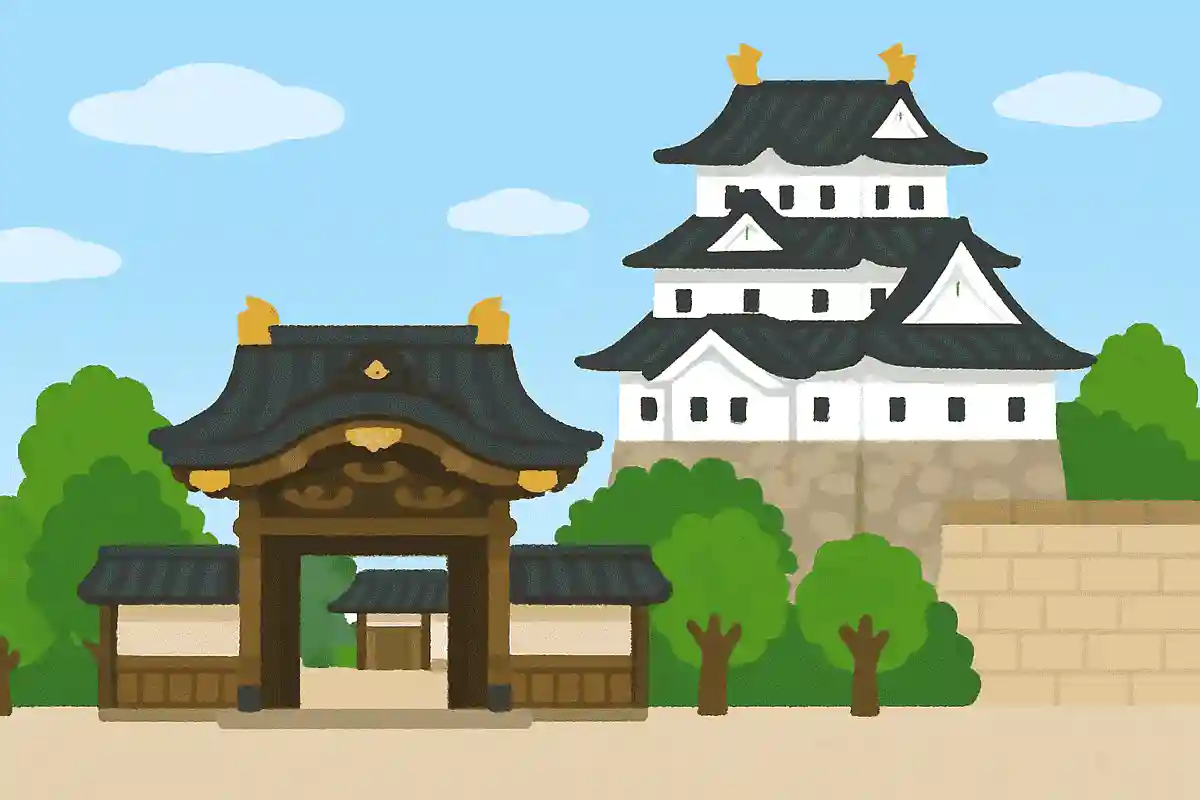
- Kyoto Imperial Palace
- Former Imperial Villa Nijo Castle
- Oike Castle
See the answer
Former Imperial Villa Nijo Castle
Nijo Castle is commonly called “Nijo Castle,” but its official name is “Former Imperial Villa Nijo Castle.” This name reflects its history as a detached palace where members of the imperial family and nobility once resided. After the Restoration of Imperial Rule at the end of the Edo period and through the Meiji Restoration, it came to be used as an imperial villa, which is how it received its name.

What is the name of the main gate of the Ninomaru Palace?
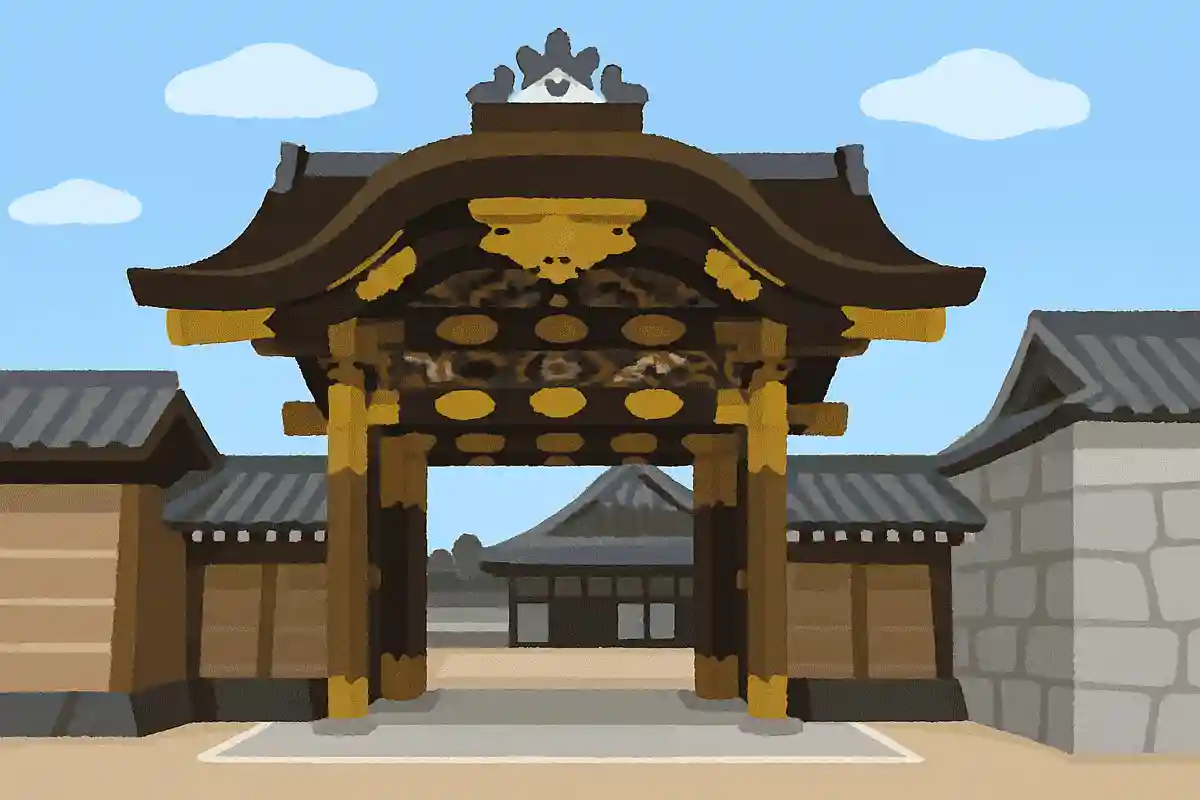
- Main Gate
- Karamon (Chinese-style gate)
- Kikyo Gate
See the answer
Karamon (Chinese-style gate)
The main gate of the Ninomaru Palace is called the “Karamon.” This name was given because it originates in Chinese architectural styles. The Karamon is a grand gate adorned with magnificent decorations and is one of the key components of Nijo Castle that conveys the splendor of bygone days.
What architectural style is Nijō Castle built in?
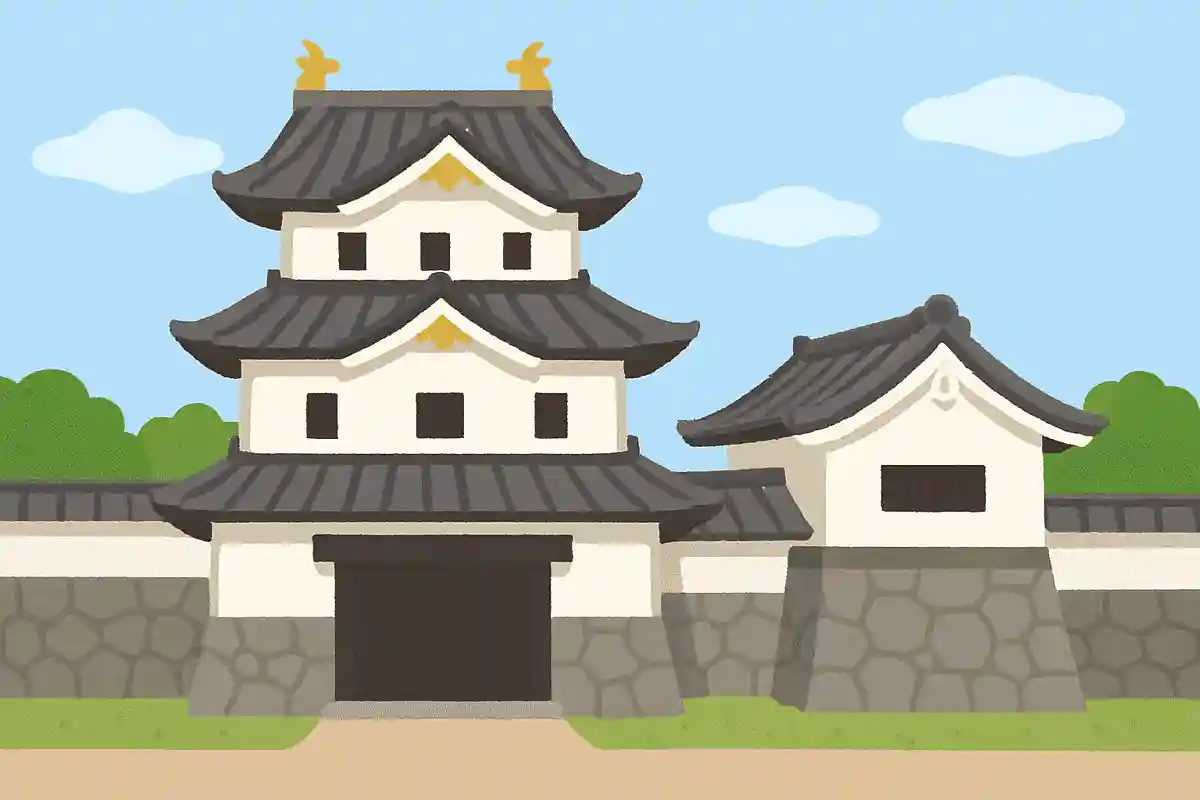
- shoin-zukuri (Shoin-style architecture)
- Japanese-style construction
- Momoyama style
See the answer
shoin-zukuri (Shoin-style architecture)
The Honmaru Palace at Nijo Castle is built in the shoin-zukuri style. This style, favored for the residences of feudal lords and for temple architecture from the Muromachi through the Edo period, is a residentially focused architectural form. As part of the development of zashiki (tatami room) culture, it evolved into one of the prominent architectural formats, characterized by interiors fully covered with tatami mats and formal spaces featuring a tokonoma alcove and a shoin (built-in desk and shelves).
[World Heritage] 3-Choice Quiz to Deepen Your Trivia About Nijo Castle (Questions 11–20)
Which school painted the wall paintings in the Ninomaru Palace?
- Tōzan school
- Tosa school
- Kano school
See the answer
Kano school
The barrier paintings of the Ninomaru Palace were created by painters of the Kano school, who were active from the Momoyama period through the Edo period. The Kano school was one of the most influential schools of Japanese painting, tracing its origins to Kano Motonobu and producing decorative works for many historic buildings.
Why doesn’t Nijō Castle have a tenshukaku (main keep)?

- Removed by order of Toyotomi Hideyori
- Demolished during renovation
- destroyed by a lightning strike
See the answer
destroyed by a lightning strike
Nijō Castle originally had a tenshukaku (main keep), but it was destroyed by a lightning strike in 1750. It was never rebuilt, and to this day only the site of the keep remains.
What is the name of the ceremony at which a banquet was held at Nijo Castle in 1915?
- The Great Code of the Restoration
- Taishō Enthronement Ceremony
- Showa Festival
See the answer
Taishō Enthronement Ceremony
The ceremony held at Nijo Castle in 1915 was the Taisho Enthronement Ceremony, conducted to celebrate the accession of Emperor Taisho. This grand event was widely proclaimed across Japan and to the world as the formal rite of imperial accession. Nijo Castle was chosen as a venue of high prestige, where a series of traditional festivities took place.
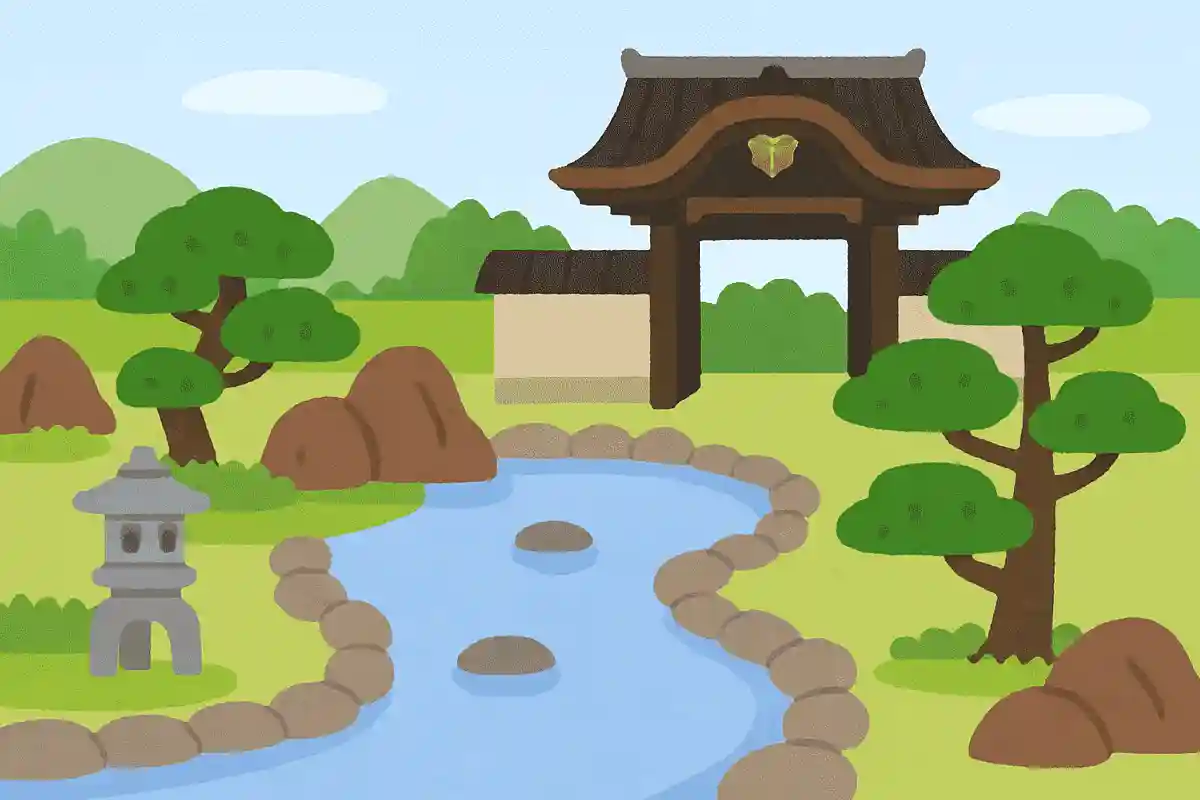
What is the garden of Nijo Castle that is designated as a Special Place of Scenic Beauty by the government?
- Front Garden
- Ninomaru Garden
- Honmaru Garden
See the answer
Ninomaru Garden
The garden at Nijo Castle that is designated as a Special Place of Scenic Beauty by the national government is the Ninomaru Garden. Created in the Edo period, it is a superb pond-centered strolling garden that incorporates ponds, stones, and trees. It is known as a historic garden that allows visitors to experience the changing seasons and the beauty of nature.