

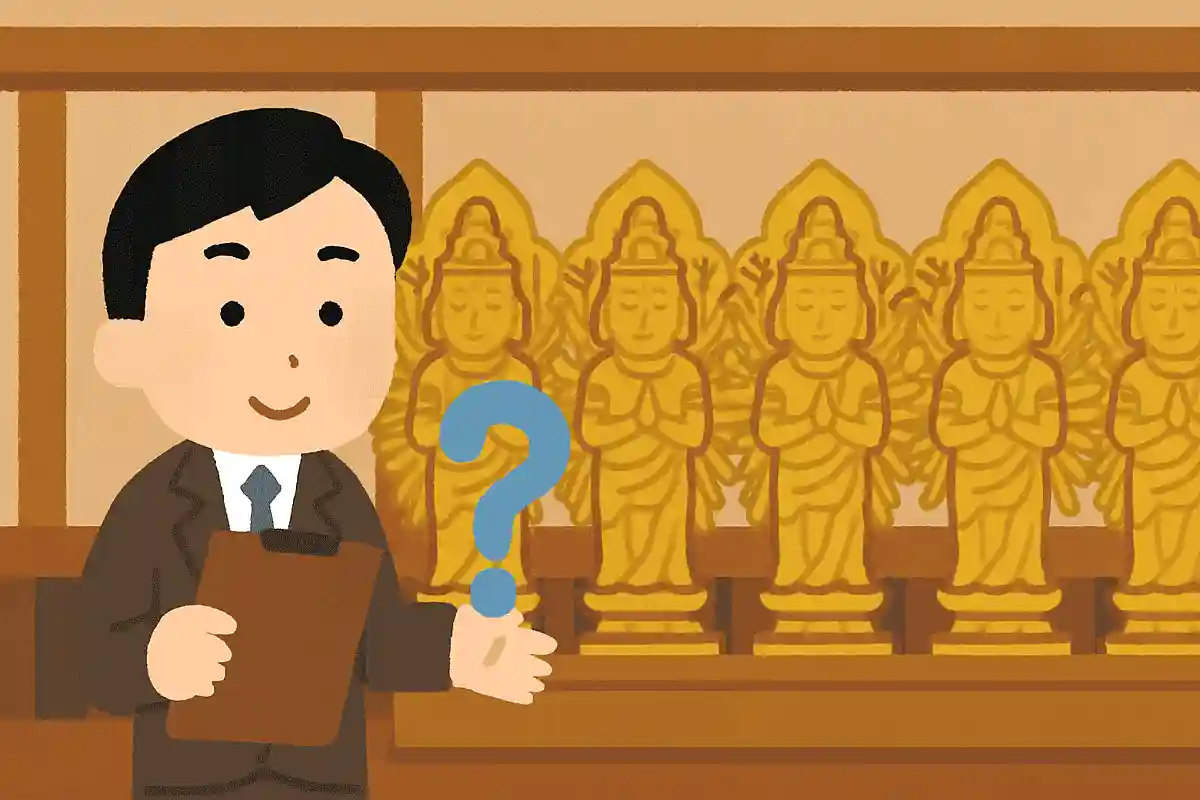
Trivia quiz about Sanjusangendo: a collection of questions to deepen your knowledge

Sanjusangen-do in Higashiyama, Kyoto, is a temple famous for its long hall and statues of the Thousand-Armed Kannon.
In addition to being a well-known tourist spot for its awe-inspiring Kannon statues and New Year’s annual events, you may also have learned about Sanjusangen-do in history class.
In this article, we’ll introduce fun trivia about Sanjusangen-do in a quiz format! If you come across any new facts, we hope you’ll remember them—doing so will let you enjoy your visit to Sanjusangen-do on a deeper level.
Now, let’s dive into the quiz!
Trivia quiz about Sanjūsangen-dō: A collection of questions to deepen your knowledge (1–10)
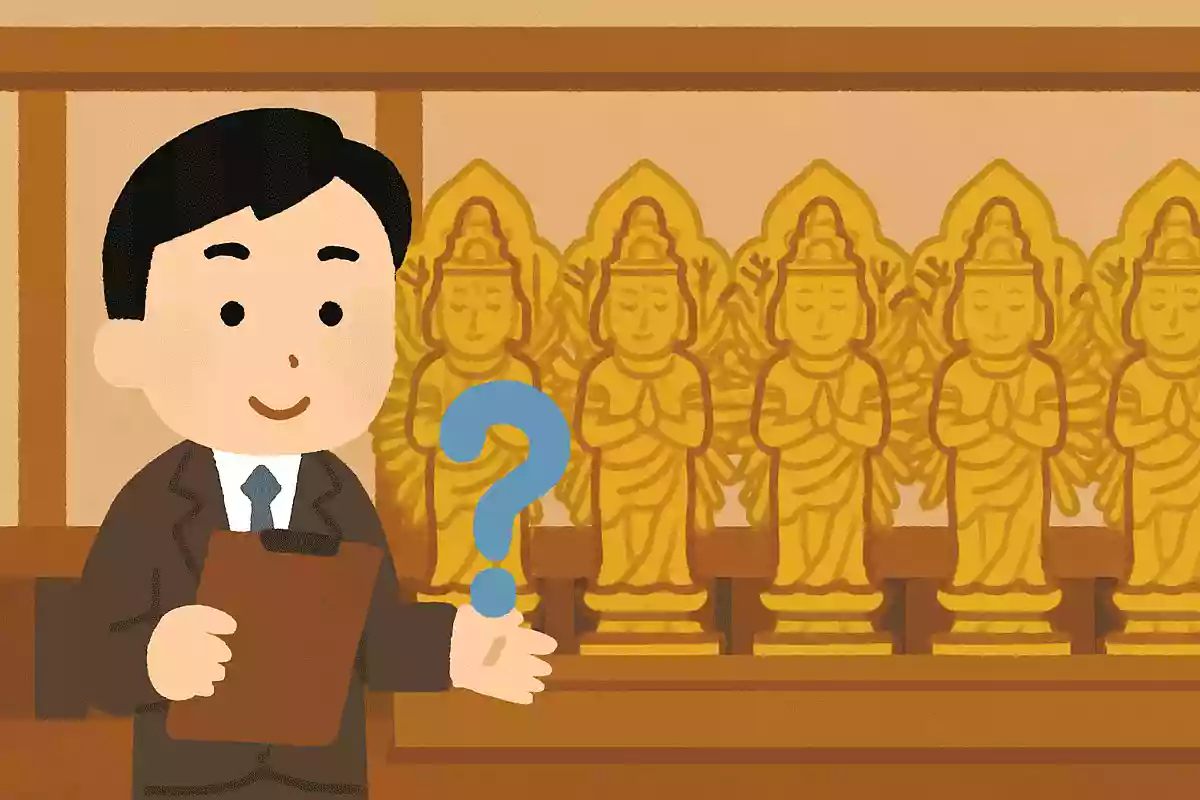
How many statues of the Thousand-Armed Kannon are enshrined in Sanjūsangen-dō?
- 33 bodies
- 100 bodies
- 1001 figures
See the answer
1001 figures
At Sanjūsangen-dō in Kyoto, a large central statue of the Thousand-Armed Kannon serves as the principal image, and on both sides stand 1,000 statues of the Thousand-Armed Kannon. In total there are 1,001 Kannon statues, and it is said that each one has a different face carved.

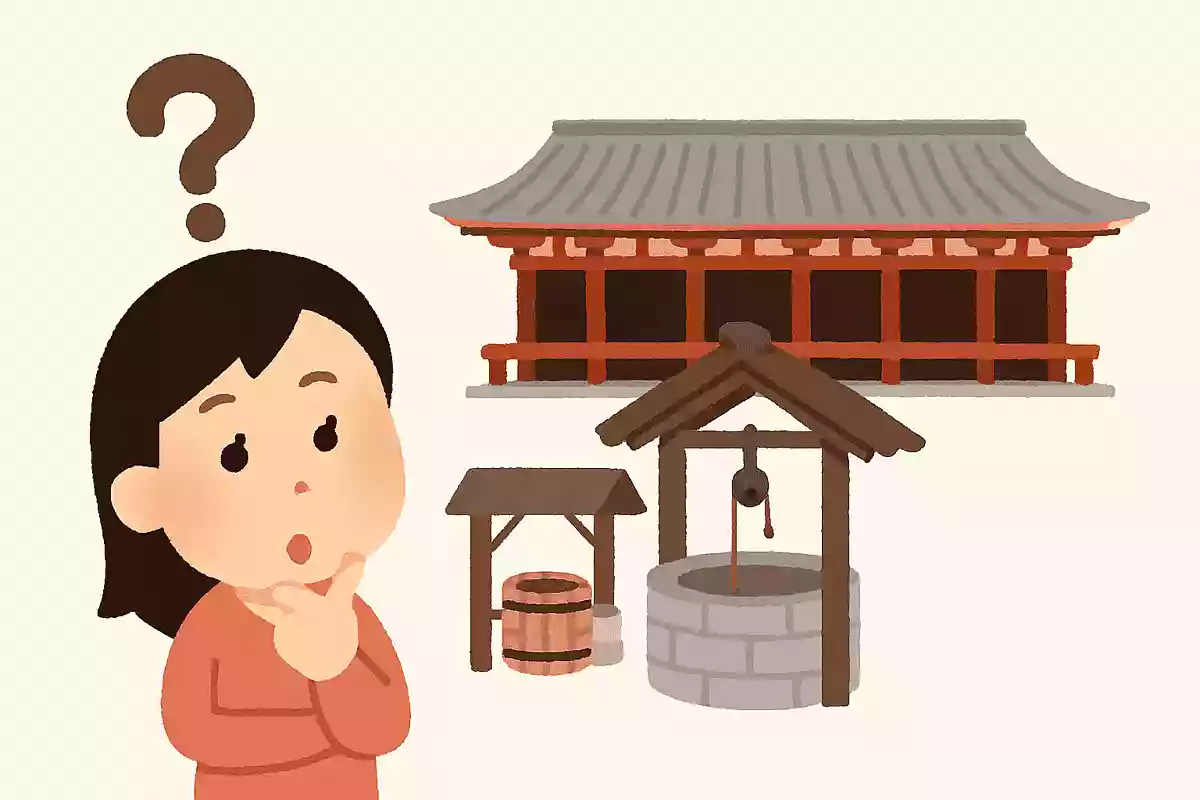
What kind of blessings is the well at Sanjūsangen-dō said to bestow?
- Fulfillment of love
- Prosperous business
- night-cry prevention
See the answer
night-cry prevention
This well is called the “Yonaki Spring,” and it is believed to help stop nighttime crying. It is said that placing the bib of the Jizo statue enshrined beside the Yonaki Spring under a child’s pillow is effective, and these bibs are available for purchase.
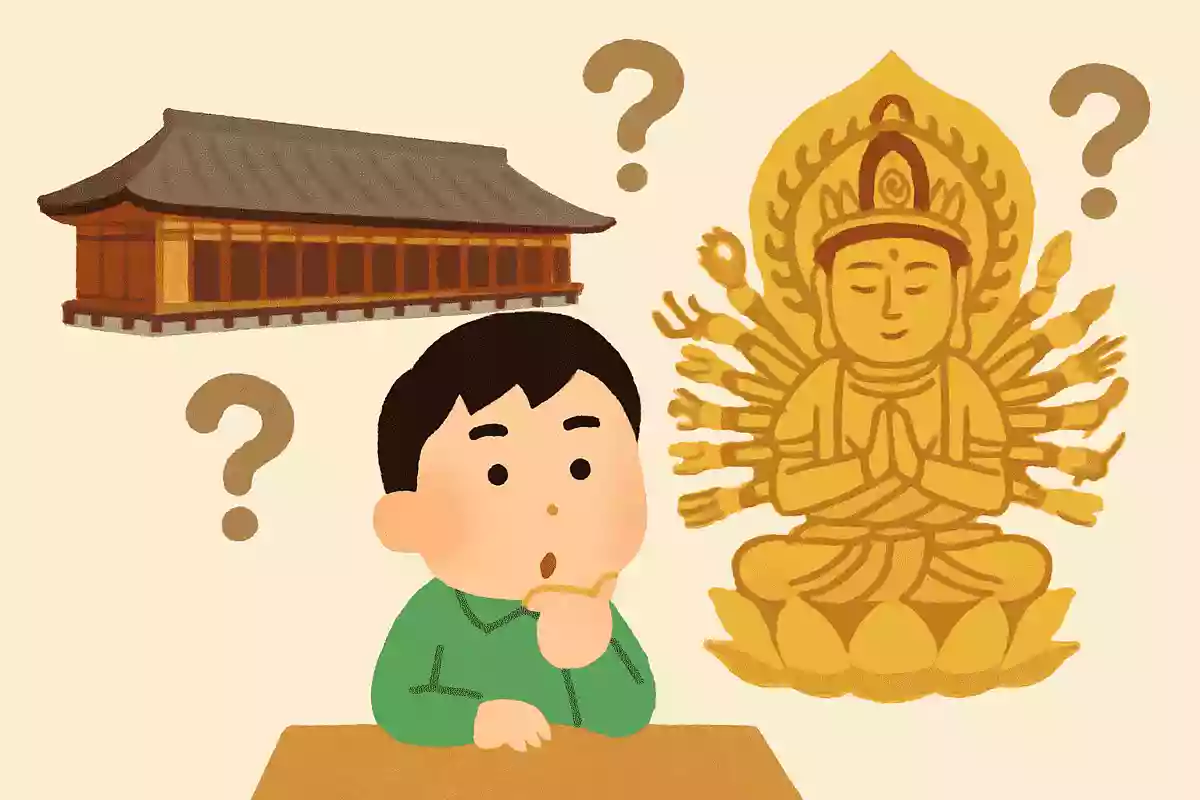
Sanjūsangen-dō is believed to grant benefits for curing a particular physical ailment—what is it?
- headache
- lower back pain
- a cold
See the answer
headache
At Sanjūsangen-dō, it is believed that there are blessings for curing headaches. This stems from an episode in which Emperor Retired Go-Shirakawa’s chronic headaches were cured after he followed a divine message he received during a pilgrimage to Kumano. Because of this, many visitors come to pray for the relief or healing of headaches.
What is the event that new adults and others hold every January at Sanjūsangen-dō?
- Tōshiya (archery through-shooting event)
- Yabusame (traditional Japanese horseback archery)
- Target shooting
See the answer
Tōshiya (archery through-shooting event)
Every January at Sanjūsangen-dō, an event called Tōshiya is held, where young people who have reached adulthood compete in archery skills. The rule is to shoot at a target about 60 meters away, and many visitors come to watch.
What is the formal name of Sanjūsangen-dō?

- Tōdai-ji Hokke-dō
- Hall of the Lotus King (Sanjūsangendō)
- Enryaku-ji Konpon Chudo
See the answer
Hall of the Lotus King (Sanjūsangendō)
The official name of Sanjūsangen-dō is “Rengeō-in Main Hall.” The main hall enshrines statues of the Thousand-Armed Kannon, each known for having a distinct facial expression.
What is the origin of the name Sanjūsangendō?
- Because the number of Buddhist statues lined up in the hall is 33
- Because the building measures thirty-three ken in the shakkanhō (traditional Japanese) system
- Because there are thirty-three spaces between the pillars of the main building.
See the answer
Because there are thirty-three spaces between the pillars of the main building.
The “thirty-three bays” in Sanjūsangen-dō does not refer to the length unit ken in the traditional shaku–kan system, but originates from calling the space between two pillars one ken. Incidentally, the entire Sanjūsangen-dō has thirty-five bays, but the name comes from the fact that the main hall where the Thousand-Armed Kannon statues are enshrined has thirty-three bays.
How many meters long is Sanjūsangen-dō?
- about 60 meters
- about 120 meters
- About 150 meters
See the answer
about 120 meters
Sanjūsangen-dō is well known for its long hall, which actually boasts a length of about 120 meters. Since one ken in the traditional shakkanhō system equals 1.82 meters, some assume from the name that it would be 1.82 × 33 = about 60 meters, but that is incorrect.