

![[Trivia] A quiz of fun facts about Horyu-ji. Multiple-choice questions (three options) about this historic structure.](https://media.ragnet.co.jp/img/1200__png__https://www.studiorag.com/files/2025/04/704d3fb32e4a74422a85b2e3ee790044.webp)
[Trivia] A quiz of fun facts about Horyu-ji. Multiple-choice questions (three options) about this historic structure.

Horyu-ji, designated as an Important Cultural Property of Japan, is a traditional Japanese structure.
As a Buddhist temple built in a classical architectural style, it has a long and profound history and is also inscribed as a UNESCO World Cultural Heritage site.
Many people may be interested in Horyu-ji, which both conveys the culture of the Asuka period and is beloved by the Japanese.
In this article, we would like to introduce a quiz that will deepen your knowledge and trivia about Horyu-ji.
Give it a try and pick up handy facts across a wide range of topics, from historical architecture to the cultural background of the time.
[Trivia] A quiz about Horyu-ji: multiple-choice questions (1–10) on this historic architectural site
How many mysteries is Horyu-ji said to have?

- three
- five
- seven
See the answer
seven
At Horyu-ji Temple, there are what are called the “Seven Mysteries of Horyu-ji.” The name arises from the fact that, even with modern research, several aspects—such as ancient techniques, architectural styles, and Buddhist art—remain unexplained. These mysteries further enhance the temple’s historical value.

When was Horyu-ji built?

- the year 594
- Year 607
- 710 AD
See the answer
Year 607
Horyu-ji Temple was founded in 607 by Prince Shotoku. Since then, for more than 1,500 years, it has preserved its beautiful appearance while overcoming various disasters. It is also known as one of the oldest wooden structures in the world.
How many stories does the five-storied pagoda at Horyu-ji have?
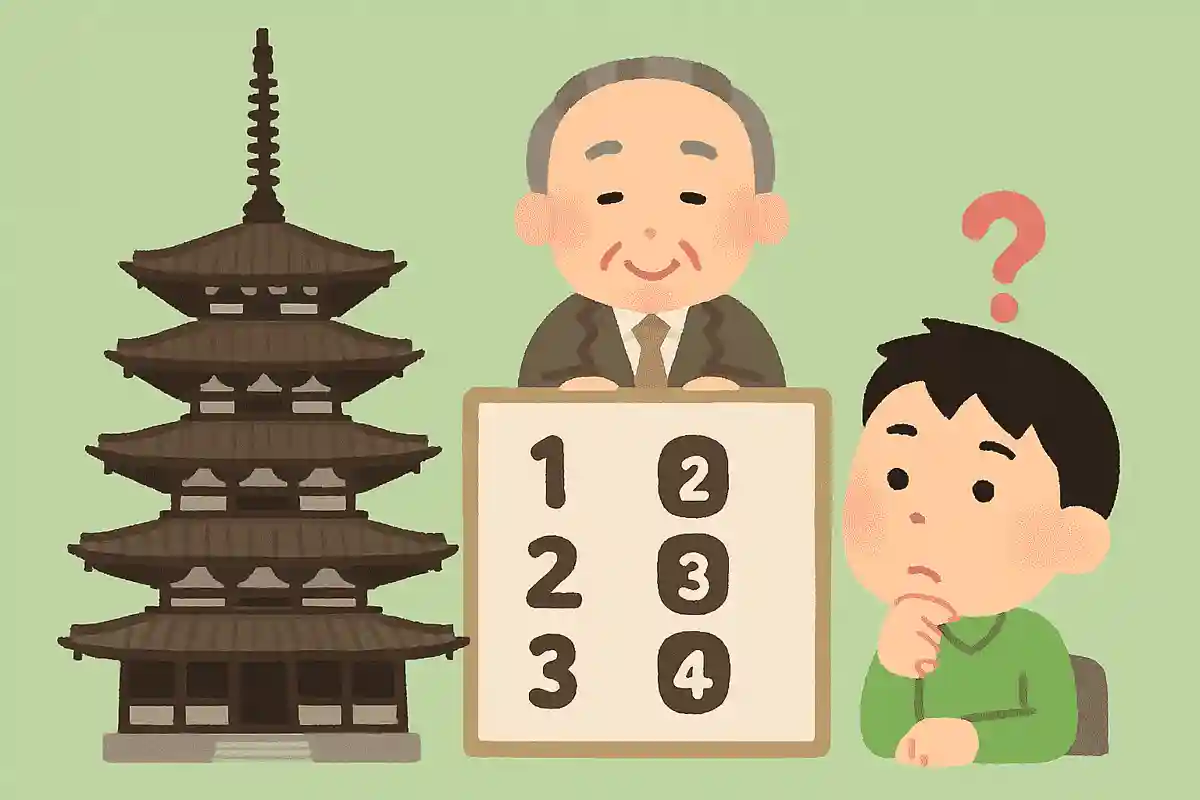
- single-story
- three-story
- five-story
See the answer
single-story
Horyu-ji’s five-storied pagoda is called a “five-story pagoda” because it appears to have five levels from the outside, but in fact the interior is a single story with no rooms on each tier. This structure is one of the characteristics of ancient Japanese architecture.
When was Horyu-ji Temple inscribed as a World Heritage site?
- 1988
- 1993
- 1998
See the answer
1993
Horyu-ji Temple was inscribed on the UNESCO World Heritage List in 1993. This inscription proved that Horyu-ji is a cultural property with historical value recognized worldwide.
What was the purpose of building Horyu-ji Temple?

- To pray for the peace and security of the nation
- For the recovery from Emperor Yōmei’s illness
- To make it the center of Buddhism
See the answer
For the recovery from Emperor Yōmei’s illness
Horyu-ji Temple was founded in 607. The purpose of establishing this temple was to pray for the recovery from illness of Emperor Yomei. Although Emperor Yomei passed away before its completion, it is said to have been built by Empress Suiko and Prince Shotoku.
How large is the precinct of Horyu-ji Temple?

- about 100,000 square meters
- approximately 187,000 square meters
- approximately 250,000 square meters
See the answer
approximately 187,000 square meters
The precincts of Horyu-ji are extremely vast, covering about 187,000 square meters. A temple with grounds of this size is rare, reflecting Horyu-ji’s historical significance and value as a cultural heritage site.
What material was Horyu-ji Temple built from?
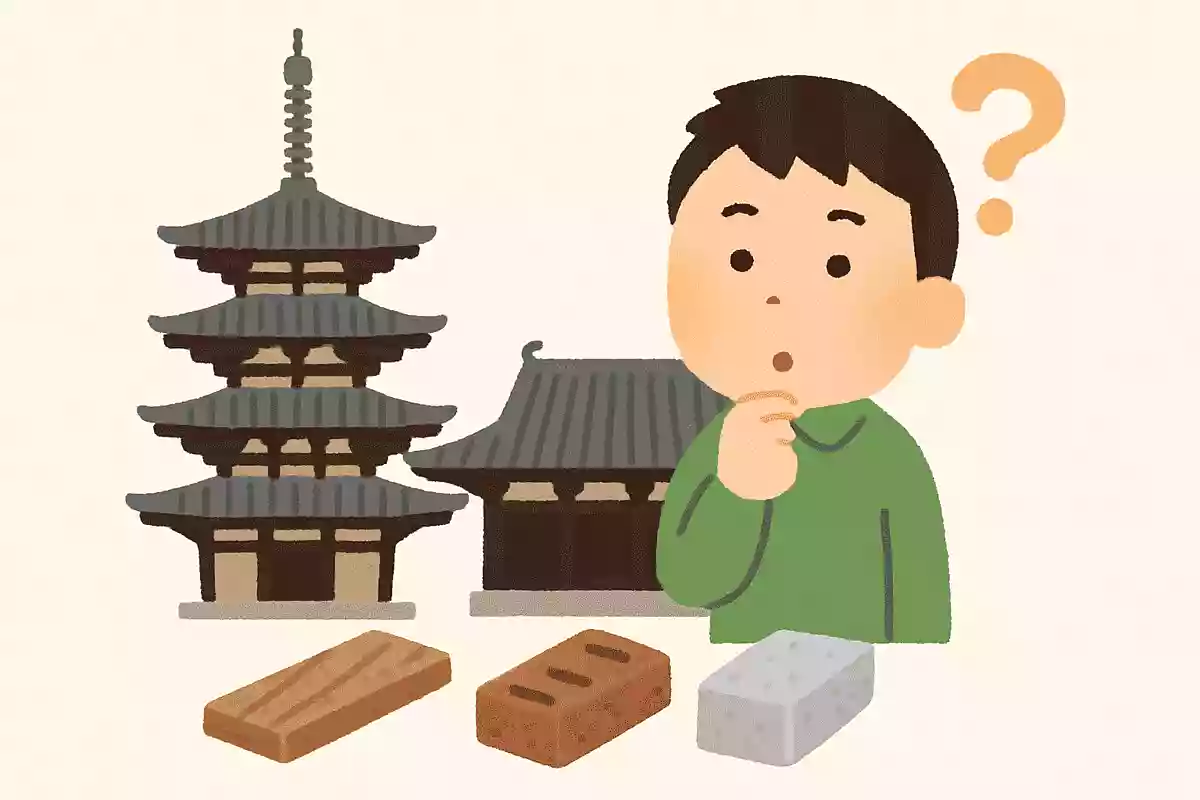
- Japanese cedar (sugi)
- Hinoki (Japanese cypress)
- Japanese zelkova
See the answer
Hinoki (Japanese cypress)
Horyu-ji is believed to have been constructed in the 7th century, primarily using Japanese cypress (hinoki). Hinoki is highly durable and has long been regarded as a very valuable wood for building materials.