

Okinawan folk songs, children’s songs, and nursery rhymes: the heart of our hometown passed down through song.
Doesn’t Okinawan music have a unique vibe that many people love?
In Okinawa, a distinct culture has been nurtured over a long period of time.
As a result, the unique resonance of the Ryukyuan scale combined with lyrics in the Okinawan dialect gives the music a charm unlike any other.
In this article, we’ll introduce plenty of folk songs and children’s songs that have been passed down from adults to children for generations in Okinawan music.
Listen to the songs we’re about to share, and carry on the spirit of Okinawa in song yourself.
Playlist
| Okinawan folk songs, children’s songs, and nursery rhymes: the heart of our hometown passed down through song. | |||
|---|---|---|---|
| show_chart | Title | Playlist | Review |
| 1 | Tinsagu FlowersKojya Misako |  play_arrow play_arrow | Okinawan moral lesson songs are used as departure melodies |
| 2 | Hello UncleKina Shoukichi | 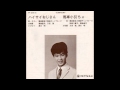 play_arrow play_arrow | Shoukichi Kina’s debut song from his high school days |
| 3 | Akata ShuridenNatsukawa Rimi |  play_arrow play_arrow | Departure melody at Shuri Station based on a traditional Okinawan hand-play song |
| 4 | Milk MunariHii de Katsu |  play_arrow play_arrow | A representative song of Okinawan traditional dance, Eisa |
| 5 | Tōfun Doirinken bando |  play_arrow play_arrow | A folk song from Okinawa that is danced during the old Bon Festival |
| 6 | Asadoya YuntaNēnēzu |  play_arrow play_arrow | A folk song depicting an exchange between a Taketomi Island beauty and a government official |
| 7 | AkamabushiŌshiro Shiban |  play_arrow play_arrow | A song celebrating the return of the king’s prized horse |
| 8 | Ittaa anmaa maa kaiga |  play_arrow play_arrow | Arrange an Okinawan traditional lullaby in a hardcore style |
| 9 | Festival of Celebrationotome tsubaki |  play_arrow play_arrow | “Iwai-bushi” is a song imbued with wishes for those suffering in this world. |
| 10 | sensory clauseNakasone Hajime |  play_arrow play_arrow | The Sensuru-bushi is a traditional performing art in which Okinawan folk songs are sung with dialect mixed in. |
| 11 | Naa-minaa-mi wanwacha-kuri |  play_arrow play_arrow | An Okinawan children's song where kids frolic with the waves by the seaside |
| 12 | Fūyubemā |  play_arrow play_arrow | A children’s song from Okinawa used for hand games that points to fingers in order |
| 13 | Kunigami JintōyōKadekaru Rinshō |  play_arrow play_arrow | Valuing one’s mindset in Yanbaru |
| 14 | HarikyamakUema Ayano |  play_arrow play_arrow | Harikuyamaku is an Okinawan folk song for dancing kachāshī. |
| 15 | Sea ChimbōrāNakasone Hajime |  play_arrow play_arrow | A folk song from Ie Island that changed in Naha |
| 16 | Ufumuraudun |  play_arrow play_arrow | An Okinawan lullaby. Soothe a crying child with scary lyrics. |
| 17 | the beautiful moonDaiku Tetsuhiro |  play_arrow play_arrow | The moon on the thirteenth night is the most beautiful. |
| 18 | tinglingInami Akito |  play_arrow play_arrow | An Okinawan folk song themed around fireflies |
| 19 | Bangamuri |  play_arrow play_arrow | Miyakojima’s lullaby “Bangamuri.” |
| 20 | Kana Yo-bushiTerukina Chōichi |  play_arrow play_arrow | Traditional lyrics in Okinawan Ryukyuan dance that call to a loved one |
| 21 | Uwaki-bushiKina Shouki & Kina Tetsuko |  play_arrow play_arrow | Comically expressing a wife's anger toward her cheating husband |
| 22 | Yuito of the WindHii de Katsu |  play_arrow play_arrow | Hidetaka Hiizuru is composing an Eisa song. |
| 23 | Yo, Kana yoOshiro Misako |  play_arrow play_arrow | A playground song sung at an outdoor poetry gathering in Okinawa |
| 24 | TubaramaKakihana Kenya |  play_arrow play_arrow | Tubarama is a representative song of Yaeyama folk music. |
| 25 | Ichubi measuresuizu asu |  play_arrow play_arrow | A poignant song of a woman who falls in love over strawberries |
| 26 | Song of the Gutlessyohen aiko |  play_arrow play_arrow | The shape of love that changes over time |
| 27 | NaakuniMasao Uehara & Masahiko Uehara |  play_arrow play_arrow | A challenging yet beloved classic that represents Okinawa |
| 28 | Yui-YuiYamakawa Mayumi |  play_arrow play_arrow | Depicting the spirit of mutual aid in Okinawa |
| 29 | Futami Love StoryKazumi Tamaki, Takeshi Yamauchi |  play_arrow play_arrow | A folk song created by Okinawa War evacuees in gratitude for the kindness of Futami |
| 30 | Tinsagu Flowers |  play_arrow play_arrow | An Okinawan folk song that engraves parents’ teachings in the heart |
| 31 | Surti East-sai |  play_arrow play_arrow | An Okinawan folk song that portrays a yearning toward the east |
| 32 | Tenyo-bushi |  play_arrow play_arrow | The Okinawan folk song Tenyo-bushi is a staple song for Eisa during Obon. |
| 33 | Asadoya Yunta |  play_arrow play_arrow | Asadoya Yunta is a traditional folk song of Okinawa. |
| 34 | Tinsagu FlowersNatsukawa Rimi |  play_arrow play_arrow | Rimi Natsukawa covers the Okinawan lesson song |
| 35 | Noboru JahanaKina Shoukichi |  play_arrow play_arrow | Noboru Jahana, leader of the Freedom and People’s Rights Movement in Okinawa |
| 36 | Flower ThoughtsHoriuchi Kanako |  play_arrow play_arrow | A journey to spread Okinawan folk songs to the world |
| 37 | The Pattern of LifeDaiku Tetsuhiro |  play_arrow play_arrow | Fusion of Yaeyama folk music and world music |
| 38 | Poem of the HeartWagōku Yoriko |  play_arrow play_arrow | A heartwarming folk song with the theme of love |
| 39 | Annual Events KudokiTeruya Rinsuke |  play_arrow play_arrow | A pop song for learning about Okinawa’s traditional events in a fun way |
| 40 | Nineteen SpringsTabata Yoshio |  play_arrow play_arrow | A youthful love song of Okinawan folk music |
| 41 | Kaze no DonanNishidomari Shigemasa |  play_arrow play_arrow | The low-resonating songs of Yonaguni Island |
| 42 | Ichubi measures |  play_arrow play_arrow | An Okinawan folk song about going to pick strawberries while thinking of the man she loves. |
| 43 | Katami-bushi |  play_arrow play_arrow | A celebratory song from Okinawan traditional folk music, sung at weddings and the like. |
| 44 | Tōfun Doi |  play_arrow play_arrow | Introduction to the Okinawan folk song 'Kachāshī Tōsundoi' |
| 45 | Umiya color |  play_arrow play_arrow | A romantic love song from Okinawan folk music |
| 46 | Flower windmill |  play_arrow play_arrow | An Okinawan folk song that expresses the rotation of a pinwheel |
| 47 | Bountiful Harvest Dance |  play_arrow play_arrow | The representative song of the Okinawan folk dance Kachāshī, Hōnen Ondo |
| 48 | play yardMaekawa Morikata |  play_arrow play_arrow | Introduction to signature songs by Okinawan folk singers |
| 49 | Chin-nuku jūshīFour Sisters |  play_arrow play_arrow | Singing about nostalgic family scenes of Okinawa |
| 50 | Mimura Danceari ari musume |  play_arrow play_arrow | A folk song praising the specialty products of Mimura |
| 51 | Tancha-mae Bushitinkutinku |  play_arrow play_arrow | A folk song depicting scenes of fishing in the Tancha region |
| 52 | Thank youMaekawa Morikata |  play_arrow play_arrow | Kanasandō sings of eternal love. |
| 53 | Ase-mizu FestivalOshiro Misako |  play_arrow play_arrow | Beloved as a rhythmic didactic song |
| 54 | Hiyamikachi-bushiNoborikawa Seijin |  play_arrow play_arrow | Hiyamikachi, an encouraging folk song of Okinawa |
| 55 | Seibumon-bushiChimei Sadao & Miyazato Yasuko |  play_arrow play_arrow | The entrance of the red-light district and the history of prostitutes |
| 56 | Nariyama AyaguMiwa Yonashiro |  play_arrow play_arrow | A Miyakojima folk song in which a wife gives a lesson to her husband |
| 57 | Flower windmillKuwae Tomoko | play_arrow | Kajimaya, a folk song beloved in Okinawa |
| 58 | Yaka BushiChimei Sadao |  play_arrow play_arrow | A war song from Okinawa originating in a prisoner-of-war facility |
| 59 | ShimochidoriMatsuda Kazutoshi |  play_arrow play_arrow | A sentimental song with a slow arrangement of Hamachidori |
| 60 | Suri East-bushi |  play_arrow play_arrow | Suri-higashi-bushi is an Okinawan folk song suited for Eisa |
| 61 | Kudaka Manju-shu |  play_arrow play_arrow | An Okinawan folk song that shifts from searching for a lover to begging for alcohol |
| 62 | Basho-fu (traditional Okinawan banana-fiber cloth)Ota Rumi & Inami Isamu |  play_arrow play_arrow | A Japanese folk song that captures the atmosphere of Okinawa |
| 63 | Women Workers’ DayWagōku Yoriko |  play_arrow play_arrow | A sad song of women who work, from Okinawa to the mainland |
| 64 | DanjukaruyushiTsunami Tsunenori |  play_arrow play_arrow | An Okinawan phrase praying for safe voyages |
| 65 | Nakazun Nagare |  play_arrow play_arrow | An energetic traditional song from Okinawan folk music |