
A classic song in the Okinawan dialect, Uchinaaguchi

We invite you into the world of songs in Uchināguchi, where the spirit of Okinawa lives on.
The dialect vocals, nestled against the gentle tones of the sanshin, evoke emerald-green seas, white sandy beaches, and even the salty breeze.
From BEGIN and HY to Kariyushi58, the many gemlike masterpieces crafted by artists Okinawa is proud of offer a one-of-a-kind musical experience where nostalgia and novelty blend together.
We’ll introduce you to many wonderful songs filled with Okinawa’s history and deep local love.
Sit back and enjoy a heartwarming moment—like setting off on a sonic journey around the islands of Okinawa.
- [Traditional Performing Arts of Okinawa] A special feature on classic Eisa songs that make you want to dance
- Okinawan folk songs, children’s songs, and nursery rhymes: the heart of our hometown passed down through song.
- From J-pop to folk songs! Popular and classic Okinawan tunes
- Popular Okinawan Songs Ranking [2026]
- [Tearjerker] Songs that make your heart tremble with tears & moving tracks with lyrics that touch the soul
- Popular Okinawan Songs: Artist Rankings [2026]
- [Unrequited Love] Heart-wrenching Love Songs | A Roundup of Tear-Inducing Crush and Breakup Tracks
- [Touching the Heart] Timeless Ballad Masterpieces. A Collection of Unfading Classics and the Latest Songs [2026]
- Get pumped with kids’ favorite songs! A memorable collection of classics that will make you want to sing along
- [Ryukyuan Music] Folk and Classical Music of the Ryukyu Islands
- A gentle song. A classic that calms the heart. A song that makes you feel kind.
- [Local Songs] Recommended tracks packed with Japan’s nationwide classics and hometown pride
- [I Want Healing] Songs That Bring a Sense of Calm: Heartwarming Masterpieces of Japanese Music
Okinawan dialect Uchinaaguchi classic songs (31–40)
Be Nankuru-kunBEGIN
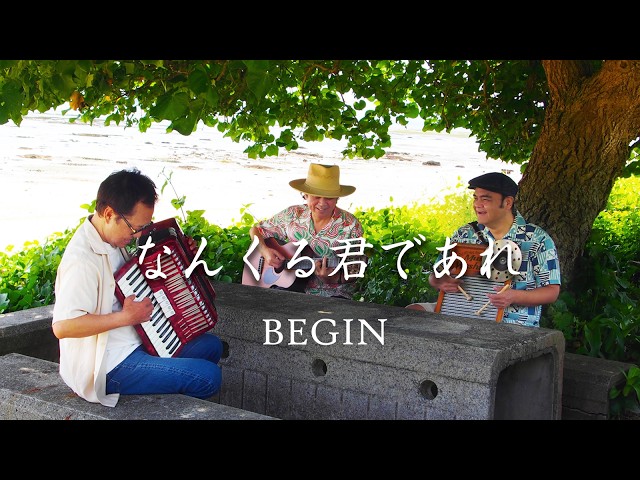
BEGIN captivates with a warm yet powerful sound that only three musicians from Ishigaki Island, Okinawa could create.
This piece, which closes their first masterful album in seven years, Taiyo (The Sun), is a song that deeply evokes the spirit of the island songs at their roots.
The Okinawan phrase “nankuru nai sa,” which carries the profound meaning, “If you keep doing the right thing without losing heart, a good day will come,” resonates gently through the melody.
Even as we are buffeted by the waves of life and bear the sorrow of losing what we hold dear, these lyrics softly encourage us to keep facing forward, warming the heart as they do.
When your heart feels a little tired, why not let yourself be wrapped in the kindness this song offers?
island silhouettetinkutinku

This is a song by Tink Tink, a female music duo from Okinawa.
Since their formation in 1999, they’ve gone through several lineup changes.
The lyrics, which describe Okinawa’s beautiful sea and sky and its vast natural landscapes, vividly evoke scenes in the mind.
I also hope you’ll listen to their gentle yet quietly strong vocals!
Ocean OKINAWAkiiyama shouten

This song stands out for its tropical, upbeat sound and comical lyrics.
It’s a track by the band Kiiyama Shoten and also the title track of their seventh album, released in 2018.
It gained attention when it was featured in a commercial for the airline Peach Aviation.
The lively vibe really gets your heart pumping.
All of their songs come highly recommended!

Kankara Sanshin UmushirumunBEGIN

Just hearing the cheerful sound of the sanshin makes your heart start to dance.
In the lyrics, the three strings are likened to a family—the father, the mother, and the children—humorously singing about them blending together in harmony.
You can almost feel the excitement of waiting for Okinawa’s summer Eisa festivals and even hear the sounds of a laid-back life; simply listening brings a smile to your face.
This piece is included on the classic album “Begin no Shimauta – Omoto Takeo 2,” released in July 2002, alongside songs like “Shimanchu nu Takara.” It’s perfect not only for lifting the spirits of the whole family, but also as an enjoyable first step for anyone who wants to start playing the sanshin.
Sugarcane fieldMoriyama Ryoko

It’s a very famous song.
Back then, “iron rain” referred to bomb-like munitions falling like missiles, and even if you fled into the sugarcane fields, there was no escape.
Despite such harsh conditions, the sugarcane fields were mercilessly rustling—zawawa—like a cold accompaniment.
It’s a heart-stirring piece that conjures up those scenes.
Classic Songs of the Okinawan Dialect (Uchinaaguchi) (41–50)
NO MORE CRYD-51

D-51 is the name of a train located in Yogi Park in Yogi, Naha, Okinawa.
This train is from the railway that existed before the war.
The tracks were lost during the war, and although there were plans to rebuild the railway, it was long said to be impossible in Okinawa due to the large number of unexploded ordnance.
Only recently has talk of restoring the railway resurfaced.
The song carries a strong message of “not crying.”
to be madly in love; head over heels in lovekariyushi 58

Let me introduce “Senbori, Banbori,” a lively and fun-sounding track.
This is a self-cover version of a song written by vocalist Shingo Maekawa specifically for Nenes.
The title is pronounced “senbori, banbori,” meaning “to be in love a thousandfold, ten-thousandfold.” The sound incorporates bird calls and choral parts, creating an everlasting-summer vibe.
If you’re looking for an uplifting love song, be sure to check it out.
