

A classic song celebrating Oita. The enduring spirit of our hometown [2026]

When you hear “Oita Prefecture,” what kind of image comes to mind?Many people might immediately think of it as the “onsen prefecture,” since it boasts the highest number of hot spring sources and the greatest volume of hot spring water in Japan, and is home to many nationally renowned hot spring resorts.In this article, we’ve selected and compiled local songs from Oita, as well as songs related to Oita by artists from the prefecture.You might even discover, “Oh, this song was connected to Oita?”Enjoy the read!
- A classic song celebrating Oita. The enduring spirit of our hometown [2026]
- A classic song about Kumamoto. The enduring spirit of our hometown passed down through song.
- A famous song about Fukuoka. The heart of the hometown passed down through song.
- Introducing famous songs about Shizuoka: Local anthems and popular tracks [2026]
- A classic song about Miyazaki. A song filled with feelings for one’s hometown [2026]
- [Local Songs] Recommended tracks packed with Japan’s nationwide classics and hometown pride
- A classic song that sings of Nagasaki: the enduring heart of our hometown
- [Songs of Kagoshima] The heart of our hometown carried on in song | A curated selection of classic tracks that embody Kagoshima
- Yuzo Kayama’s Most Popular Songs Ranking [2026]
- [2026] Masterpieces that sing of hot springs. Songs that make you want to go to a hot spring.
- [2026] Masterpieces themed on Ehime: from local songs to municipal anthems
- [2026] Classic songs themed on Kochi: A roundup of local songs and municipal anthems
- [2026] A Collection of Classic Enka and Kayōkyoku Songs About Nagasaki [Local Songs]
A classic song about Oita: The heart of our hometown passed down in song [2026] (1–10)
Port Town Love SongKawano Natsumi

This song by Natsumi Kawano, who hails from Tsukumi City in Oita Prefecture, portrays the bittersweet heart of a woman against the backdrop of her hometown port—her original landscape.
Place names such as the Bungo Channel appear in the lyrics, painting vivid scenes in the listener’s mind.
Kawano’s clear, resonant voice is like the sea breeze blowing through the port of Tsukumi.
As you listen, you may feel her warm love for her hometown conveyed deeply through the song.
If you’re from the same area as Kawano, be sure to give it a listen.
Strolling Trip around the Kunisaki PeninsulaSara Naomi
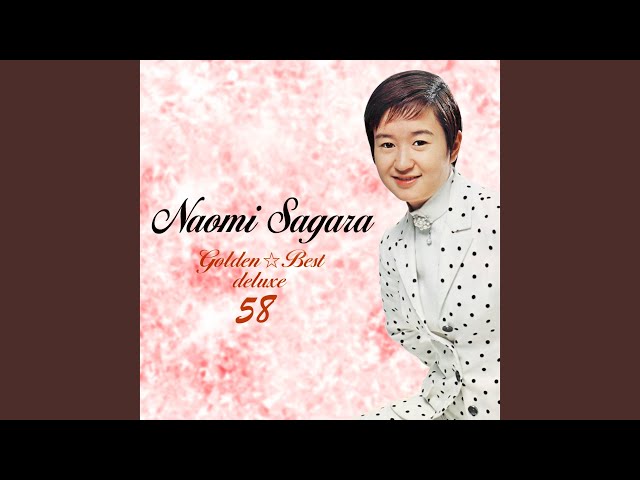
This is a song about the Kunisaki Peninsula, located in the northeastern part of Oita Prefecture and selected as one of Japan’s 100 hidden scenic spots.
It is one of the tracks included on Naomi Sagara’s 2010 best-of album, “Golden☆Best Deluxe.”
The world’s first spaceport has been decided for Oita Prefecture.aberiyou

Released by ABE Ryo in 2021, this song takes on the wildly imaginative theme of Oita Airport becoming the world’s first spaceport.
Set to an upbeat, comical sound, it delivers biting social satire—featuring energy-saving plans to launch rockets from passenger planes and a governor who “gushes about a 10-billion-yen economic boost.” At the same time, the skillful inclusion of real challenges—like flights being canceled due to an eruption of Mount Aso—really stands out.
With its unique take on the broad theme of regional revitalization, the song invites listeners to joyfully imagine Oita’s future.
Be sure to listen while reading the lyrics!
A classic song celebrating Oita. The enduring heart of our hometown [2026] (11–20)
Magical Oita Prefecture of Loveyukkii

This is a local anthem by Yukky that emerged from Flash animation in the early days of the internet.
Set to breezy idol pop, the song boldly weaves Oita Prefecture’s specialties and sightseeing spots into a tale of budding romance.
Its irresistibly catchy, earworm melody fuses perfectly with delightfully niche lyrics that will make locals crack a smile.
Though never officially released on CD, it became a cult favorite online—truly a hidden gem.
Give it a listen, and you might just find yourself drawn into Oita’s curious, magical charm.
Hometown ŌnoSakushi: Kudō Emiko / Sakkyoku: Hirao Masaaki
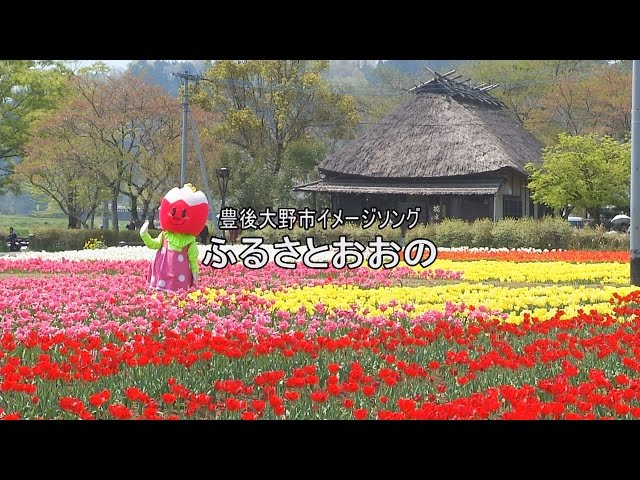
This song was created to gently accompany everyday life in Bungo-ōno City, Ōita Prefecture.
The lyrics were written by Emiko Kudō and the music composed by Masaaki Hirao, and every evening this gentle melody plays over the municipal disaster-prevention broadcast system.
Locals, of course, know it well, and some of you may have heard it during a visit to the city.
With the warm, nostalgic tone so characteristic of Hirao, the melody seems to paint in sound the grand nature and unhurried flow of time in Bungo-ōno.
Filled with deep affection for the region, this piece truly deserves to be called a “gift to one’s hometown”—a song that resonates in the heart.
Yufuin SentimentMitsuki Yuuji

Yuuji Mitsuki, a native of Oita City, poured his deep love for his hometown into this song, “Yufuin Ujō.” With the dramatic vocals honed at the Shiki Theatre Company, he beautifully captures the gentle, refined atmosphere of this famed hot spring town.
If you listen closely to the lyrics, scenes unique to Yufuin vividly arise in your mind—Lake Kinrin veiled in morning mist, the gentle sway of the horse-drawn carriages.
Though the song tells of the sorrow of parting, a warm sense of home quietly spreads beneath it all.
This piece is like a small story that bottles up the very air of Yufuin.
Play it as a companion on your journey, and the town’s scenery may feel all the more evocative.
Bungo Minato-machiKawano Natsumi
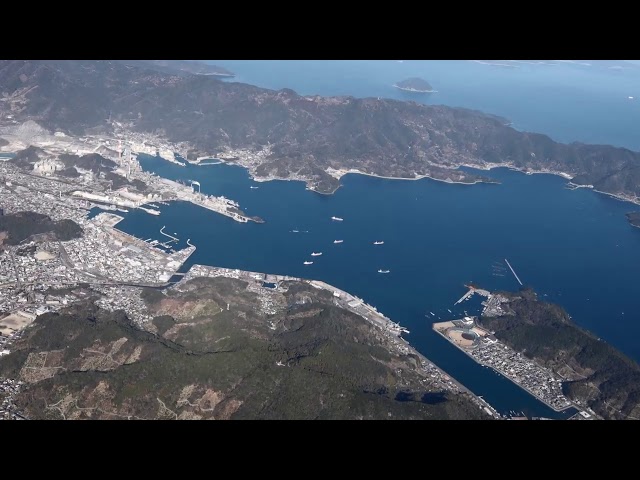
This song portrays the poignant feelings of a woman anxiously waiting at her hometown port for someone who has set off across distant seas.
The “Bungo” in the title is the old provincial name for what is now Oita Prefecture, and the singer, Natsumi Kawano, hails from Tsukumi City, which is known as a port town.
Perhaps her deep affection for her own hometown is woven into her voice.
The foreign imagery in the lyrics—such as the Southern Cross—only serves to highlight the loneliness of the port where the heroine waits, as well as her unwavering love.
Many listeners may find themselves empathizing with the longing for someone dear who is far away.
It’s an emotionally rich piece that vividly evokes the scenery of Oita’s ports.