

[Piano Piece] Enjoy Pachelbel’s Canon by Comparing Different Recordings — Jazz & Rock

Johann Pachelbel’s signature piece, commonly known by the title “Pachelbel’s Canon,” is Canon and Gigue in D major for three violins and basso continuo.
Although this work is often performed on the piano as a quintessential piece of the Baroque era, it’s actually beloved not only in arrangements faithful to the original, but also in a wide range of versions by various composers and performers.
In this article, we’ve gathered Canons with different vibes—classical, jazz, pop, rock, and more.
Be sure to listen and compare to find your favorite arrangement!
- Songs that use the Canon progression that I want to try playing on the piano
- [For Beginners] Play on the Piano! A Collection of Songs Using the Canon Progression
- It’s so cool if you can play these on the piano! A selection of irresistibly charming masterpieces.
- [Piano Variations] A comprehensive showcase of gem-like masterpieces crafted by great composers!
- Today's Piano: Masterpieces and Popular Pieces Woven with Delicate Tones
- Baroque Music on the Piano: A Curated Selection of Masterpieces Perfect for Recitals and Concerts
- Difficult Piano Pieces: From Classical to Jazz Piano
- Cool jazz piano: from classic favorites to hidden gems.
- Beginner to Intermediate: Recommended Bach Pieces You’ll Want to Play on Piano
- [J-POP] I want to listen to songs with impressive, beautiful piano tones! Recommended piano cover tracks
- [Piano Duet × J-POP] A showcase of insanely cool piano duet arrangements all at once
- [Classical] Famous Piano Works | Gem-like Masterpieces You’ll Want to Play at Least Once in Your Lifetime
- [Handel's Piano Pieces] A selection of famous works by the Baroque master
[Piano Pieces] Enjoy Pachelbel’s Canon by Listening Comparisons – Jazz & Rock – (1–10)
Canon (arr. Kenji Kane-masu)Johann Pachelbel

The Baroque-era master composer Johann Pachelbel’s Canon and Gigue in D major for three violins and basso continuo, commonly known as Pachelbel’s Canon, is a timeless masterpiece cherished across generations.
Kenji Kanaemasu’s arrangement captivates with melodies that are simple yet intricately interwoven and a crystal-clear tone.
Its gentle, joy-filled character purifies the listener’s heart.
Thanks to its simple structure, the possibilities for arrangement are virtually limitless—another key charm of this work.
Canon (arr. Nancy Faber)Johann Pachelbel

Johann Pachelbel, renowned as a master of German Baroque music.
His signature work, affectionately known as “Pachelbel’s Canon,” has been arranged across a variety of genres—from jazz to pop—and continues to captivate audiences worldwide.
This jazz-style arrangement by Nancy Faber builds on the classical masterpiece while giving it a contemporary, stylish sound, making it highly recommended for a wide range of listeners, from young people to adults.
Why not try playing this timeless classic yourself, a piece whose enduring beauty never fades?
Canon (arr. Thomas Andersen)Johann Pachelbel
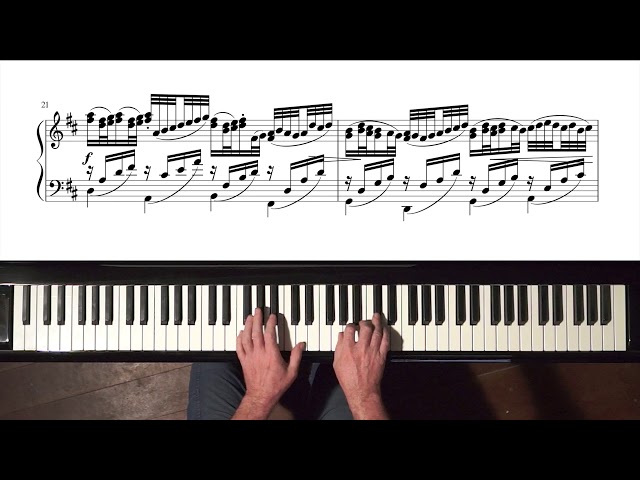
Johann Pachelbel, a master of Baroque music, left behind the timeless masterpiece Canon and Gigue in D major for three violins and basso continuo.
This version, arranged for solo piano by Thomas Anderson to appeal to modern audiences, captivates with its gentle, meditative melody and the beautiful harmonies created by the overlapping three-part lines.
While fostering an understanding of Baroque musical structure, this arrangement allows players to sense rich expression within its simplicity, making it highly recommended for all piano learners.
[Piano Pieces] Enjoy Pachelbel’s Canon by Comparing Different Versions — Jazz & Rock (11–20)
Canon (arr. Dietmar Steinhauer)Johann Pachelbel

Johann Pachelbel, a great composer of the German Baroque era.
His Canon is one of his signature pieces, and its soothing harmony—woven from a simple chord progression and a beautiful melody—continues to captivate countless listeners.
This arrangement is for solo piano and evokes the expansive expressiveness of an orchestra.
Sprinkled with pop elements, this version beautifully fuses old and new sounds, making it highly recommended for a wide range of listeners—from classical music beginners to seasoned veterans.
Canon (arr. Lee Galloway)Johann Pachelbel
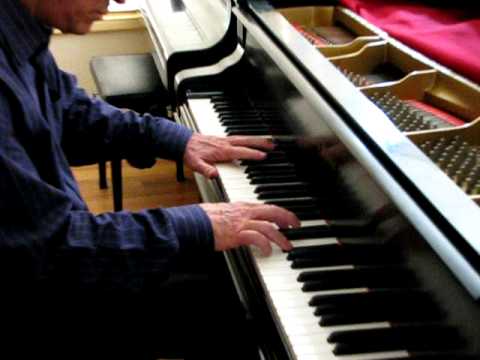
A masterpiece by the Baroque-era master Johann Pachelbel, affectionately known as “Pachelbel’s Canon.” The greatest charm of this piece lies in its gentle, beautiful shifts in harmony.
While simple in structure, it fully preserves the original’s power to bring peace to the listener’s heart, and this arrangement—making the most of that appeal—is highly regarded by many pianists.
Perform it at a piano recital and it’s sure to captivate the audience! It’s an arrangement we also recommend to teachers looking for the perfect recital piece.
Canon (arr. Mike Strickland)Johann Pachelbel

Johann Pachelbel is one of the representative composers of the Baroque era.
He was also renowned as an organist and left behind many works of church music.
Canon is Pachelbel’s signature piece, characterized by a simple yet beautifully refined melody.
Mike Strickland’s arrangement adds a modern, emotional resonance without diminishing the beauty of the original.
The repeated phrases gradually build in intensity, stirring the listener’s heart.
While the gentle tone brings a sense of calm, there is also a touch of poignancy.
This superb arrangement is recommended for a wide audience—from classical music newcomers to seasoned listeners.
Canon (arr. Tom Donald)Johann Pachelbel

Canon and Gigue in D major for Three Violins and Basso Continuo is known as a representative work by Johann Pachelbel, a master of German Baroque music.
This arrangement is a bold version by Tom Donald that incorporates elements of jazz and gospel.
It further develops the original’s distinctive layered harmonies and progressions, ambitiously seeking dialogue with a variety of contemporary musical styles.
Gentle yet brimming with joy, the music transcends the boundaries of classical and is sure to resonate with a wider audience.
In conclusion
We’ve introduced various takes on Pachelbel’s Canon—like a cheerful pop-style canon, a sophisticated jazz-style canon, and a high-energy rock-style canon. You can enjoy comparing the different versions, or try imitating them and have fun arranging and performing! Instead of being bound by the fixed idea that “Pachelbel’s Canon is a Baroque piece,” why not enjoy it freely?