

Masterpiece Rhapsodies: A Curated Selection of Brilliant Rhapsodies That Illuminate Classical Music History

“Rhapsody” is one of the musical genres rendered in Japanese as “kyōshikyoku” (literally, “rhapsodic poem”), characterized by a free form that expresses ethnic or lyrical content.
Composers whose names are etched in history—such as Johannes Brahms, Franz Liszt, and George Gershwin—have each left behind rhapsodies that embody their own unique worlds.
In this article, we have carefully selected and will introduce masterpieces among such rhapsodies that remain especially popular today and are frequently programmed in concerts.
- Brahms's masterpieces. Popular classical music.
- A masterpiece by Jean-Philippe Rameau. Popular classical music.
- Cool classical masterpieces. Recommended classical music.
- Dvořák’s masterpiece. Popular classical music.
- A masterpiece by Franz Liszt. Popular classical music.
- Classical masterpieces. Recommended classical music.
- [Masterpiece Classics] A special showcase of gem-like masterpieces so beautiful they’ll move you to tears
- [Classical Music] A carefully curated selection of masterpieces born in the pivotal era that bridged the Baroque and Romantic periods
- Masterpieces of the Romantic Era: A sweeping introduction to soul-stirring, celebrated gems!
- Classical Masterpieces: Recommended Works You Should Hear at Least Once
- [Orchestra] Introducing famous and popular pieces
- Masterpieces of the bolero. Recommended popular pieces in bolero form and outstanding performances.
- Timelessly beautiful classical masterpieces. Recommended classical music.
[Masterpiece Rhapsodies] A curated selection of brilliant rhapsodies that adorn the history of classical music (1–10)
Rhapsody for Alto SaxophoneAndré Waignein

The Belgian composer André Waignein was a true magician of music.
His works are free-spirited and vibrant, and the more than 600 pieces he created have been highly acclaimed both at home and abroad.
Among them, the Rhapsody for Alto Saxophone is particularly popular, frequently performed at competitions and concerts.
It is a stunning piece that fully brings out the saxophone’s allure, marked by a striking interplay between the soloist and the orchestra.
It is a masterpiece of contemporary wind music that every music lover drawn to rich tonal colors should hear—not only saxophonists who possess both technique and sensitivity.
Three Slavonic Rhapsodies, Op. 45, B. 86Antonín Dvořák

Three Slavonic Rhapsodies, Op.
45, B.
86, by the Czech composer Antonín Dvořák.
From an early age, Dvořák displayed musical talent and became a pivotal figure in bringing Czech national music to the world.
Composed in 1878, this work consists of three rhapsodies that, while each depicting scenes with different folk temperaments, achieve a strikingly contrasting balance as a whole.
The first rhapsody has a pastoral atmosphere, the second adopts a dramatic tone, and the third expresses the joy of life, all showcasing Dvořák’s distinctive musical language.
It is recommended both for first-time listeners of his music and for those seeking a deeper understanding of classical music.
Rhapsody on a Theme of Paganini, Op. 43Sergei Rachmaninov

Rhapsody on a Theme of Paganini, Op.
43, by the great master of the Russian Romantic era Sergei Rachmaninoff, is a work for piano and orchestra based on the final piece of 19th-century legendary violinist Niccolò Paganini’s 24 Caprices.
Its sequence of 24 varied variations—by turns passionate, virtuosic, and at times even humorous—never fails to captivate the listener.
Among them, the most famous is Variation 18, notable for its beautiful melody.
Gentle yet somehow imbued with a romantic aura, it leaves a lasting impression.
This work distills Rachmaninoff’s creativity and transcendental technique, and can truly be called one of his signature masterpieces.
Masterpiece Rhapsodies: A curated selection of dazzling rhapsodies that color the history of classical music (11–20)
Norwegian RhapsodyÉdouard Lalo
Édouard Lalo, one of France’s foremost composers, left works across a wide range of genres throughout his life.
In particular, his chamber and orchestral music showcases his uniquely dramatic expressiveness.
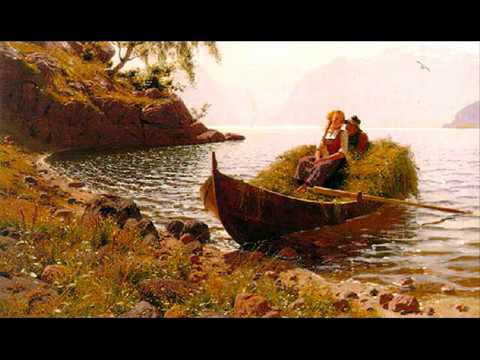
Composed in 1879, the Norwegian Rhapsody is intriguing in that it draws inspiration from Norwegian folk songs.
Based on a suite for violin and orchestra written the previous year, it was further refined into a full orchestral work.
Evoking the grandeur of Norway’s natural landscapes, this captivating piece is recommended not only for those interested in classical music, but also for anyone who wants to savor the rich variety of orchestral color.
Rhapsody for OrchestraToyama Yuzo

Rhapsody for Orchestra, a shining gem in the history of classical music.
Composed in 1960 by Yuzo Toyama, the piece is interwoven with a host of folk songs every Japanese person knows, creating a singular sound world.
With effective use of percussion such as taiko drums and chanchiki, it unfolds brilliantly in a three-part fast–slow–fast form, all within a brief seven minutes.
Reviving ancient Japanese melodies for the modern era, this work is a masterpiece that deserves to be heard not only by classical music fans but also by wind band enthusiasts.
Rhapsody No. 1 for Violin and Piano, Sz. 86Bartók Béla

Rhapsody No.
1 for Violin and Piano, Sz.
86, by Béla Bartók—renowned Hungarian classical composer, pianist, and ethnomusicologist—was composed in 1928.
Dedicated to a Hungarian violinist, this virtuosic work is performed in various scorings, including violin and piano, cello and piano, and violin with orchestra.
Throughout the piece, traditional Hungarian csárdás rhythms are employed, making it a highly recommended choice for those interested in music rich in folk color or for listeners seeking something with a distinctive atmosphere.
Auvergne Rhapsody in C major, Op. 73Camille Saint-Saëns
Camille Saint-Saëns was a French composer active from the 19th to the 20th century.
From an early age he demonstrated musical talent and gained renown as a brilliant pianist and organist.
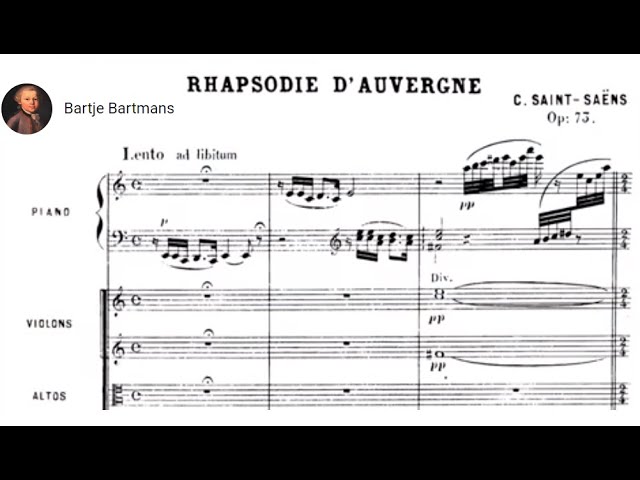
The Rhapsodie d’Auvergne in C major, Op.
73, is a work for piano and orchestra that he composed in 1884.
Based on a melody sung by a laundress and pastoral calls he heard in the mountainous Auvergne region, and written in a free form influenced by Liszt’s Hungarian Rhapsodies, the piece vividly evokes picturesque scenes with striking color.
It is a work truly worthy of the name “rhapsody,” where the dazzling sonorities of the piano merge with the opulent sound of the orchestra.