


Masterpieces of the Romantic Era: A sweeping introduction to soul-stirring, celebrated gems!

The new musical trend that spread across Europe in the 19th century, known as the Romantic movement.
Often called “the most dazzling era in the history of classical music,” the Romantic era saw many composers—foremost among them Chopin and Liszt—leave behind a wealth of masterpieces that have been celebrated for generations.
In this article, we highlight some of the most famous works from the Romantic era, particularly those with high recognition and popularity.
We introduce them alongside insights into each composer’s characteristics, the background in which the pieces were created, and key points to listen for in the works.
Masterpieces of the Romantic Era: A Showcase of Soul-Stirring Gems (Nos. 1–10)
Liebesträume No. 3Franz Liszt
Liebesträume No.
3, composed by the piano magician Franz Liszt as a song in 1845 and arranged for solo piano in 1850.
It is said that this piece, themed around profound love, strongly reflects Liszt’s own romantic experiences.
From its romantic sonorities and dramatic surges, one can sense the passionate nature of Liszt’s love.
Listening to this piece in the stillness of midnight while gazing at the stars may help you forget the bustle of everyday life and find peace for the soul.
Wedding March from the opera “A Midsummer Night’s Dream”Felix Mendelssohn

One of the most famous numbers from the incidental music to A Midsummer Night’s Dream.
Based on the overture that the leading Romantic composer Felix Mendelssohn first wrote at the age of 17, it was completed in 1842.
While adopting a classical sonata form, it vividly depicts a fantastical world in music, expressing, for example, the fairies’ light movements and the braying of a donkey.
It became widely known after being performed at the wedding of a Prussian prince and an English princess, and today it is cherished as a wedding standard.
Its grand, romantic atmosphere makes it perfect for celebrating life’s new beginnings.
As one of Mendelssohn’s signature works, it is also highly recommended as an introduction to classical music.
Hungarian Dance No. 5 in F-sharp minorJohannes Brahms

Johannes Brahms, a composer who epitomizes the German Romantic movement.
One of his signature works, the Hungarian Dances, is a collection of 21 dances composed on the basis of traditional Hungarian folk songs.
Among them, No.
5 is especially renowned for its fast tempo and striking melody, sweeping listeners into a whirlwind of excitement and exhilaration.
Its rich orchestration and vivid coloristic flair pay homage to the cultural richness and diversity of Hungary.
It’s a piece I would recommend not only to classical music lovers but to anyone seeking passionate music.
Prelude from the opera ‘Die Meistersinger von Nürnberg’Richard Wagner

Richard Wagner composed many operas based on myths and legends, but The Mastersingers of Nuremberg is unusual in that it features a real historical figure—the Meistersinger Hans Sachs—as its protagonist, and it is known as Wagner’s only comedy.
The opera centers on a singing contest in which the winner is granted the right to propose to Eva.
Walter, who is in love with Eva, is granted the right to sing at the contest, wins splendidly, and he and Eva are united.
The prelude is bright and propulsive, symbolizing an opera that unfolds as a lively, energetic human drama.

Introduction from the symphonic poem “Also sprach Zarathustra”Richard Strauss
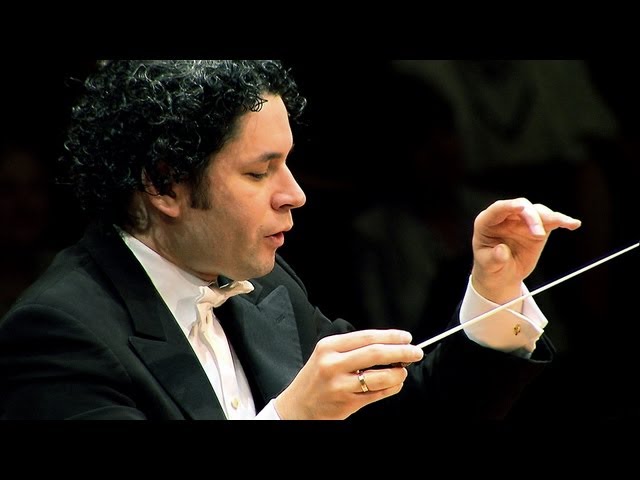
You often hear the phrase on TV shows and commercials, but there may not be many people who know the title of the piece: Also sprach Zarathustra.
It was written by Richard Strauss, one of the most famous German composers around 1900.
The piece is a musical expression of the renowned prose poem by the philosopher and poet Nietzsche.
In the introduction, the scene where one morning Zarathustra awakens with the dawn and addresses the sun with gratitude is vividly recreated through masterful orchestration.
Radetzky March, Op. 228Johann Strauss I

This piece is a march composed by Johann Strauss I, written during the Revolutions of 1848 to honor General Josef Radetzky, who suppressed the independence movement in northern Italy, then part of the Austrian Empire.
It is one of the most popular works in classical music and is well loved as a standard encore at orchestral concerts.
Many of you have probably seen audiences clapping along to the music.

Erlkönig, Op. 1, D 328Franz Schubert

Composer Franz Schubert, active from the late 18th to the early 19th century, is known for his songs such as Winterreise and Die schöne Müllerin, and his song Erlkönig, Op.
1, D 328—composed when he was 18—is also counted among his major works.
Based on Goethe’s poem of the same name, it depicts a father riding through a nocturnal forest with his ailing son.
Its original melodies and rapid repeated octaves vividly convey the gallop of the horse and the emotions of each character, demanding advanced technique from the singer, who must portray four roles.
Listeners can vicariously experience the child’s terror and the father’s desperate struggle.