

Masterpieces of the Romantic Era: A sweeping introduction to soul-stirring, celebrated gems!

The new musical trend that spread across Europe in the 19th century, known as the Romantic movement.
Often called “the most dazzling era in the history of classical music,” the Romantic era saw many composers—foremost among them Chopin and Liszt—leave behind a wealth of masterpieces that have been celebrated for generations.
In this article, we highlight some of the most famous works from the Romantic era, particularly those with high recognition and popularity.
We introduce them alongside insights into each composer’s characteristics, the background in which the pieces were created, and key points to listen for in the works.
- [Masterpiece Classics] A special showcase of gem-like masterpieces so beautiful they’ll move you to tears
- Romantic Piano Pieces: A Curated Selection of Popular and Classic Works for Recitals and Concerts
- [Classical Music] A carefully curated selection of masterpieces born in the pivotal era that bridged the Baroque and Romantic periods
- Brahms's masterpieces. Popular classical music.
- [Impressionist Music] A Selection of Classical Works That Evoke the Japanese Spirit
- Masterpieces of classical piano that are too beautiful for words. A gathering of delicate tones that cleanse the soul.
- Masterpieces of the Romantic Era: A sweeping introduction to soul-stirring, celebrated gems!
- Robert Schumann | Introduction to his famous and representative works
- Cool classical masterpieces. Recommended classical music.
- A masterpiece by Franz Liszt. Popular classical music.
- Classical masterpieces. Recommended classical music.
- A masterpiece by Franck. Popular classical music.
- Masterpiece Rhapsodies: A Curated Selection of Brilliant Rhapsodies That Illuminate Classical Music History
Masterpieces of the Romantic Era: A Sweeping Introduction to Soul-Stirring Gems (11–20)
Overture to the opera “Der Freischütz,” Op. 77, J. 277Carl Maria von Weber
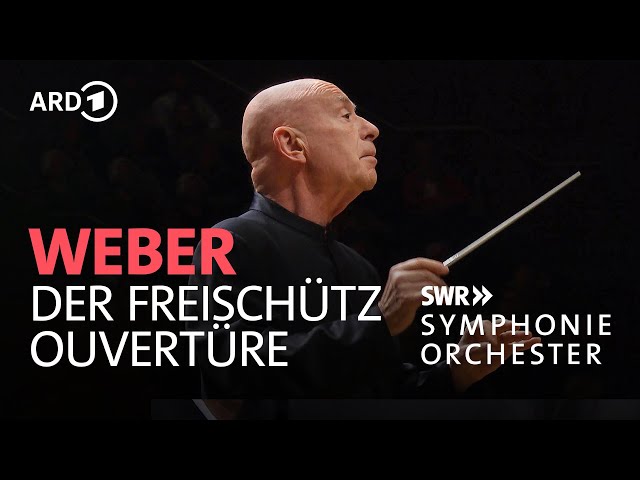
Carl Maria von Weber, a composer who epitomizes the early Romantic era in music.
His opera Der Freischütz is a monumental work that helped establish the German Romantic opera.
This overture is a dramatic piece that distills the essence of the entire opera.
The scene in the “Wolf’s Glen,” colored by otherworldly music, is breathtaking, delving into the heart of a story that depicts the conflict between good and evil.
With vivid orchestration and memorable melodies that fire the listener’s imagination, this masterpiece is a must-hear for classical music fans.
String Quartet No. 2, Movement 1Alexander Borodin

Known as a masterpiece brimming with lyrical beauty, this string quartet captivates with its sweet, lovestruck melodies and delicate fragility.
Highlights include the theme that begins in the cello and passes to the first violin, as well as the lively interplay among the instruments.
It is also a highly rewarding piece for performers.
Begun in July 1881 and completed by September—a remarkably swift pace—the work overflows with a warm resonance filled with love.
It is an ideal choice for those who wish to savor beautiful melodies and rich expressiveness.
Prelude, Op. 45 in C-sharp minorFrederic Chopin

This piece is by Frédéric Chopin, a composer who stands alongside Franz Liszt and Robert Schumann as a leading figure of the Romantic era.
Though only about 40 measures long, it shines with Chopin’s characteristic delicate harmonies and masterful modulations.
With an elegant, nocturne-like atmosphere, it has a dreamlike resonance.
Completed in 1841, the work drew particular attention for the sophistication of its key changes.
Chopin himself is said to have remarked, “Never before have my modulations gone so well.” It’s a highly recommended piece not only for piano students but also for anyone looking to become more familiar with classical music.
Like a melodyJohannes Brahms

This work, set to a poem by Klaus Groth, a friend of Johannes Brahms, is characterized by a warmly embracing quality.
The wide intervals within the phrases and skillful modulations lend the piece delicacy and depth.
Its melody, deeply intertwined with the poem’s content, conveys an attempt to express emotions and thoughts beyond words through the power of music.
Beginning with broad, arpeggiated progressions and unfolding into long-breathed, beautiful melodic lines, this piece is recommended for those who wish to explore the deepest emotions of the heart through music.
Composed in 1886 and published in 1888, this song, written when Brahms was 53, has continued to be cherished by many performers and audiences.
Twelve Etudes in All Minor Keys No. 2 in D minor, in a Morossian rhythmCharles Valentin Alkan

This is a solo piano piece distinguished by a powerful triple-meter rhythm.
Its weighty, chordal sonorities—crafted with an ear to the metrical patterns of ancient Greek poetry—evoke an orchestral grandeur.
Published in 1857, the work spans about 8 minutes and 30 seconds, offering a captivating showcase for the piano’s expressive range.
For those who have practiced diligently, it’s a piece that allows you to demonstrate your full abilities.
With its massive chords and dynamic development, it’s highly effective in performance and sure to captivate listeners.
An excellent choice for performers seeking an impactful recital piece or aiming for a rich, orchestral-like resonance on the piano.
“Grandes études de Paganini,” No. 6: “Theme and Variations”Franz Liszt

A masterpiece that fuses a graceful, dignified melody with dazzling piano virtuosity.
It brilliantly arranges Paganini’s violin piece for piano and was released to the world in a revised edition in 1851.
Preserving the elegance of the original while fully drawing out the piano’s unique expressive power, it weaves a magical sound that captivates listeners.
With exquisitely crossed hands, flowing chains of arpeggios, and a seamless execution that belies its technical demands, the performance embodies musical artistry.
Though the playing time is a relatively brief two minutes, this work combines rich musicality with advanced technique, offering a quintessential taste of pianistic delight.
It is an ideal piece for those who wish to command the stage or challenge the possibilities of the piano.
Masterpieces of the Romantic Era: A sweeping introduction to soul-stirring gems of famous works (21–30)
Piano Sonata No. 21 in B-flat major, D 960 — Movement III: Allegro vivace con delicatezzaFranz Schubert

A masterpiece whose jewel-like melodies set the heart free.
Completed in September 1828, this work is especially captivating in its third movement, where a light touch is paired with delicate structural nuance.
An eight-bar theme is developed with finesse, and through successive modulations the music moves from a bright B-flat major to its parallel key, B-flat minor, leaving a striking impression of richly colored emotion.
The shading of the melody—born of its distinctive rhythmic pulse and harmonic progressions—deeply moves the listener.
Throughout, Franz Schubert’s inventive modulation techniques and masterful handling of rhythm shine.
This piece is highly recommended for those seeking the deeper flavors of classical music, and for anyone captivated by the structural beauty of piano repertoire.