

[Piano Etudes] Recommended for Beginners! A Curated Selection of Easy, Playable Pieces

A vast number of beginner-friendly piano scores line the shelves of music stores and online shops.
“I want to start playing the piano, but where on earth should I begin?” Many people have this question and find it hard to take the first step.
In this article, we introduce recommended practice pieces for those who have just started learning the piano.
We’ve carefully selected easy, accessible pieces from a wide range of genres—perfect for complete beginners or those returning to the piano.
If you’re about to start practicing the piano, this is a must-read!
- [Beginner] Start Here: Classic Practice Pieces Recommended for Adult Piano Beginners
- Even beginners can play them easily on the piano! A curated selection of popular and latest J-POP songs.
- [Free Piano Sheet Music] Beginner-Friendly! Carefully Selected Pieces Available for Immediate Download
- Recommended for piano beginners! 10 sheet music picks that adults can enjoy too
- [Beginner] Recommended for adult piano beginners! Beautiful & stylish piano pieces
- [Piano Beginners] J-POP That Looks Hard but Is Surprisingly Playable [2026]
- [Beginner] Recommended Piano Pieces to Play at a Recital
- [Piano Pieces] Easy for Children to Play! A Roundup of Simple Classical Works
- Piano Masterpieces: Surprisingly Easy Despite Sounding Difficult!? A Curated Selection Perfect for Recitals
- [Easy to Play Even If You're Not Good with Both Hands!] Simple piano pieces for absolute beginners. Recommended piano songs.
- [Piano Sheet Music] Free downloads available! A roundup of easy-to-play pieces
- [For Piano Beginners] Play Right Now with Free Sheet Music! A Roundup of Recommended Practice Pieces
- A must-see for piano beginners! Recommended training videos that are great for basic practice
[Piano Etudes] Recommended for Beginners! A Curated Selection of Easy, Playable Pieces (1–10)
magicianWilliam Gillock

“The Magician” by William Gillock, an American composer who wrote many pieces for children, is especially popular among kids who love upbeat, lively music! Its rhythmic right-hand melody layered over a steady, light left-hand accompaniment seems to portray the comical movements of a magician dazzling the audience with one mysterious trick after another.
If you play with the image of expressing excitement through sound, it will be easier to grasp the sense of rhythm.

Für EliseLudwig van Beethoven

Für Elise, the famous piece that many beginning piano students admire.
For Japanese people, it’s said to be the classical work they’re most likely to be able to name.
Its wistful, beautiful melody is very easy to remember, and the overall tempo is relaxed, making it approachable even for beginners.
In the climactic middle section before the main theme returns, fine finger movements are required, but you should be able to conquer it by choosing optimal fingering and practicing carefully.
Pay attention to the contrast between the gentle passages and the more intense ones, and perform with expressive nuance.
Theme of Jonetsu TairikuHakasé Tarō

A piece composed by Taro Hakase—one of Japan’s leading violinists—as the theme music for the documentary program Jonetsu Tairiku.
Its unique structure and dramatic melody are captivating, and it’s a popular choice for piano recitals.
Sheet music for beginners is available as well, allowing you to choose a difficulty level that suits your ability—one reason it’s especially recommended for novice pianists.
It’s a brilliant, exhilarating piece to play, so imagine the violin’s passionate bowing and aim for a dynamic, expansive performance.
[Piano Etudes] Recommended for Beginners! A Curated Selection of Easy and Playable Pieces (11–20)
Piano Sonata No. 16, K. 545Wolfgang Amadeus Mozart

Among Wolfgang Amadeus Mozart’s piano sonatas, one of the most well-known is the Piano Sonata No.
16.
Composed in Vienna in 1788, this piece is labeled “for beginners,” but in reality it requires a certain level of technique.
It consists of three movements, and the first movement in particular is beloved by many piano students.
Characterized by a bright and lively tone, it is a popular piece frequently featured in piano recitals.
By practicing to even out the tone and control the rhythm precisely, players can develop not only their technical skills but also their expressive abilities.
Pavane for a Dead PrincessMaurice Ravel
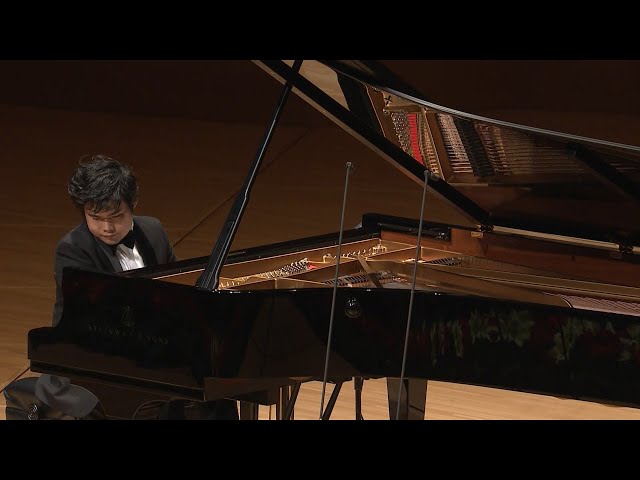
An elegant miniature by the French composer Maurice Ravel.
Composed in 1899 as a piano piece, it was later arranged for orchestra as well.
Ravel said he chose the title simply for the beauty of its sound.
Marked by a calm and delicate melody, it exudes a graceful atmosphere reminiscent of the pavane, a court dance of 16th‑century Spain.
It is approachable even for those who have just begun playing the piano, and by practicing with attention to chord balance and a refined touch, one can enhance musical expressiveness.
By approaching it sincerely and carefully, this piece allows you to feel the profound depth of classical music.
Sonatine Op. 36 No. 1 in C majorMuzio Clementi

One of the best-known pieces by Muzio Clementi—born in Rome, Italy, and active in a wide range of roles including composer, pianist, teacher, and publisher.
It is one of the Six Sonatinas written for the daughter of a wealthy noble family, and the easiest of the set; many piano students practice it during the transition from beginner to intermediate level.
A sonatina is a scaled-down version of the musical form known as sonata form, making it highly instructive for learning about classical structures.
It’s ideal to enjoy the charm of the piece while also building knowledge of its form and structure.
BoyhoodInoue Yosui

The well-known Heisei-era classic “Shonen Jidai.” It is Yosui Inoue’s biggest hit and a representative piece of Japanese music, having been featured many times in junior high and high school music textbooks since 1994.
Its nostalgic, beautiful melody line and simple chords can be performed with rich expression even on the piano.
If you add a firm accent to the chord that leads into the chorus, your performance will have a crisp, dynamic contrast.
It’s best to play calmly and at an easy tempo, imagining Yosui Inoue’s gentle singing voice.