

[Piano Etudes] Recommended for Beginners! A Curated Selection of Easy, Playable Pieces

A vast number of beginner-friendly piano scores line the shelves of music stores and online shops.
“I want to start playing the piano, but where on earth should I begin?” Many people have this question and find it hard to take the first step.
In this article, we introduce recommended practice pieces for those who have just started learning the piano.
We’ve carefully selected easy, accessible pieces from a wide range of genres—perfect for complete beginners or those returning to the piano.
If you’re about to start practicing the piano, this is a must-read!
- [Beginner] Start Here: Classic Practice Pieces Recommended for Adult Piano Beginners
- Even beginners can play them easily on the piano! A curated selection of popular and latest J-POP songs.
- [Free Piano Sheet Music] Beginner-Friendly! Carefully Selected Pieces Available for Immediate Download
- Recommended for piano beginners! 10 sheet music picks that adults can enjoy too
- [Beginner] Recommended for adult piano beginners! Beautiful & stylish piano pieces
- [Piano Beginners] J-POP That Looks Hard but Is Surprisingly Playable [2026]
- [Beginner] Recommended Piano Pieces to Play at a Recital
- [Piano Pieces] Easy for Children to Play! A Roundup of Simple Classical Works
- Piano Masterpieces: Surprisingly Easy Despite Sounding Difficult!? A Curated Selection Perfect for Recitals
- [Easy to Play Even If You're Not Good with Both Hands!] Simple piano pieces for absolute beginners. Recommended piano songs.
- [Piano Sheet Music] Free downloads available! A roundup of easy-to-play pieces
- [For Piano Beginners] Play Right Now with Free Sheet Music! A Roundup of Recommended Practice Pieces
- A must-see for piano beginners! Recommended training videos that are great for basic practice
[Piano Etudes] Recommended for Beginners! A Curated Selection of Easy and Playable Pieces (21–30)
Let’s dance the waltz.William Gillock

This is the piece that appears at the very beginning of First Gymnopédies (First Gillock).
Since the left and right hands play alternately, even those who have just started learning piano can play it.
Yet it’s not boring; it’s a fun piece that makes your body sway as you play.
Always With MeKimura Yumi

It’s the main theme from the Studio Ghibli film Spirited Away.
The song expresses a deep affection for life itself, for existence, and the sanctity of life and death.
In addition to Yumi Kimura’s clear, beautiful vocals, her simultaneous performance on the harp also drew significant attention.
[Piano Etudes] Recommended for Beginners! A Curated Selection of Easy and Playable Pieces (31–40)
My Heart Will Go OnCéline Dion
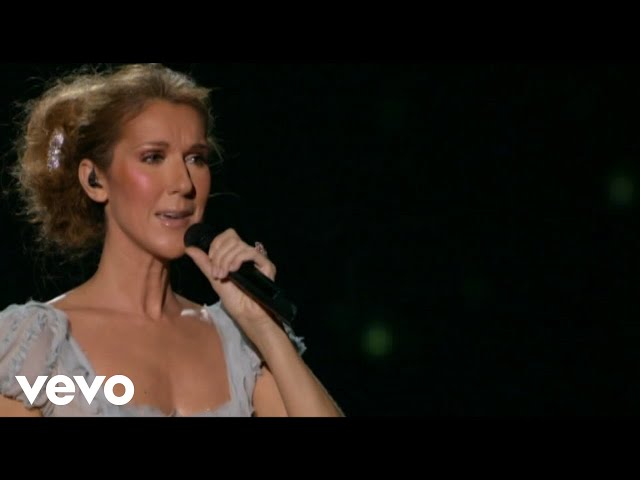
It’s the theme song from the movie Titanic.
It features an expressive and beautiful melodic line.
The tempo is relaxed, but the right-hand movement is delicate, making it good fingerwork practice for beginners.
It’s a piece you’ll want to play with rich emotion and grandeur, just like Celine Dion’s singing.
Album for the Young: 24 Easy Pieces, Op. 39, No. 9 — The New DollPyotr Tchaikovsky

This is a classical piano etude by the composer Tchaikovsky, famed for The Nutcracker.
It’s a perfect piece for beginners to practice fingerings while they’re still getting used to the keyboard.
Try expressing on the piano the image of a young girl excitedly playing with her new doll.
Piano Sonata No. 14, Op. 27 No. 2 “Moonlight,” First MovementLudwig van Beethoven

It’s well known as a piano etude, but it’s also such a profound and beautiful piece that even famous pianists include it in their setlists.
As an aside, there’s a scene in the original horror game Resident Evil where you have to play this piece on the piano as part of a puzzle, and it was a puzzle that could only be solved if you chose the female character.
12 Variations on “Ah, vous dirai-je, Maman” (Twinkle, Twinkle, Little Star Variations)Wolfgang Amadeus Mozart

Composed by Mozart.
As the title suggests, this piece includes the well-known Twinkle, Twinkle, Little Star melody.
The difficulty level isn’t very high, but it may still be challenging for those who have just started learning the piano.
It’s a recommended piece to try after a bit of practice.
Minuet in C-sharp minorMaurice Ravel

This is a very short piece, about one minute long, said to have been written around 1904 as a practice assignment for a close composer friend.
Within the classical minuet form, it carries Ravel’s characteristic refined sonorities and a subtly introspective mood.
Rather than dazzling display, the piece conveys restrained elegance—melancholy and beautiful, as if translating delicate, hidden emotions directly into sound.
It’s perfect for anyone who wants an easy introduction to Ravel’s unique aesthetic sensibility.
Because its structure is concise and free of unnecessary ornamentation, the key is to play each note with care while picturing the steps of an elegant dance.
Aim to express the nuances of the heart within its soft, subdued atmosphere.