

[For Elementary Schools] Recommended Exhibits and Recreational Activities for a Cultural Festival


One of the events elementary school students look forward to is the cultural festival.
Sometimes it’s held under a unique name like “Friendship Festival” or includes the school’s name as in “◯◯ Showcase.”
This article is perfect for an elementary school cultural festival!
It introduces activities and recreations that the whole class can enjoy together.
You’ll find a variety of ideas—from performances you can do in the classroom to recreations suited for larger spaces like the gym or school grounds.
If you’re having trouble deciding on an idea, feel free to use these as a reference.
- [For Kids] Fun Entertainment and Activities to Liven Up a Festival
- Unusual attractions you can do in a classroom for a cultural or school festival
- Cultural Festival: Ranking of Popular Booth Ideas
- [Elementary School Rec] Recommended Games and Performances for a Fun Party
- [Non-food] Cultural festival attractions: from classroom exhibits to stage events
- Games that liven up festivals. Ideas that children can enjoy.
- Performances that liven up an elementary school thank-you party! A collection of ideas everyone can enjoy
- Games that rival street festivals and variety shows!? Crowd-pleasers for school cultural festivals
- A roundup of recreational activities to liven up cultural and school festivals
- Festival booth menu items that can be served without cooking and without using fire
- [For Kids] Today's Recommended Recreation Idea Collection
- [For High School Students] A roundup of recommended attractions for the school festival
- Better than a theme park! Attractions perfect for school cultural festivals
[For Elementary Schools] Recommended Booths and Recreational Activities for Cultural Festivals (21–30)
musical drama

How about trying a musical play where you can challenge both music and acting? Unlike a musical, a musical play basically unfolds the story through dialogue, and the stage is built by adding songs and the like along the way.
Since dialogue and songs can be treated separately, it may be easier for lower-grade children to take on.
Depending on the casting, it’s also recommended to divide roles so that some people only act, while others only sing or dance.
Choose a story that younger children are familiar with, and give it a try.

chorus

Choral singing is highly recommended either as a performance item or as recreation for the opening or closing ceremonies.
Singing an upbeat song at the opening ceremony will lift everyone’s spirits for the cultural festival.
And singing at the closing ceremony should help everyone feel a renewed sense of bonding at the end.
If your class presents it as a performance, another appeal is how easy it is to arrange.
It could be fun to sing a pop song instead of a traditional choral piece, or to combine it with elements like dance or drama.
And of course, the classic option is to perform it with instrumental accompaniment.

[For Elementary Schools] Recommended Booths and Recreational Activities for a Cultural Festival (31–40)
YouTube coordinator
The YouTube committee will film videos about things the whole class is likely to be interested in.
The finished videos will be saved in a dedicated committee video room so classmates can watch them.
Filming and editing might be fun too, since you can feel a sense of accomplishment when the work takes shape.
Depending on the season, it’s also recommended to record class activities, edit them as memories, and hold a screening for everyone.
Be sure to set clear rules about personal information and how to use the editing devices, and let’s create fun videos that make everyone smile.

Impersonation contest

If there are some funny performances, the school festival will be even more exciting.
So, I’d like to propose a celebrity impersonation contest.
Like the ones you often see on variety shows, let’s make it so that anyone who wants to can perform freely.
For those who are unsure what to imitate, well-known characters or celebrities are recommended.
It’s easier for people to get the joke, and they’ll be more likely to laugh.
Alternatively, choosing someone familiar that everyone knows can also work well.
comedy person in charge
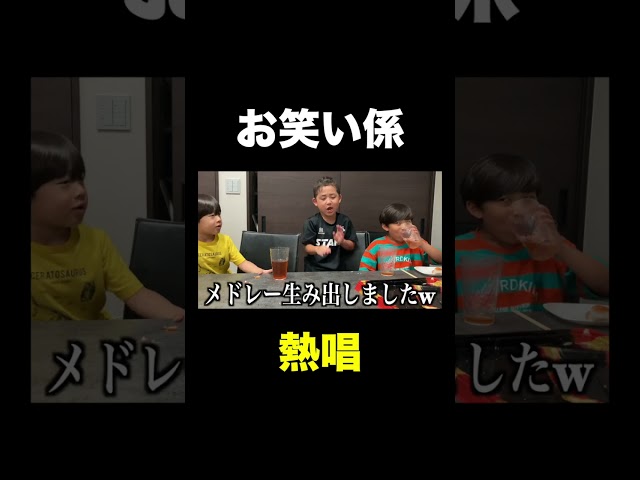
The class comedian role is an innovative duty in elementary school class activities that brightens the overall atmosphere of the class.
The class comedian livens things up during recess by doing quick skits or comedy routines.
They play a big part in lifting the mood when someone has made a mistake or when the class atmosphere dips.
It’s an important role that involves thinking about how to make everyone laugh and how to create a cheerful mood, then putting those ideas into action.
Let’s watch everyone’s reactions and proceed in a way that helps us stay positive in our activities.
Pun Manager
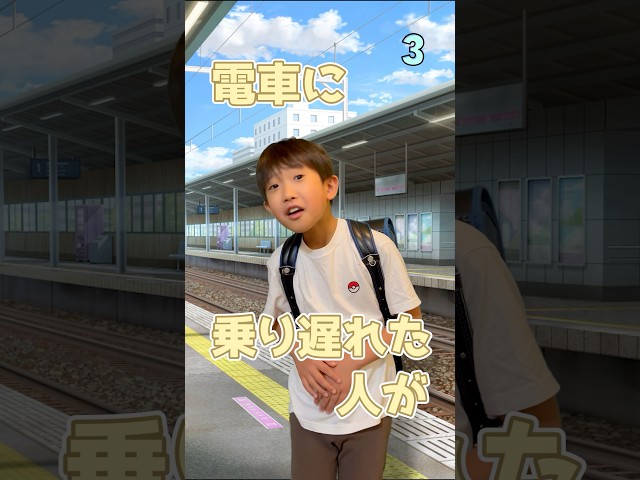
The pun monitor is a role where you share puns that make everyone chuckle and liven up the class.
During the morning meeting or closing meeting, you present puns that everyone will find interesting.
The key is to watch the timing and deliver the puns with expressive faces and a playful tone.
If you can’t think of any puns, it might be a good idea to ask classmates for suggestions.
This pun monitor role is perfect for kids who love making people laugh.
Share funny puns and brighten up the class!
Impersonation clerk
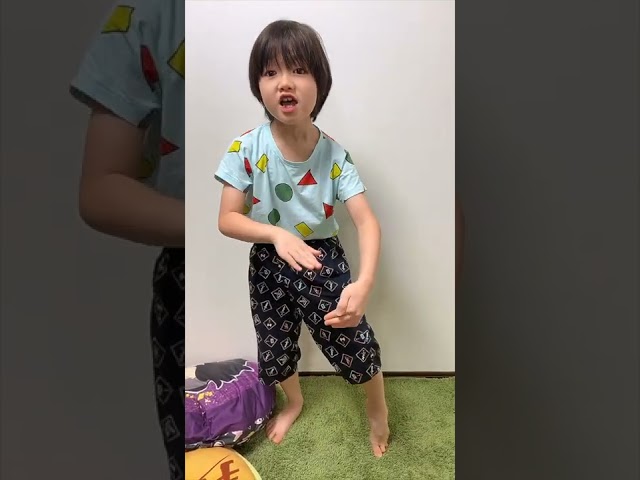
An impressionist role that gets laughs by mimicking people or things everyone knows.
The key is to capture and express the distinctive features and highlights of what you want to imitate.
If you go all in and people burst out laughing because it’s “spot on,” that’s the best.
Don’t be shy—express yourself boldly and without fear.
It’s also important to observe and grasp the characteristics of your target.
Avoid doing impressions that might make others feel uncomfortable.
What matters is doing impressions that everyone in the class can laugh at.