

Children’s songs to sing on a rainy day / children’s songs with a rain theme

When it rains, you can’t go play outside, and kids tend to feel a bit gloomy, don’t they?
At times like that, listen to or sing children’s songs with a “rain” theme to make rainy days a little brighter!
In this article, we’ve gathered a variety of children’s songs themed around “rain,” including songs that describe how the rain falls, songs that evoke the image of rain, and songs that capture the excitement after the rain stops.
Even children who feel they don’t like rain might start to like it a little after listening to the songs we introduce.
On gloomy rainy days, let’s sing and keep our spirits up!
Nursery Rhymes to Sing on Rainy Days: Rain-Themed Songs (1–10)
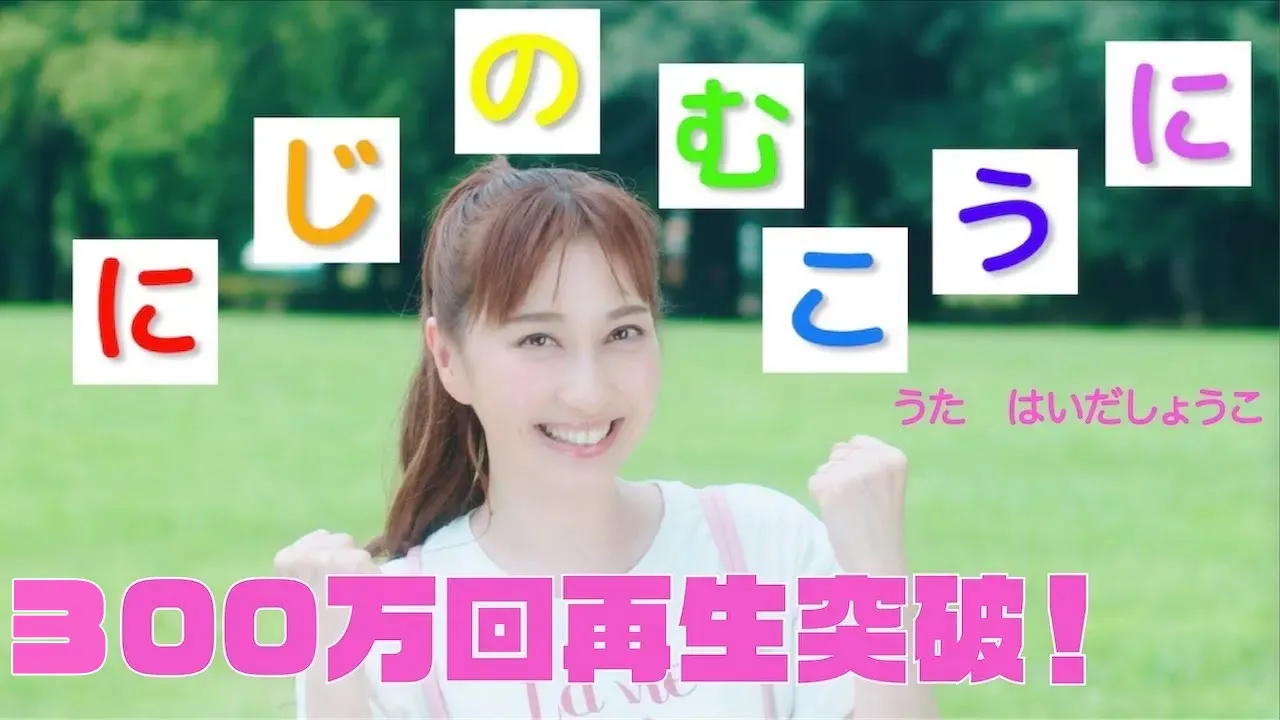
Beyond the rainbowSakushi Sakkyoku: Sakata Osamu

The classic song “Niji no Mukō ni” (Beyond the Rainbow), passed down on NHK Educational TV’s program “Okaasan to Issho,” is a children’s song with lyrics and music by Osamu Sakata, who was active on the show as Osamu Onii-san.
“Niji no Mukō ni” aired as the Song of the Month in April 1996, and the YouTube video of the version sung by Shoko Haida has surpassed 2 million views and remains popular today.
It’s a beloved masterpiece that beautifully captures the excitement and thrill when the rain stops, the sun peeks out, and a rainbow appears.

rainfallsakushi: kitahara hakushū / sakkyoku: nakayama shinpei

A children’s song by Hakushu Kitahara, who is also famous as a poet.
Kitahara wrote many children’s songs, including “Amefuri,” “Karatachi no Hana,” and “Machibōke.” The “janome” mentioned in the lyrics refers to the janome-gasa (snake’s-eye umbrella), which has been made and used since the Edo period.
When viewed from above, the umbrella is painted in rings that look like a snake’s eye, which is how it got its name.
You may have seen this in period dramas, in scenes where samurai do umbrella-making as side work.
While the first verse is well known, many people may not have heard the later verses.
The charming lyrics describe lending an umbrella to a crying child who doesn’t have one on a rainy day, so why not sing it together as a parent and child and enjoy a heartwarming moment?
Rainy AquariumSakushi: Shinzawa Toshihiko / Sakkyoku: Nakagawa Hirotaka

A children’s song with lyrics by Toshihiko Shinzawa, a singer-songwriter who has created many educational materials for preschoolers, and music by Hirotaka Nakagawa, a picture-book author.
From the piano in the intro, you can just picture the gentle rainy season, can’t you? The beautiful lyrics and melody, which liken the sights of a rainy city to an aquarium, are outstanding.
It’s not only children who dislike the rainy and monsoon seasons—adults do too.
But if you imagine rain-soaked cars and people as aquarium fish, you just might get through the gloomy rainy season!
rainSakushi: Eguchi Akiko/Sakkyoku: Hirota Ryūtarō

A song with lyrics by the children’s songwriter Hakushu Kitahara, also known for “Amefuri,” and music by the children’s composer Ryutaro Hirota, known for “Haru yo Koi.” It’s characterized by its wistful melody from the very beginning and its literary lyrics, which beautifully capture the feelings of a small child who can’t go out to play because it rains all day long.
In Aki City, Kochi Prefecture, the hometown of the composer Hirota, there is a humorous monument inspired by a rain umbrella and a pair of red geta with broken thongs—items that also appear in the song’s lyrics.
Rainy Amusement ParkSakushi:Taniuchi Rokurou/Sakkyoku:Nakamura Hachidai

A children’s song that aired on NHK’s Minna no Uta.
The lyrics were written by children’s book illustrator Rokuro Taniuchi, and the music was composed by Hachidai Nakamura, also famous for “Ue o Muite Arukou” (“Sukiyaki”).
It’s known for its beautiful imagery that vividly evokes a rainy amusement park, and the video used in the program featured illustrations drawn by Taniuchi himself.
In 2003, it was rebroadcast for the first time in 40 years as part of “Natsukashi no Minna no Uta.” The modulation from the lighthearted opening to a more melancholy section is especially striking and makes it a memorable classic.
It’s a perfect song for parents and children to enjoy together during the rainy season!
A Little Bear in the RainSakushi: Tsurumi Masao / Sakkyoku: Yuyama Akira

This children’s song was broadcast on NHK in 1962, with music by Akira Yuyama, known for his work in children’s songs, and lyrics by Masao Tsurumi, who received the 6th Japan Children’s Song Award and a Special Prize at the 6th Akai Tori Literary Awards for this piece.
The fact that all the lyrics are written in hiragana shows consideration for children.
The song charmingly depicts a bear cub who, after rain falls in the mountains, mistakes a puddle for a stream, tries drinking the water, and looks for fish.
It’s often sung during the rainy season, so listening to it with your child can bring back fond memories of early childhood.
snailSakushi sakkyoku: Monbushō shōka
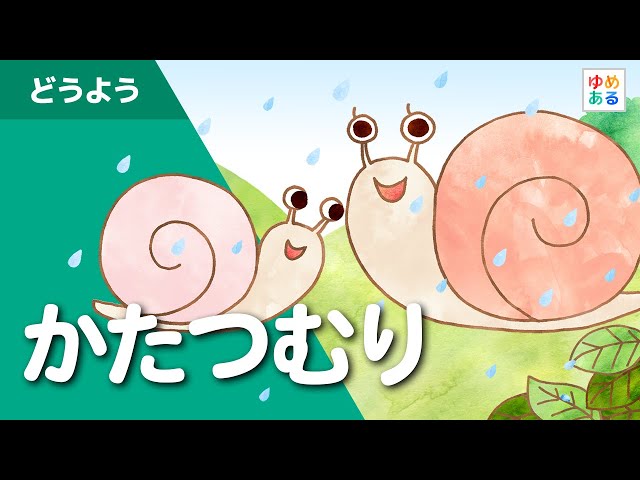
Elementary School Songs, compiled by the then Ministry of Education in 1911.
Until then, translated songs were often used, but from this time on, melodies and lyrics original to Japan, composed by Japanese composers, began to be adopted.
Well-known masterpieces still familiar today—such as “Hatopoppo,” “Momotarō,” and “Autumn Leaves (Momiji)”—are among them.
The snail is also called denden-mushi, a name said to derive from the classical kyōgen play “Kagyu,” which features a snail as its motif.
With its repeating rhythm and lyrics, it’s a fun song—so sing it with your child and brighten up even rainy days!