

Female Singer-Songwriters of the ’60s: Popular Songs Ranking [2026]

We present a ranking of popular tracks and hidden gems by female singer-songwriters who were active and produced hits mainly in the 1960s.
These songs reflect the values and views on romance held by women at the time, so it might be interesting to listen with that in mind.
- 1970s Female Singer-Songwriters: Popular Songs Ranking [2026]
- Classic and hit kayōkyoku songs from the nostalgic 1960s
- Classic and hit Japanese pop songs from the nostalgic 1960s
- Top 1980s Female Singer-Songwriters: Popular Songs Ranking [2026]
- Back to those nostalgic days… Classic and hit Western songs of the 1960s
- Nostalgic Japanese hit songs from the 1960s. A collection of popular Showa-era classic melodies.
- Love songs that resonate with women in their 60s: gem-like romance tunes that revive memories of youth.
- Ranking of Popular Songs by Female Singer-Songwriters of the 1990s [2026]
- Popular Showa-era pop. Timeless hit songs.
- [Revisited] A roundup of popular and classic Showa-era songs that are trending now [2026]
- Ranking of Popular Oldies and Classic Songs [1960s Japanese Music Rankings]
- [70s Western Music] Timeless Masterpieces and Popular Songs by Female Singers
- [60s] Karaoke Popularity Rankings by Generation [2026]
1960s Female Singer-Songwriters: Popular Songs Ranking [2026] (1–10)
Hee, hee, hee, hee,EPO8rank/position

“Ooh, hoo, hoo, hoo”—just the title alone makes you smile, doesn’t it? This irresistibly upbeat song radiates excitement.
It’s singer-songwriter EPO’s fifth single.
After gaining attention as a Shiseido cosmetics campaign jingle, it went on to be used in seven other companies’ commercials, and nearly 40 years after its release, it was even featured in a 2022 McDonald’s ad! The song’s enduring popularity as a commercial tune is astounding.
Are you managing to spend your days joyfully, laughing lightly like in this song?

wicked womanNakajima Miyuki9rank/position

Still beloved today as a classic from the Showa era, this work features Miyuki Nakajima’s soul-stirring vocals and a poignant love story that resonates deeply.
Released as a single in October 1981, it is known as one of Nakajima’s signature songs.
The lyrics, which portray a woman’s feelings as she sacrifices herself for the one she loves, strike a chord with listeners.
Covered by numerous artists, it has been cherished both in Japan and abroad.
It’s a song recommended for listening alone on a quiet night.
A gem that accompanies those suffering in love or harboring a bittersweet longing.
foreignerKUBOTA Saki10rank/position

From an intro that exudes an exotic atmosphere, Saki Kubota’s debut single draws you in before you know it.
The lyrics, suffused with loneliness and a sense of loss, are sure to resonate with anyone who has experienced the pain of heartbreak.
Released in October 1979, the song was also featured in a Sanyo Electric commercial and sparked a huge response, reaching No.
1 on the Oricon chart in December.
It’s a track that fully showcases her talent as a singer-songwriter, perfect for times when you want to heal the wounds of a broken heart or take a hard look at yourself.
Top 1960s Female Singer-Songwriter Songs Ranking [2026] (11–20)
Stranger – Theme of the Silk RoadKUBOTA Saki11rank/position

An intro with an Oriental phrase that leaves a strong impression.
As the subtitle “Theme of the Silk Road” suggests, the melody line evoking the Middle East was a shock at the time.
This exotic image is said to have been inspired by producer Masatoshi Sakai’s barefoot journey through the South Pacific.
The arrangement, which changes dramatically between the so-called A and B sections, also feels fresh.
It creates the atmosphere of wandering on a camel through an endless desert, and even now you can enjoy the sensation of embarking on a mysterious journey when you listen to it.

4:00 A.M.Ohnuki Taeko12rank/position

This is a masterpiece by Taeko Ohnuki that captures the stillness before dawn.
It was included on the album “MIGNONNE,” released in September 1978, and features a delicate arrangement by Ryuichi Sakamoto that truly shines.
The lyrics depict the loneliness of 4 a.m., conveying a heartfelt wish for another chance during a time of introspection.
The synthesizer tones are striking, giving it a vibe that feels ahead of the 1980s music scene.
It might be the perfect song for night owls or for those standing at a crossroads in life.
SeptemberTakeuchi Mariya13rank/position
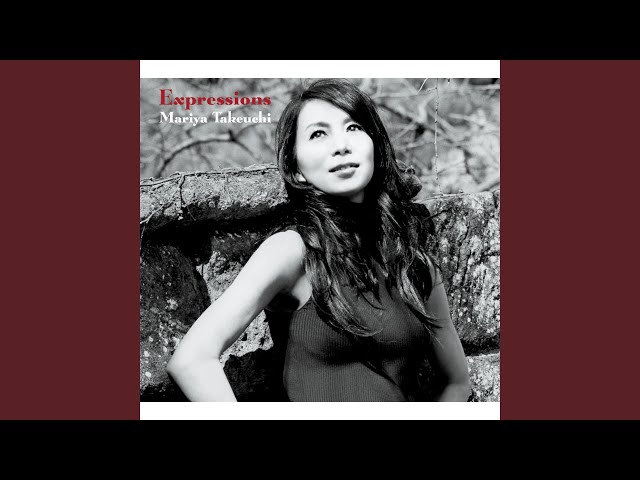
This song is etched deeply in many people’s hearts as a classic that colors the long nights of autumn.
Mariya Takeuchi’s clear, translucent voice delicately captures the shift from summer to fall.
Set in September—the month that symbolizes parting—the lyrics portray the end of a romance and the changes of the heart, resonating deeply with listeners.
Released in 1979, this track has long been cherished as one of Takeuchi’s signature works.
It appears on multiple releases, including the album “LOVE SONGS,” attesting to its enduring popularity.
It’s a perfect listen when you begin to feel autumn’s arrival and find yourself in a contemplative mood.
This is a song that will let you feel the autumn breeze in your heart.
contrailArai Yumi14rank/position

A song loved by many as a quintessential ballad of the Showa era.
Serving as the title track of the album “Hikōkigumo,” it was released in November 1973.
Inspired by a classmate with muscular dystrophy, its lyrics poignantly convey the fragility and preciousness of life.
In 2013, it was used as the theme song for Hayao Miyazaki’s film “The Wind Rises,” drawing renewed attention forty years after its release.
Its gentle melody and delicate arrangement make it a timeless piece that resonates deeply.
It’s a song you’ll want to listen to while thinking of someone dear to you.