

![Female Singer-Songwriters of the ’60s: Popular Songs Ranking [2026]](https://i.ytimg.com/vi_webp/WTcDPEitsck/maxresdefault.webp)

We present a ranking of popular tracks and hidden gems by female singer-songwriters who were active and produced hits mainly in the 1960s.
These songs reflect the values and views on romance held by women at the time, so it might be interesting to listen with that in mind.
- 1970s Female Singer-Songwriters: Popular Songs Ranking [2026]
- Classic and hit kayōkyoku songs from the nostalgic 1960s
- Classic and hit Japanese pop songs from the nostalgic 1960s
- Top 1980s Female Singer-Songwriters: Popular Songs Ranking [2026]
- Back to those nostalgic days… Classic and hit Western songs of the 1960s
- Nostalgic Japanese hit songs from the 1960s. A collection of popular Showa-era classic melodies.
- Love songs that resonate with women in their 60s: gem-like romance tunes that revive memories of youth.
- Ranking of Popular Songs by Female Singer-Songwriters of the 1990s [2026]
- Popular Showa-era pop. Timeless hit songs.
- [Revisited] A roundup of popular and classic Showa-era songs that are trending now [2026]
- Ranking of Popular Oldies and Classic Songs [1960s Japanese Music Rankings]
- [70s Western Music] Timeless Masterpieces and Popular Songs by Female Singers
- [60s] Karaoke Popularity Rankings by Generation [2026]
1960s Female Singer-Songwriters: Popular Songs Ranking [2026] (1–10)
youKozaka Akiko1rank/position

This work, still loved today as one of the quintessential masterpieces of the Showa era, was written by Akiko Kosaka when she was just 16.
The lyrics she wove are filled with dreams and hopes for the future.
The vivid depiction of an ideal family life resonates deeply with listeners.
Released in December 1973, it became a smash hit in no time, spending seven consecutive weeks at No.
1 on the Oricon chart and ranking second on the year-end singles chart.
Akiko Kosaka’s clear, translucent voice and the lyrics imbued with pure sentiments are recommended not only for those troubled by love, but also for anyone who quietly cherishes feelings for someone special.
My loverGorin Mayumi2rank/position

This is Mayumi Itsuwa’s signature song, cherished by many as one of the defining ballads of the Showa era.
Released in August 1980, it achieved the remarkable feat of reaching number one on the Oricon weekly chart.
Beloved in countries such as South Korea, China, Hong Kong, Malaysia, Singapore, and Indonesia, this work is a poignant love song centered on lost love and parting.
Itsuwa’s clear, pure vocals and the lyrically vivid imagery leave a lasting impression.
The lyrics skillfully portray expressions that evoke the changing seasons and the inability to accept a breakup with a lover.
It’s a highly recommended track for anyone who has lost someone important or seeks to heal the pain of a broken heart.
You’re Kiwi, Papaya, and Mango, aren’t you?Nakahara Meiko3rank/position

For those who spent their youth around the time this song became a hit, it’s surely a deeply nostalgic track that could be called a true monument of Showa-era pop.
When I first heard the title “Kimitachi Kiwi Papaya Mango dane,” I remember thinking, “What kind of song title is that??” Apparently, the name was specified by an advertising agency.
The lyrics were written by the singer herself, Meiko Nakahara, together with the songwriting master Yukinojo Mori.
The embedded video is a cover version included on Ai Furihata’s first cover mini-album, “Memories of Romance in Summer.” It sounds fun to compare it with the original, doesn’t it?
Plastic LoveTakeuchi Mariya4rank/position

As classic songs from the Showa era gain renewed attention on social media, this track by Mariya Takeuchi is once again capturing the hearts of younger listeners.
Featured on her acclaimed 1984 album “VARIETY,” the song is distinguished by its smooth, sophisticated sound and lyrics that portray the emptiness of romance.
Tatsuro Yamashita’s arrangement also shines.
In 2021, it was reissued on 12-inch vinyl, accompanied by a new music video.
The lyrics, which depict the feelings of a woman repeating superficial relationships, continue to resonate with many people today.
It’s a must-listen for anyone struggling to recover from heartbreak or feeling lonely in the city at night.
FANTASYNakahara Meiko5rank/position
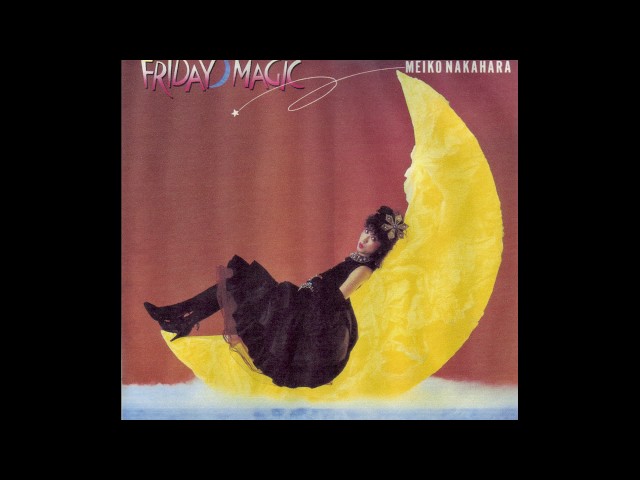
Let me introduce a positive break-up song, “FANTASY.” It’s a track sung by singer-songwriter Meiko Nakahara, included on her second album, “Cinderella Until 2 O’Clock – FRIDAY MAGIC -.” The lyrics portray a woman who, after a breakup, finds her way to a new love.
The song is dance-themed, with a relaxed, groovy sound you can move to.
It’s also a track that lends itself well to adding your own original choreography.

Forbidden LoveMoriyama Ryoko6rank/position

This song is hailed as a masterpiece among 1960s folk numbers.
Its lyrics, which capture the ache of unrequited love, and its moving melody have touched countless hearts and continue to be cherished today.
Released in March 1969, it reached No.
1 on the Oricon weekly singles chart.
It was also performed at the 20th NHK Kōhaku Uta Gassen, swiftly becoming one of Ryoko Moriyama’s signature songs.
Total sales exceeded 800,000 copies, and it won the Lyricist Award at the 11th Japan Record Awards.
It’s the perfect tune for those troubled by love or who believe in pure affection.
It’s also a wonderful choice to listen to alone on a quiet night.
spring thunderfuki no tō7rank/position

Like flowers that color the spring, “Shunrai” (Spring Thunder), a 1979 masterpiece by Fuki no To that blossomed in the Showa-era music scene.
The song’s protagonist gazes at white petals scattering with a sudden spring thunder, their thoughts tenderly drawn to the person they parted from.
The tears-stirring lyrics were originally about a breakup between a man and a woman, but were later changed to their current form to reflect Yasuyo Yamaki’s wish for his mother.
Highly recommended for anyone who has endured a painful parting or wants to feel the warmth of spring’s arrival.