

Popular Oldies and Classic Songs Ranking: 1970s Japanese Music

We’re excited to present the latest top 100 ranking of nostalgic Japanese pop songs, introduced all at once in order of most views!
We’ve picked out beloved classics that were hits in the 1970s.
Listening again like this, you’ll notice many songs are still enjoying revivals today.
Be sure to check them out.
The playlist is updated every week.
- A collection of nostalgic hit songs and classics from the 70s
- [Showa Kayō] A roundup of Japanese love songs that hit in the 1970s
- [1970s] Collection of Japanese hit songs. Nostalgic masterpieces of Japan
- Nostalgic Japanese hit songs from the 1970s: the golden age of idols and kayōkyoku (Japanese pop songs)
- 1970s Female Singer-Songwriters: Popular Songs Ranking [2026]
- [Classic Showa Kayō Hits] The captivating Showa-era pop songs beloved even by younger generations
- [Recommended for people in their 70s] Songs that really move you. Beloved classic Japanese hits of the past.
- Heart-touching, tear-jerking masterpieces from the Showa era
- [Japanese Music] A Collection of Heart-Touching Hit Folk Songs from the 1970s
- Classic and hit songs by nostalgic Japanese idols from the 1970s
- Nostalgic yet fresh!? Classic masterpieces of Japanese rock from the 1970s and 1980s
- Classic and hit Japanese pop songs from the nostalgic 1960s
- [Today's Recommended Nostalgic Songs] Memories from those days come flooding back! A collection of gem-like classics
Ranking of Popular Nostalgic Songs and Classics [1970s Japanese Music Ranking] (91–100)
Gather the Windhappiiendo91rank/position

A gentle weaving of urban transformation and nostalgia, this is a quintessential coming-of-age song of the 1970s.
Created by Happy End in November 1971, it’s a gem in which Takashi Matsumoto vividly and poetically portrays Tokyo’s streets and the lives of its people.
Featured on the album Kazemachi Roman, the track wraps the city’s memories in delicate soundscapes crafted by Eiichi Ohtaki, Haruomi Hosono, and Shigeru Suzuki.
After being featured in the film Lost in Translation, it has been covered and cherished by many artists, including Akiko Yano and Hiromi Ohta.
It’s a song whose tender melody and storytelling resonate deeply—perfect for a calm afternoon or an emotionally stirring dusk.
Forever with youKayama Yūzō92rank/position

As an immortal wedding song that vows eternal love, this piece—considered a signature work of Yuzo Kayama, known as the “Young General”—has been sung since the Showa era.
Released as a single in December 1965, it’s well known as the theme song for the film “The Young General of the Electric Guitar.” The lyrics, written by Tokiko Iwatani, depict a beautiful twilight scene and unchanging love, while the composition—credited to Kosaku Dan—reportedly sold over three million copies at the time.
The spoken line in the interlude, “I feel so happy,” is extraordinarily famous and warmly envelops listeners, filling them with joy.
This moving ballad, elevated by grand strings, is perfect for a moment when the groom expresses his honest feelings to the bride.
How about singing it with heartfelt emotion at the wedding reception to celebrate the couple’s new beginning?
Let’s get married.yoshida takurou93rank/position
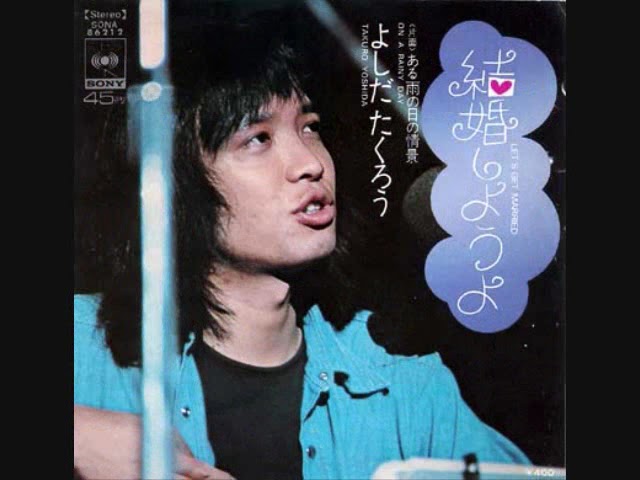
It is known as a song that significantly changed the status of folk music in the Japanese music scene.
Released as a single on January 21, 1972, it refreshed the prevailing image of protest songs and presented a new form of folk music through colorful wording and distinctive arrangements.
Through this song, Takuro Yoshida helped make folk music widely accepted as pop music among young people.
Against the backdrop of the late 1960s, when love marriages were becoming more common, the release portrayed an assertive proposal from a man to a woman—an approach that was remarkably innovative for its time.
With the resonant tone of the acoustic guitar that pierces the heart, it can be called a timeless masterpiece cherished across generations.
poppy flowerAgunesu Chan94rank/position

This was Agnes Chan’s Japanese debut single, depicting the pure feelings of a girl who tells her fortune in love using poppies blooming on a hill.
Her clear, gentle voice weaves together her thoughts, worries, and loneliness for a lover who has gone off to a distant city.
Released in November 1972, the song became a major hit, reaching No.
5 on the Oricon Weekly Chart.
She also performed it at the 24th NHK Kōhaku Uta Gassen in 1973, which helped ignite her popularity.
It remains beloved by many today as a heartwarming song that evokes the arrival of spring and is perfect for reminiscing about bittersweet memories of first love.
A Good Day to Set Out on a JourneyYamaguchi Momoe95rank/position

It’s a classic song with a refreshing melody that heralds the arrival of spring and lyrics that evoke a sense of nostalgia.
Released in November 1978 as the theme song for the Japanese National Railways’ travel promotion campaign, it became a major hit, enhanced by Momoe Yamaguchi’s beautiful vocals.
The song masterfully portrays the intertwining of the protagonist’s anticipation for a new departure and their feelings for the past, delivering a deeply resonant message to listeners.
It’s often sung at life’s milestones, such as weddings and graduations, and its cross-generational appeal is one of its enduring charms.
When the spring weather tempts you to set off on a journey, why not give this song a listen?