

Ranking of Popular Songs by Female Singer-Songwriters of the 1990s [2026]

This is a song list featuring hit and classic tracks by female singer-songwriters from the 1990s.
The 1990s were the era in Japan when music and CDs sold the most, with million-selling records coming one after another.
Alongside massive hits, many highly musical works were also produced that satisfied even dedicated music fans.
- Iconic ballads of 90s J-pop: nostalgic mega-hits and fan favorites
- A roundup of hit love songs from the ’90s
- Top 1980s Female Singer-Songwriters: Popular Songs Ranking [2026]
- Top Female Singer-Songwriters and Popular Songs of the 2000s [2026]
- Classic and hit J-pop songs from the nostalgic ’90s
- Nostalgic Yet Everlasting: Classic Hits by 1990s Idol Singers
- Tear-jerking J-pop from the ’90s. Hit songs and real tearjerkers.
- Cool Japanese female vocal
- Thrilling to Cool Showa-Era Tunes! Classic Songs from Female Singers and Artists of the Showa Period
- Looking back at the gem-like debut songs of female singers who debuted in 1990
- [Healing & Cool] Female Vocalists with Captivating Husky Voices
- A collection of nostalgic hits from the Heisei era: Let’s look back at iconic songs from the 1990s and 2000s.
- A 90s girls' band. A popular Japanese band.
Ranking of Popular Songs by 1990s Female Singer-Songwriters [2026] (31–40)
slideShiina Ringo31rank/position
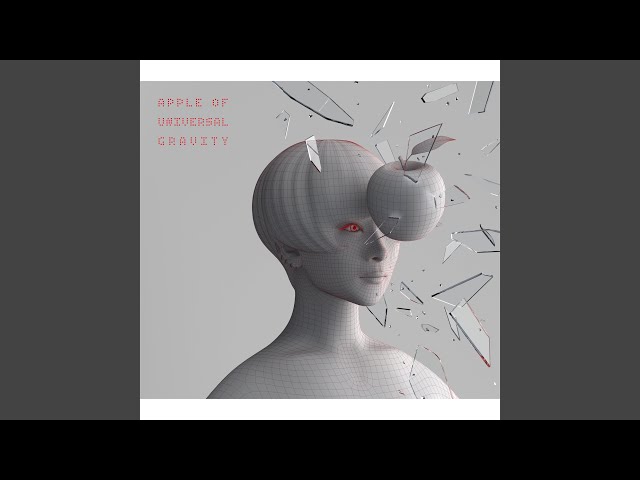
This song, brimming with Shiina Ringo’s signature style, portrays a fragile, precariously balanced relationship between a man and a woman.
Originally released in May 1998 as the B-side to her debut single “Koufukuron” (A View of Happiness), it was later included on the album “Watashi to Houden.” The vocals—languid yet earnest—and the melody, which seems to render emotional tremors directly into sound, leave a strong impression.
The two protagonists, sensing the end yet unable to touch the heart of the matter, evoke the wistful atmosphere of autumn, when one longs for human warmth.
Be sure to follow the story woven through the lyrics.
ZUTTOMariko Nagai32rank/position

Released in October 1990, this song became a long-running hit, staying within the top ten for 12 weeks.
With this song, Mariko Nagai made her first appearance at the 42nd NHK Kōhaku Uta Gassen in 1991.
The couple depicted in the lyrics—two people who are naturally together yet acknowledge that they are separate individuals while staying close—could be considered an ideal pair for many.
We all hope to keep living happily together, just as we are, for a long time.

My pager doesn’t beep anymoreKunitake Mari33rank/position

This is a song that became a hit as the opening theme for the Nippon TV drama “The Pager Won’t Ring.” The drama portrayed pagers—then the main means of communication—as tools for extramarital affairs, and the lyrics, which convey the feelings of a heartbroken woman involved in an affair, make it a painful song to listen to.
This City (HOME MIX)Moritaka Chisato34rank/position

A single by Chisato Moritaka, released on February 10, 1991.
Its sound spreads a fresh, energetic atmosphere; pure, strong love; a nostalgic warmth; and “liking” has such incredible power it can even create miracles! A hometown you can love that much is wonderful, isn’t it? Within its poppiness lies an intensely moving hometown song!
Lala SunshineMoritaka Chisato35rank/position

Carried by a refreshingly cool melody, Chisato Moritaka’s clear, translucent vocals resonate pleasantly.
It’s a single released in June 1996, and it was also used in a Kao “Blaune” commercial.
The hope-filled lyrics are memorable, like the gentle light of morning.
It’s a song that motivates you to say, “Let’s do our best today.” Listening to it leaves your heart feeling clear and bright.
Highly recommended when you want to start a new day on a good note.
It might also be perfect as a companion for your morning jog!
Summer DayMoritaka Chisato36rank/position

Chisato Moritaka, who never seems to age.
The 54th birthday photos she posted on Instagram even caused a mini buzz with comments like, “She hasn’t changed at all since her younger days!” Her song “Natsu no Hi” (Summer Day) is a natural, true-to-herself track that sings about an ordinary day.
The lyrics are by Chisato Moritaka, the composition by Hideo Saito—the golden duo behind her string of hits.
The lyrics—“A summer after a breakup, alone on the beach at dusk, stars, waves, all I can think about is you…”—feel so real they make you wonder if they’re drawn from her own experience.
It’s a summer song by Moritaka that forgoes the Japanese-style Eurobeat for a gentle, heartfelt listen.
If you haven’t heard it yet, definitely give it a try!
Marunouchi SadisticShiina Ringo37rank/position

This is a track that lets you fully savor Ringo Sheena’s musical sensibilities.
Included on the album “Muzai Moratorium,” it was released in February 1999.
Many listeners were probably shocked by its provocative lyrics and music video.
The chorus melody rises and falls, making it fun and satisfying to sing, so it’s great for karaoke as well.
If possible, try adding a rolled “r” and other nuances to get closer to the original—it’s a perfect song for women to get hyped to.
instinctShiina Ringo38rank/position

A music video where she smashes glass while dressed in a nurse outfit made a huge impact! When it comes to Ringo Sheena, many people probably think of this video.
That’s how much the song shook the music scene at the time.
It’s said that she even used a megaphone during live performances, showing an extraordinary attention to staging.
Friday ChinatownYasuha39rank/position

A quintessential classic when discussing 1980s city pop, “Friday Chinatown.” It was her debut single—she’s also known as a TV personality—and it was released in 1981.
The track features a danceable beat reminiscent of disco and pop music.
Many listeners will be captivated by her coquettish vocals etched against deep synthesizers.
The performance is cool and stylish, offering a sound world that’s uniquely its own.
It’s also a staple of the Showa era in karaoke—be sure to give it a try.

Boys & GirlsHamasaki Ayumi40rank/position

This is Ayumi Hamasaki’s ninth single, which vividly colored the summer of 1999.
Its four-on-the-floor beat and synth-driven, danceable sound are filled with an exhilaration that makes your heart leap just by listening.
Yet, when you look at the lyrics, they delicately portray the struggles and anxieties unique to youth, and the poignancy behind the brightness resonates deeply.
Chosen as the song for Kao’s “SOFINA AUBE” commercial, it won fervent support from women of the same generation.
The track became her first million-selling single and topped the Oricon chart for three consecutive weeks, making it a clear starting point of her breakthrough.
It continues to be loved today, having been reused in 2023 for McDonald’s Japan’s Heisei Burger commercial.
It’s the perfect number for a summer drive or whenever you want to lift your spirits.