

Popular Nostalgic Songs: J-Pop Ranking [1990s Japanese Music Ranking]

We present the latest Top 100 ranking of classic Japanese pop songs all at once, ordered by most views! We’ve picked out nostalgic hits from the 1990s.
Listening again, you’ll notice many songs are still enjoying a revival today.
Be sure to check them out.
The playlist is updated weekly.
- Iconic ballads of 90s J-pop: nostalgic mega-hits and fan favorites
- Classic and hit J-pop songs from the nostalgic ’90s
- Classic and hit songs by nostalgic Japanese bands from the 1990s
- A collection of nostalgic hits from the Heisei era: Let’s look back at iconic songs from the 1990s and 2000s.
- A must-see for people in their 30s and 40s! A roundup of nostalgic 1990s commercial jingles
- 1990s J-Pop to listen to in summer: classic and hit summer songs
- Popular 80s hits for karaoke. Sing kayōkyoku and pop songs!
- Medley of Nostalgic Japanese Pop Hits from the 1990s
- [J-Rock] Timeless masterpieces that colored the 1990s. Nostalgic hit songs.
- Cool songs from the Showa era. Masterpieces from Showa that shine with sensuality, passion, and rugged charm.
- Tear-jerking J-pop from the ’90s. Hit songs and real tearjerkers.
- [40s] Popular Songs Ranking by Generation [2026]
- A heartbreak song that was a hit in the 90s. Classic and popular tracks in Japanese music.
Popular Old-School Hits: J-Pop Ranking [1990s Japanese Music Ranking] (1–10)
Like tonight’s moonElefanto Kashimashi8rank/position
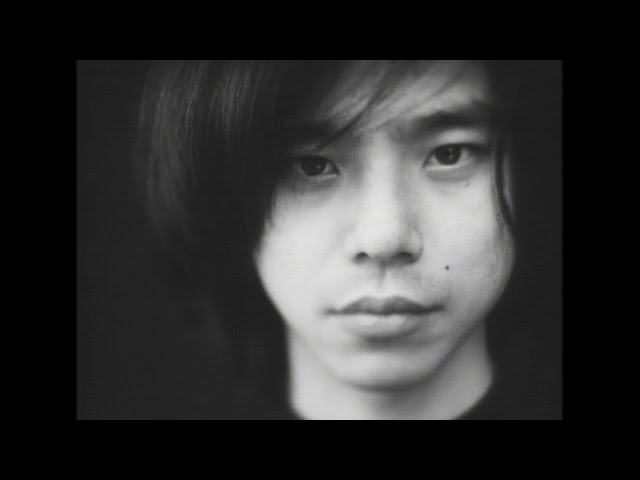
A signature song by Elephant Kashimashi, it sublimates the feeling of a heart wavering between everyday nihilism and hope into something beautiful.
The dramatic melody and Hiroji Miyamoto’s impassioned vocals resonate deeply with listeners.
Released by Pony Canyon in July 1997, it was used as the theme song for the drama “Because the Moon Shines at Night.” It became the band’s first entry into the Oricon Weekly Top 10 and a major hit with total sales of about 800,000 copies.
When you’re worn out by relationships or work and listen to this song, you can sense someone who struggles just like you yet still tries to face forward and live.
Like gentle moonlight softly illuminating the night, this is a song that stays close to your heart.
The Last RainYasushi Nakanishi9rank/position

This is the second single by Yasushi Nakanishi, a singer from Nara Prefecture, chosen as the theme song for the variety show “Hitachi Ashita P-KAN Kibun!” A long-running hit, it sold 900,000 copies from its 1992 release through 1998 and continues to be covered by various artists today.
Its heartrending lyrics and emotionally charged vocals evoke the loneliness and sorrow felt after parting with a lover.
A quintessential tearjerker of the 1990s, it’s a song that can bring you to tears no matter when you listen.

Poem of SunlightLe Couple10rank/position
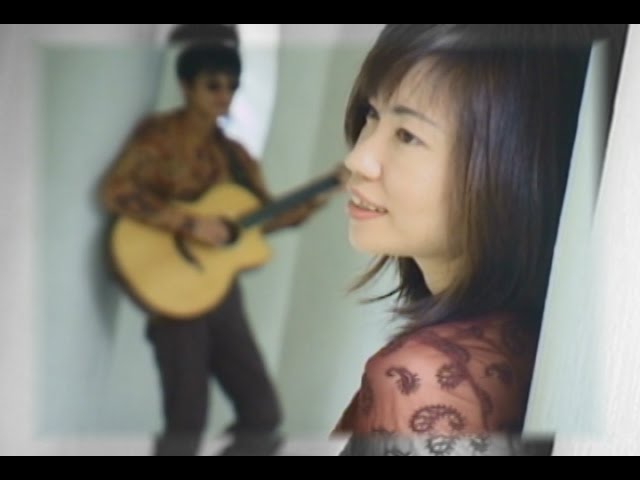
This is a song that has moved many people with its wistful melody and heartfelt lyrics.
It expresses the strength and warmth of accepting lost love and the passage of time, while still facing forward and living on.
Released in May 1997 as Le Couple’s fifth single, it was also included on the original soundtrack for the Fuji TV drama “Under One Roof 2.” It peaked at No.
2 on the Oricon chart and became a major hit, staying on the chart for 40 weeks.
It’s the perfect song for times when you’re tired or want to calm your mind, for a plan-free afternoon, or for nights spent alone.
Wrapped in gentle vocals, you’ll feel as if you’re basking in a warm patch of sunlight, enjoying a soothing moment.
Popular Nostalgic J-Pop Rankings [1990s Japanese Music Rankings] (11–20)
I don’t want to let go.T-BOLAN11rank/position

A four-piece rock band, T-BOLAN, which disbanded at the height of its popularity but reignited longtime fans’ passion when it resumed activities in 2017.
This is their second single.
The song was used as the ending theme for ‘’92 Paris–Le Cap’ and as an insert song in the TV drama ‘Hotel Woman,’ and is known as one of T-BOLAN’s signature ballads.
Its husky vocals and lyrical melody have captivated many listeners—some may still find themselves moved to tears even today.
It is an evergreen classic that represents the 1990s J-pop scene, an era renowned for its many masterpieces.
JAMTHE YELLOW MONKEY12rank/position

THE YELLOW MONKEY is a band that steadfastly upholds its own aesthetic, grounded in glam rock.
Released in February 1996, this song is a heavy rock ballad whose piercing, earnest message resonated widely.
It portrays a sharp gaze toward society and a thirst for life—touching on everyday loneliness and the unease felt toward overseas news coverage.
It was used as the ending theme for NHK’s music program “Pop Jam,” and its coupling track became the theme song for the anime Rurouni Kenshin.
When you want to feel the human vulnerability and quiet prayer that lie behind the dazzling sound, this is a track well worth listening to.
One more time,One more chanceYamazaki Masayoshi13rank/position

Masayoshi Yamazaki’s signature song, released in 1997, is a bittersweet yet beautiful ballad.
The yearning for lost love gently seeps into the listener’s heart, carried by Yamazaki’s soaring vocals.
Used as the theme song for the film “The Moon and a Cabbage,” it remained popular for many years thereafter.
It peaked at No.
18 on the Oricon Weekly Singles Chart and achieved the remarkable feat of staying on the charts for 24 weeks.
With its delicate, solo-accompanied melody, the song evokes not only a sense of loss but also a glimmer of hope for the future.
It surely gives voice to the feelings held in the hearts of many.
God of RomanceHirose Kōmi14rank/position

Kohmi Hirose’s signature song—still beloved as the quintessential winter anthem—was released in December 1993 and became a massive hit, topping the Oricon Weekly Chart into 1994.
Featured in a commercial for the sporting goods retailer Alpen, its upbeat four-on-the-floor rhythm and optimistic lyrics about wishes for love perfectly matched the winter sports boom of the time.
With cumulative sales exceeding 1.7 million copies, the track earned Hirose the title “Queen of Winter.” It’s a high-energy, feel-good tune that’s perfect for hyping up in the car on the way to the slopes, at the ski resort itself, or for anyone wanting to sing a winter classic at karaoke.