

Popular Nostalgic Songs: J-Pop Ranking [1990s Japanese Music Ranking]

We present the latest Top 100 ranking of classic Japanese pop songs all at once, ordered by most views! We’ve picked out nostalgic hits from the 1990s.
Listening again, you’ll notice many songs are still enjoying a revival today.
Be sure to check them out.
The playlist is updated weekly.
- Iconic ballads of 90s J-pop: nostalgic mega-hits and fan favorites
- Classic and hit J-pop songs from the nostalgic ’90s
- Classic and hit songs by nostalgic Japanese bands from the 1990s
- A collection of nostalgic hits from the Heisei era: Let’s look back at iconic songs from the 1990s and 2000s.
- A must-see for people in their 30s and 40s! A roundup of nostalgic 1990s commercial jingles
- 1990s J-Pop to listen to in summer: classic and hit summer songs
- Popular 80s hits for karaoke. Sing kayōkyoku and pop songs!
- Medley of Nostalgic Japanese Pop Hits from the 1990s
- [J-Rock] Timeless masterpieces that colored the 1990s. Nostalgic hit songs.
- Cool songs from the Showa era. Masterpieces from Showa that shine with sensuality, passion, and rugged charm.
- Tear-jerking J-pop from the ’90s. Hit songs and real tearjerkers.
- [40s] Popular Songs Ranking by Generation [2026]
- A heartbreak song that was a hit in the 90s. Classic and popular tracks in Japanese music.
Popular Nostalgic J-Pop Rankings [1990s Japanese Music Rankings] (11–20)
SAY YESCHAGE and ASKA15rank/position

CHAGE and ASKA is a music duo formed by high school classmates that gained popularity with songs featuring distinctive vocals and beautiful harmonies.
Their 27th single, “SAY YES,” used as the theme song for the TV drama The 101st Proposal, became a double-million seller.
Its contrast between dreamlike ensemble and love-filled lyrics likely evokes scenes from the drama for those of that generation.
It’s a signature 1990s hit that brought the name CHAGE and ASKA to widespread recognition.

Maplesupittsu16rank/position
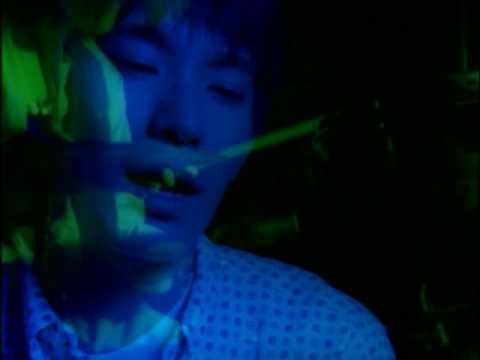
It’s a classic song about parting with someone dear, and it’s also famous for having been covered by many artists.
It’s a single released by the rock band Spitz in July 1998 from the album “Fake Fur.” The somewhat nostalgic tones of piano and guitar resonate in the heart, and Masamune Kusano’s vocals, which beautifully express longing and loneliness, seem to convey a sense of helplessness.
The piece portrays not only the sorrow of farewell but also a forward-looking resolve to hold those memories close and keep moving on, revealing something new with every listen.
It’s no wonder it has colored so many works across generations, such as the drama “silent.” It’s also a great choice to sing slowly and thoughtfully at karaoke while soaking in the autumn mood.
ALONEB’z17rank/position

B’z’s ninth single is a rock ballad that sings of the preciousness of love that shines brightest in loneliness.
Chosen as the theme song for the drama “Hotel Woman,” it topped the Oricon charts for two consecutive weeks and became a million seller.
The poignant feelings of a man who can only yearn for someone he cannot meet truly hit home.
The grand sound incorporating piano and synth, along with the emotive, tear-evoking guitar phrases, is unforgettable.
It’s a masterpiece that stays close to your heart when your feelings for someone special grow stronger.
LOVE LOVE LOVEDREAMS COME TRUE18rank/position

DREAMS COME TRUE is a band celebrated for its overwhelmingly powerful vocals—unusual by Japanese standards—and songs that are funky yet imbued with the sensibility of J-pop.
Their 18th single, “LOVE LOVE LOVE,” released as a double A-side with “Arashi ga Kuru” (“A Storm Is Coming”), was used as the theme song for the TV drama “Aishiteiru to Itte Kure” (“Say You Love Me”).
Its clear, translucent ensemble and love-filled message create a soothing charm that draws you in.
Among DREAMS COME TRUE’s many singles, it boasts the highest sales and stands as a quintessential ballad representing the J-pop scene of the 1990s.
I won’t fall in love anymore.Makihara Noriyuki19rank/position
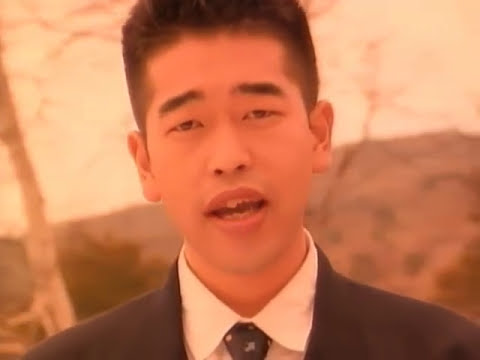
A gem-like ballad that delicately portrays the pain of heartbreak and the hope of taking a new step forward.
Noriyuki Makihara’s gentle vocals tenderly envelop the protagonist’s complex feelings as they struggle to accept a breakup with their lover.
While carefully depicting the loneliness and confusion felt in everyday life, it also resonates with the positive resolve hidden behind the words “I won’t fall in love anymore.” Released in May 1992, the song was used as the theme for the drama “After the Children Are Asleep,” reaching No.
2 on the weekly Oricon chart and No.
7 for the year.
It’s a song that stands as emotional support, accompanying you through the healing process of a broken heart.
I’m only gazing at you.Daikoku Maki20rank/position

Released in December 1993, this song marked a major turning point in Maki Ohguro’s career as the first ending theme for the TV Asahi anime SLAM DUNK.
The lyrics, depicting a woman who loses sight of herself by conforming too much to her lover, were written based on a friend’s real experience, and they convey a poignant emotion in contrast to the upbeat melody.
Her powerful vocals over the quintessential Being-style sound captured the hearts of not only anime fans but a wide audience, achieving a million sales in about three months after release.
It ranked eighth on the Oricon year-end chart and recorded an astounding total of approximately 1.236 million copies sold.
For anyone who has felt on the verge of losing their true self in love, this is a song that offers empathy and the courage to move forward.
Popular Oldies J-Pop Rankings [1990s Japanese Music Rankings] (21–30)
I want to see you.sawada chikako21rank/position

This is Chikaco Sawada’s eighth single, released in 1990, and it can be considered one of her signature songs.
It’s also noteworthy that Kazuo Zaitsu—known as a member of Tulip—composed the music.
The song conveys a poignant sense of longing throughout, depicting the growing swell of emotion as the singer looks back on parting with a loved one, recalling shared memories and words.
Although the farewell took place in winter, the way other seasons are the ones that come to mind suggests that the reality of the separation has not yet been accepted.
