

Popular Nostalgic Songs: J-Pop Ranking [1990s Japanese Music Ranking]

We present the latest Top 100 ranking of classic Japanese pop songs all at once, ordered by most views! We’ve picked out nostalgic hits from the 1990s.
Listening again, you’ll notice many songs are still enjoying a revival today.
Be sure to check them out.
The playlist is updated weekly.
- Iconic ballads of 90s J-pop: nostalgic mega-hits and fan favorites
- Classic and hit J-pop songs from the nostalgic ’90s
- Classic and hit songs by nostalgic Japanese bands from the 1990s
- A collection of nostalgic hits from the Heisei era: Let’s look back at iconic songs from the 1990s and 2000s.
- A must-see for people in their 30s and 40s! A roundup of nostalgic 1990s commercial jingles
- 1990s J-Pop to listen to in summer: classic and hit summer songs
- Popular 80s hits for karaoke. Sing kayōkyoku and pop songs!
- Medley of Nostalgic Japanese Pop Hits from the 1990s
- [J-Rock] Timeless masterpieces that colored the 1990s. Nostalgic hit songs.
- Cool songs from the Showa era. Masterpieces from Showa that shine with sensuality, passion, and rugged charm.
- Tear-jerking J-pop from the ’90s. Hit songs and real tearjerkers.
- [40s] Popular Songs Ranking by Generation [2026]
- A heartbreak song that was a hit in the 90s. Classic and popular tracks in Japanese music.
Popular Nostalgic Songs: J-Pop Ranking [1990s Japanese Music Ranking] (31–40)
Time goes byEvery Little Thing36rank/position

It’s one of the iconic J-POP masterpieces of the ’90s! Used as the theme song for the drama “Amai Kekkon” (Sweet Marriage), it became a track that remains in many people’s hearts.
Kaori Mochida of Every Little Thing delivers a strikingly clear, translucent vocal, and the lyrics about a bittersweet love really resonate.
Released in February 1998, it became a massive hit, reaching No.
2 on the Oricon charts.
Since then, it has continued to be loved as one of their signature songs, included on best-of albums and commemorative live recordings.
It’s a must-listen for anyone who has experienced heartbreak or parting, or who wants to feel a deep bond with someone special.
Endless JourneyMr.Children37rank/position

Mr.Children is a four-member rock band that has produced numerous million-selling singles and albums and continues to lead the J-pop scene today.
Their 15th single, “Owarinaki Tabi,” was used as the theme song for the TV drama “Naguru Onna” and became a major hit.
The lyrics, which sing of the value of keeping your eyes fixed forward while holding hope for the future, give courage to those who are pursuing their dreams while grappling with hardship.
With its lyrical melody that stirs the heart, it’s a track you’ll want to listen to when you’re on the verge of losing heart.

Someday Merry ChristmasB’z38rank/position

Despite being legends who have released numerous hit numbers, B’z continue to lead the Japanese rock scene from the front lines.
This track, included on the Christmas-themed concept mini-album “FRIENDS,” has become a staple Christmas song loved by a wide range of listeners, even though it was never released as a single.
Its story of projecting memories of a former lover onto people passing by on the street is likely to resonate especially with those fresh from a breakup.
Featuring acoustic guitar, the Christmas-tinged ensemble makes it a tried-and-true heartbreak song that evokes a sentimental mood.
I just feel like crying.Nagayama Miho39rank/position

This is the 28th single by Miho Nakayama—affectionately known as “Miporin”—released in February 1994.
Written specifically as the theme song for the TBS drama “If Wishes Could Come True,” it reached No.
1 on the Oricon Weekly Chart.
With total sales of approximately 1.048 million copies, it became her first million-selling single under her solo name.
The lyrics, which portray the protagonist’s wavering emotions as she watches her friends marry one after another and turns to face her own life, resonated with many listeners.
Featuring a calm arrangement centered on piano and strings, and a superb structure that moves from a conversational A-melody into an outpouring of emotion in the chorus, it stands as a quintessential 1990s J-pop ballad.
Don’t give upZARD40rank/position

ZARD, a music unit that was at the forefront of the Being label artists who exploded in popularity in the 1990s, achieved massive success with their 6th single, “Makenaide” (“Don’t Give Up”).
The song was used as the theme for the TV drama “Shiratori Reiko de Gozaimasu!” and became a million seller.
Its empowering lyrics and catchy melody have encouraged many people to find themselves humming it during tough times.
It’s also well-known for playing during the climax of Nippon TV’s charity program “24-Hour Television” marathon—a pop tune that gives you that extra push to take one more step.
Popular Nostalgic J-Pop Rankings [1990s Japanese Music Rankings] (41–50)
Glass BoyKinKi Kids41rank/position

This song, created by two giants of the pop world—Takashi Matsumoto and Tatsuro Yamashita—pairs the delicate, precarious emotions of youth with a dramatic melody.
Its blend of bittersweet kayōkyoku-style melancholy and sophisticated sound is sure to stir listeners to the core.
Did you know it was KinKi Kids’ debut single, released in July 1997 at the same time as the album “A album”? It became a massive hit, with cumulative sales of 1.793 million copies, and was chosen as the entrance march for the 70th Anniversary National High School Baseball Invitational Tournament—an enduring number etched into J-pop history.
Brimming with the fragility and clarity of adolescence, this classic is one you’ll want to hear if you’re in the mood to reminisce about bittersweet memories of the past.
The End of the WorldTHEE MICHELLE GUN ELEPHANT42rank/position
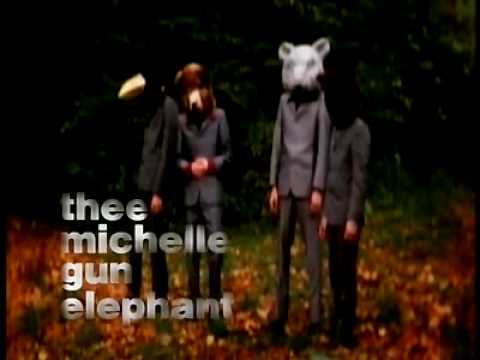
When it comes to bands that drove the rock scene of the 1990s, THEE MICHELLE GUN ELEPHANT is the first that comes to mind.
Their 1996 release Sekai no Owari (The End of the World) is a track whose straightforward band sound really hits home.
The lyrics penned by vocalist Yusuke Chiba have a certain philosophical edge, and his cool, gravelly voice leaves a strong impression.
Their appearance performing in mod suits is striking, and they convey the raw appeal of the instruments themselves.
Not only their songs, but also their look and performance style influenced later generations of band musicians—lend an ear to their rock.
