

Popular Nostalgic Songs: J-Pop Ranking [1990s Japanese Music Ranking]

We present the latest Top 100 ranking of classic Japanese pop songs all at once, ordered by most views! We’ve picked out nostalgic hits from the 1990s.
Listening again, you’ll notice many songs are still enjoying a revival today.
Be sure to check them out.
The playlist is updated weekly.
- Iconic ballads of 90s J-pop: nostalgic mega-hits and fan favorites
- Classic and hit J-pop songs from the nostalgic ’90s
- Classic and hit songs by nostalgic Japanese bands from the 1990s
- A collection of nostalgic hits from the Heisei era: Let’s look back at iconic songs from the 1990s and 2000s.
- A must-see for people in their 30s and 40s! A roundup of nostalgic 1990s commercial jingles
- 1990s J-Pop to listen to in summer: classic and hit summer songs
- Popular 80s hits for karaoke. Sing kayōkyoku and pop songs!
- Medley of Nostalgic Japanese Pop Hits from the 1990s
- [J-Rock] Timeless masterpieces that colored the 1990s. Nostalgic hit songs.
- Cool songs from the Showa era. Masterpieces from Showa that shine with sensuality, passion, and rugged charm.
- Tear-jerking J-pop from the ’90s. Hit songs and real tearjerkers.
- [40s] Popular Songs Ranking by Generation [2026]
- A heartbreak song that was a hit in the 90s. Classic and popular tracks in Japanese music.
Popular Oldies and J-Pop Ranking [1990s Japanese Music Ranking] (51–60)
Surely more than anyone else in the worldNagayama Miho & WANDS57rank/position

This is a legendary duet song by Miho Nakayama & WANDS, also known as the theme song of a drama that became a major hit starring Miho Nakayama.
Produced by Being and composed by Tetsuro Oda, it was created by a lineup that epitomized the 1990s music scene.
The earnest lyrics about believing in a fateful reunion are deeply moving.
Many listeners were surely captivated by the interplay between Miho Nakayama’s clear, crystalline vocals and WANDS’ Sho Uesugi’s passionate singing.
The chorus, where their voices intertwine, brims with the exhilaration of a miraculous moment.
It’s a timeless, gem-like love song.
Bye For NowT-BOLAN58rank/position

A gem of a ballad that has etched itself into many hearts as a supportive song about a beautiful farewell.
Released by T-BOLAN in November 1992, it was used as the theme song for Woman Dream and impressively became a million-seller.
Its powerful message—singing of the courage and hope to move toward one’s dreams after overcoming the loneliness of parting—deeply resonates with listeners.
It remains a beloved song more than 30 years after its release, one you’ll want to hear when parting from someone dear, at graduation ceremonies, or at the start of a new journey.
Also included on the albums HEART OF STONE and SINGLES, it shines as one of T-BOLAN’s signature masterpieces.
Forever LoveX JAPAN59rank/position

It’s the ultimate ballad that epitomizes the band’s extraordinarily dramatic history.
The magnificent orchestration and the piano melodies performed by YOSHIKI intertwine with Toshi’s poignant yet powerful high-tone vocals to superbly convey the grand theme of eternal love that endures even after losing the one you love.
Released in July 1996, this song was also included on that year’s masterpiece album, Dahlia.
Chosen as the theme song for the theatrical animated film X, based on CLAMP’s work, and later featured in a commercial starring Junichiro Koizumi, it became a classic widely known beyond the band’s fanbase.
On nights when you’re thinking of someone dear, listening while immersing yourself in its expansive world will move you to tears with its profoundly emotional resonance.
I want to shout that I love you.BAAD60rank/position

The moment that intro rings out, I bet many of you feel a sudden heat well up in your chest.
As the theme song of the anime SLAM DUNK, it’s an immortal classic by BAAD that represents the Being sound of the ’90s.
Kyoji Yamada’s husky voice, laced with a sense of urgency, sings of the frustration of never becoming more than friends, squeezing the listener’s heart in the process.
The chorus, where feelings burst out straight and raw, is a true cry of the soul.
It overlaps with the passionate drama of the story’s characters, wrapping you in a rush that makes the scenes unfold right before your eyes.
It’s a timeless anthem of youth, isn’t it?
Popular Nostalgic Songs / J-Pop Ranking [1990s Japanese Music Ranking] (61–70)
There will be love there -Ainō Aru Basho-the brilliant green61rank/position

For people in their late 40s to 50s, it’s a song that makes you instantly go, “Ah, it’s BuriGuri!”—one of the signature tracks by the brilliant green, who churned out hit after hit in the ’90s.
Not only the song, but vocalist Tomoko Kawase’s hairstyle and fashion struck a deep chord with women of the time who were chasing a new era.
In today’s terms, it was “cutting-edge”! The brilliant green had consistently released songs with English lyrics, but since this track was chosen as a TV drama theme, they released it in Japanese for the first time.
Plenty of men were also captivated by her fairy-like voice, right?
I should be able to fly (in the sky).supittsu62rank/position
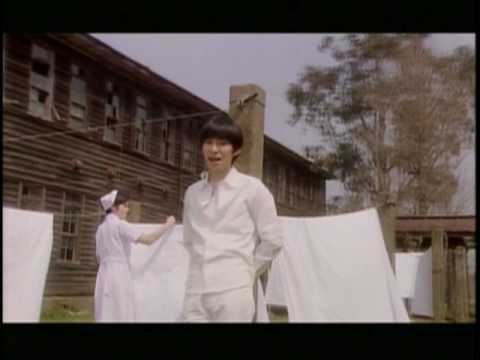
This is Spitz’s eighth single, released in April 1994.
It was originally written for a different TV drama but wasn’t selected and was instead released as a single.
Later, in 1996, it was chosen as the theme song for the Fuji TV drama “Hakusen Nagashi,” bringing it back into the spotlight and earning it the No.
1 spot on the Oricon weekly chart.
It became a million-selling classic.
The lyrics poetically capture the unique struggles of adolescence, a vague anxiety about becoming an adult, and the feeling of one’s heart being set free by staying close to someone.
Alongside sweet romance, it weaves in the harshness of reality and a sense of loneliness, yet its forward-looking stance truly resonates.
The airy guitar riff and Masamune Kusano’s crystal-clear vocals gently envelop the listener.
It’s a pop tune that continues to be loved across generations, accompanying life’s milestones—like graduation ceremonies and the start of new chapters.
YAH YAH YAHCHAGE and ASKA63rank/position

It is an aggressive track emblematic of the ’90s, infused with power and passion for the future.
Even when faced with difficult circumstances, its message of unwavering resolve to stay true to oneself and keep moving forward, along with hope for the future, continues to resonate across generations.
The song channels the passion of chasing dreams and an unyielding stance in the face of trials through a powerful rock sound.
Released by CHAGE and ASKA in March 1993, it was used as the theme song for the drama “If You Turn Around, He’s There,” topped the Oricon Weekly Chart for two consecutive weeks, sold 2.419 million copies, and ranked first on the annual singles chart.
It’s highly recommended for those who want to challenge themselves in pursuit of their dreams without fear of failure, or for anyone standing at a major crossroads in life.
It’s sure to give you courage.