

Popular Enka. Latest Rankings [2026]

We’re excited to present the latest top 100 enka hits from the monthly popularity rankings, listed in order of most views! Enka is a uniquely Japanese music genre.
With a long history, it continues to captivate devoted fans today—so be sure to check it out! The playlist is updated every month.
- Popular Enka Singers Ranking [2026]
- Enka Karaoke Popularity Rankings [2026]
- [2026] Recent hit enka songs: must-watch popular kayō tracks
- Enka Singer Popularity Ranking in Karaoke [2026]
- [March 2026] Latest Enka and Kayōkyoku roundup. Check out the buzzworthy new songs!
- [2026] All-Time Enka Sales Ranking
- Ranking of Beloved Hit Songs Among Women [2026]
- [2026] Representative Famous Enka Songs: A Compilation of Classic Favorites [Beginner-Friendly]
- [Revisited] A roundup of popular and classic Showa-era songs that are trending now [2026]
- Hiroshi Itsuki Popular Songs Ranking [2026]
- Hikawa Kiyoshi Popular Songs Ranking [2026]
- [50s] Popular Song Ranking by Generation [2026]
- Ranking of Popular Nostalgic Songs and Classics [2026]
Popular enka. Latest rankings [2026] (91–100)
Mount IwakiMiyama Hiroshi96rank/position

Set against the majestic Mount Iwaki, a famed peak in Aomori Prefecture, this song powerfully portrays a man’s inner emotions.
Hiroshi Miyama’s warm “vitamin voice” addresses Mount Iwaki as it paints a picture of life’s journey and personal growth.
Released in February 2015, it reached No.
13 on the Oricon Weekly Singles Chart, stayed on the charts for 75 weeks, and achieved Gold certification in September of the same year after surpassing 100,000 copies sold.
With lyrics written from a male perspective and Miyama’s expansive vocals, it’s a masterpiece that captured many hearts.
Listeners familiar with enka should be able to fully express the song’s grand worldview.
It’s especially recommended when you want to sing with feelings for your family or someone important to you.
The Northern CliffsYamauchi Keisuke97rank/position

This work gives voice to a woman’s aching heart, as if the sea breeze were piercing her chest.
Released in February 2025 to commemorate Keisuke Yamauchi’s 25th anniversary since debut, it perfectly pairs his powerful vocals with a melody that conveys emotions with no place to go.
Set against the sheer cliffs of the north, it portrays lingering attachment, frustration, and a loss of hope for tomorrow.
It is a song that will surely stay close to the hearts of those bearing the pain of love.
Traveler of the NorthIshihara Yūjirō98rank/position

A gem of a song by Yujiro Ishihara that tenderly portrays a man’s aching heart as he searches for a lost love against the backdrop of the northern lands.
Blended with the harsh natural environment, his melancholic vocals resonate deeply.
Released in August 1987, the piece was also used as an insert song for the TV Asahi drama “Seibu Keisatsu.” A mood-kayo number that makes the most of his deep voice, it vividly conveys northern landscapes and the sentiment of travel.
With a narrow melodic range and a relaxed tempo, it’s a song that’s easy to try at karaoke.
Recommended for those who want to savor Ishihara’s unique aura.
Anemone flaccida (nirinsō; literally “two-flowered anemone”)kawanaka miyuki99rank/position
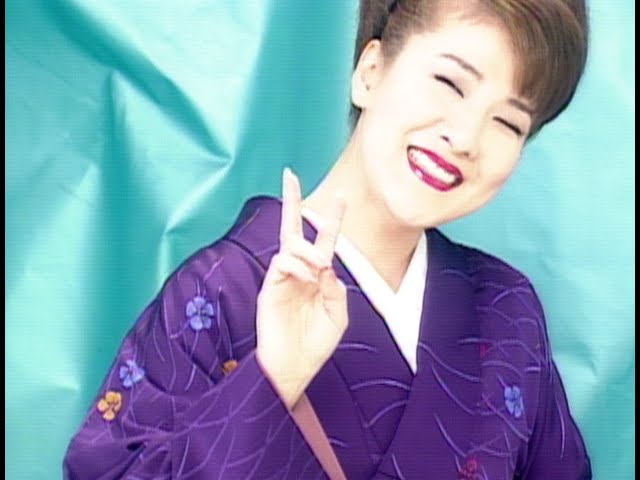
Among Miyuki Kawanaka’s songs, “Nirinsō” stands out as one of the most well-known, with sales reaching one million copies.
Kawanaka herself released an album titled “Shiawase Enka,” and it’s fitting that “Nirinsō” is the first track—its bright, upbeat tone is distinctive and seems to symbolize the “sunny” side of enka, which expresses the full spectrum of life’s emotions.
For enka fans, it needs no introduction, and it’s also immensely popular at karaoke, so there’s no need for excessive commentary.
For beginners, however, practicing this song can be a great way to learn fundamental enka techniques like vibrato and kobushi.
If the high notes are tough, adjust the key to suit your voice, study the wonderful lyrics, and sing with feeling.

hay feverIchikawa Yukino100rank/position

Hanawazurai is a striking piece with a melody that exudes allure and passion.
While it carries the distinctive luster of enka, it also contains a generous dose of Showa-era pop essence.
In fact, elements typical of enka—such as the kobushi vocal ornament—rarely appear in the vocal line; the enka quality remains more of an atmospheric impression.
Because Showa pop forms the foundation, the vocal line is inherently less demanding, so if you sing with careful attention to dynamics and phrasing, it will sound professional.
