

Felix Mendelssohn Popular Songs Ranking [2026]

Felix Mendelssohn is known for having shown exceptional musical talent as a child prodigy from an early age.He was an important composer who had an extremely significant impact on the 19th-century music world, including reviving the music of Bach.His music is romantic and evokes majestic scenes of nature.Here is a ranking of some of his most popular pieces.
- Mendelssohn’s Masterpieces | Popular Classical Music
- Frederic Chopin Popular Songs Ranking [2026]
- Robert Schumann Popular Song Ranking [2026]
- Johannes Brahms Popular Songs Ranking [2026]
- J.S. Bach Popular Songs Ranking [2026]
- Franz Schubert Popular Songs Ranking [2026]
- Carl Maria von Weber Popular Song Rankings [2026]
- Bedřich Smetana Popular Songs Ranking [2026]
- Ludwig van Beethoven Popular Songs Ranking [2026]
- Franz Liszt Popular Song Ranking [2026]
- Richard Wagner Popular Songs Ranking [2026]
- Anton Bruckner Popular Songs Ranking [2026]
- Georg Philipp Telemann Popular Songs Ranking [2026]
Felix Mendelssohn Popular Song Rankings [2026] (71–80)
Songs Without Words, Book I, Op. 19 No. 2 “Regret”Felix Mendelssohn71rank/position

The A minor piece included in Book I of Lieder ohne Worte is a work of poignant beauty.
Unfolding at a gentle Andante tempo, its tender, sorrow-tinged melody and simple yet effective accompaniment convey profound emotion.
Published in London in 1832, this piece succeeds in communicating feeling through music alone, without words, distilling the allure of the Romantic piano repertoire.
It is a recommended listen for moments of melancholy, when you simply wish to sit quietly and hear.
Songs Without Words, Book I, Op. 19: No. 3 “Hunting Song”Felix Mendelssohn72rank/position

Songs Without Words is a collection of solo piano pieces published in 1832, featuring melodies that sing without lyrics.
The set comprises eight volumes with 48 pieces, and this particular work is distinguished by its lively character depicting a hunting scene.
With an energetic rhythm and dynamic melody, it evokes the feeling of riding out on horseback for a hunt.
Mendelssohn’s hallmark refined melodic beauty stands out, making it appealing not only to classical music enthusiasts but also to those who enjoy playing the piano.
It’s also interesting that, in response to the demands of salon music at the time, the pieces were composed in a way that made them accessible for amateur pianists to perform.
Songs Without Words, Book I, Op. 19, No. 4: A Secret ConversationFelix Mendelssohn73rank/position

This is a gentle miniature whose calm, graceful melody seeps into the heart.
Written in 1830, the piece lets its melody flow as if singing, giving the impression of confiding a secret feeling to someone.
It’s approachable for anyone who can read music, built from a simple left-hand accompaniment and a richly expressive right-hand melody.
Its charm lies in a slow tempo that unfolds like storytelling, and despite having no lyrics, it carries abundant emotional expression.
It’s an excellent choice for those who wish to savor the elegance of Romantic music or refine their expressive touch.
Why not take your time, enjoy the tranquil passage of time, and practice it with care?
Songs Without Words, Book I, Op. 19, No. 6: Venetian Boat Song No. 1Felix Mendelssohn74rank/position

Did you know that it was Mendelssohn who is said to have been among the first in the classical field to incorporate the “barcarolle,” modeled after the songs gondoliers were said to hum on the waters of Venice? His Songs Without Words contains three Venetian Gondola Songs, with No.
3 being the most famous.
This time, however, following the theme of pieces that are relatively easy to play, I’ll introduce Venetian Gondola Song No.
1 from Book I of Songs Without Words.
In the characteristic 6/8 meter of a barcarolle, the left-hand accompaniment beautifully evokes the motion of a gondola rocking on the waves.
There are no complex techniques, and simply following the notes is not difficult, but getting comfortable with the 6/8 rhythm is crucial.
Try to feel it in two beats rather than six, and while the left-hand accompaniment is steady, avoid making it too mechanical—play while imagining the gondola’s movement, as mentioned earlier.

Songs Without Words, Book II, Op. 30, No. 1: MeditationFelix Mendelssohn75rank/position
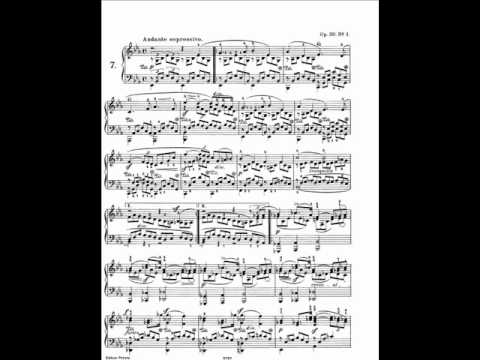
This work, notable for its slow and gentle melody in E-flat major, is one of the pieces from the Songs Without Words published in Bonn in May 1835.
Evoking the atmosphere of quiet meditation, it combines rich lyricism with relatively modest technical demands.
Cast in ternary form, it features a coherent structure and simple yet profound emotional expression, making it a valuable teaching piece for developing a pianist’s expressiveness.
It is an ideal choice for those looking to broaden their repertoire or seeking a calm, reflective piece.
Livia Rév’s 1986 recording received France’s Grand Prix du Disque and is highly acclaimed for its delicate interpretation.
Songs Without Words, Book II, Op. 30, No. 3, ConsolationFelix Mendelssohn76rank/position

Although Songs Without Words is relatively easy and often used as practice material for children, the level of difficulty does vary somewhat across its 48 pieces.
This Consolation from Book II, Op.
30 is likely among the easiest, making it an ideal choice for your first foray into the collection.
While the piece does not have a complex structure, be sure to pay close attention to slurs and dynamic markings as you play.
It tends to be a rather subdued work and can easily be rendered too plainly, but if you keep a calm, unhurried tempo—without letting it become too slow—and add clear, thoughtful expression in key spots, you’ll be able to bring out the music’s refined beauty.
Songs Without Words, Book II, Op. 30, No. 3 “Consolation”Felix Mendelssohn77rank/position

Although the Songs Without Words are relatively easy and often used as practice material for children, the difficulty does vary somewhat across the 48 pieces.
This Consolation from Book II, Op.
30 is likely among the easiest, making it an ideal choice for a first foray into the Songs Without Words.
The piece isn’t structurally complex, but be sure to pay close attention to slurs and dynamic markings as you play.
Keep a calm, unhurried tempo without going too slow, and shape each section with clear expression—this will help bring out the piece’s refined beauty.
Songs Without Words, Book II, Op. 30, No. 6: Venetian Boat SongFelix Mendelssohn78rank/position

This is a piece included in Mendelssohn’s Songs Without Words.
Mendelssohn is said to have been fond of the wistful melodies sung by Venetian gondoliers, and the gently undulating waves and the accompanying motion of the boat are expressed through a relaxed, flowing melody.
Songs Without Words, Book II, Op. 30, No. 6 “Venetian Boat Song”Felix Mendelssohn79rank/position

Felix Mendelssohn, a German composer known for his graceful melodies and delicate emotional expression.
This piece from his celebrated Songs Without Words is a gem that paints the beautiful scenery of Venice in music.
Published in 1835, it was composed to celebrate the birth of Mendelssohn’s sister Fanny’s son.
Over an accompaniment that evokes the gentle sway of a gondola, the piano’s elegant melody vividly depicts a Venetian night.
It’s recommended not only for lovers of Romantic music but also for anyone seeking solace in tender, soothing tones.
Songs Without Words, Book III, Op. 38, No. 4: HopeFelix Mendelssohn80rank/position

This is a charming piece with a calm, approachable melody.
Carefully selected from the album Songs Without Words, it features a graceful tune in A major that resonates deeply.
While tranquil, it carries an air of hope, with the right-hand melody and left-hand accompaniment blending beautifully.
There is little hand crossing, and the score is simple, so with steady, unhurried practice, you will be able to play it confidently.
Published in 1837 and intended for home performance, this work offers a joyful way to practice while refining delicate expressive skills.
Start by firmly grasping the melodic line, then gradually deepen your expression to cultivate a rich musicality.