

Women's Popular Karaoke Rankings [2026]

Introducing the top 100 songs from the women’s karaoke popularity rankings, all at once, ordered by the number of views!
If you’re wondering, “What should I sing at karaoke?”, be sure to check out this ranking and prepare in advance!
We’ve included everything from guaranteed crowd-pleasers to stunning, stop-you-in-your-tracks tracks.
Playlists are updated weekly!
- Top Karaoke Songs That Get 20-Somethings Hyped [2026]
- [For People in Their 40s] Karaoke Songs That Are Easy to Sing: 2026 Ranking
- [Women] Easy-to-Sing Karaoke Songs Ranking [2026]
- Songs Men Want Women to Sing at Karaoke: Irresistible Tracks [2026]
- Ranking of Beloved Hit Songs Among Women [2026]
- Karaoke That Gets Everyone Excited: Women’s Rankings [2026]
- Karaoke Popularity Ranking by Generation [50s] [2026]
- [Women] Karaoke Crowd-Pleasers Ranking [2026]
- [For Teenage Girls] Songs That Score High Easily at Karaoke [2026]
- [For Women in Their 40s] A Collection of Songs That Score High at Karaoke [2026]
- [Women] Popular Japanese Karaoke Songs Ranking [2026]
- [For People in Their 50s] Ranking of Easy-to-Sing Karaoke Songs [2026]
- [High School Students] Karaoke Songs That Are Easy to Sing: Ranking [2026]
[Women] Popular Karaoke Rankings [2026] (1–10)
rainbow-coloredayaka8rank/position

“Nijiiro” was sung by many people in vocal training as well.
Of course, many also chose “Mikazuki,” but “Nijiiro” was especially popular because people said, “I can sing it without straining!” Indeed, during lessons, everyone seemed to relax well and found it easy to sing.
The overall range is F#3 to D5, which looks wide if you only consider the range, but since F#4 is used the most, there’s no need to be overly tense.
Also, for the flowing melody in the pre-chorus, if you don’t articulate every word too clearly and just go with the flow, you can avoid getting stuck.
For the last part of the chorus, if you sing each note carefully, it feels good and helps you stay on pitch.
There are points to focus on for each section of the melody, but you’ll likely find it easy to sing—so definitely try learning it.

youUtada Hikaru9rank/position
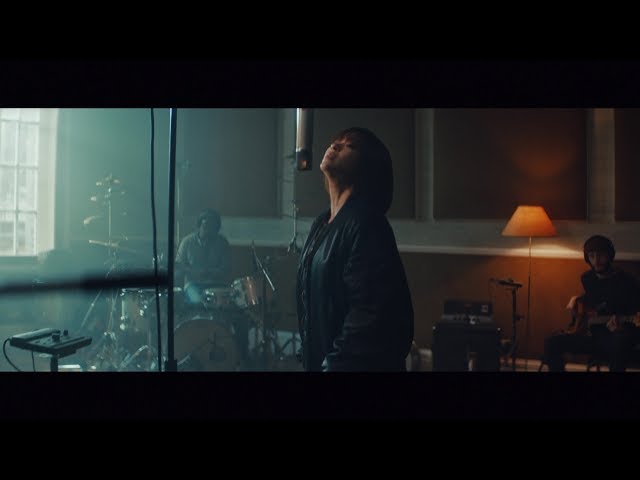
A song in which Hikaru Utada’s voice, brimming with deep love and tenderness, warmly embraces the listener’s heart.
It begins with a quiet piano melody, and the majestic sound woven by the strings beautifully expresses the depth of feelings for a loved one.
Released digitally in December 2017, this track was written as the theme song for the film “DESTINY: The Tale of Kamakura,” and is said to depict a mother’s cherished feelings for her child.
It’s also popular at weddings and makes a perfect gift as a song that conveys heartfelt emotions at moments when you want to deepen your bond with someone you love.
Marigoldaimyon10rank/position

Singer-songwriter Aimyon is loved by a wide range of generations for her nostalgic melodies and lyrics that resonate with the heart.
Released in August 2018 as her fifth single, this song has become one of her signature tracks, surpassing 300 million streams.
The fact that it achieved such popularity without any tie-in is a testament to the song’s universal appeal.
Layering the peaceful everyday moments with a loved one over radiant memories of summers past, it expresses a powerful desire to never be apart.
The sound is catchy yet tinged with nostalgia, making it an easy crowd-pleaser at karaoke.
It’s a perfect classic for those who cherish time with their partners and for people in their twenties who want to bask in the memories of their youth.
[Women] Popular Karaoke Rankings [2026] (11–20)
ORIONNakajima Mika11rank/position

A quintessential winter ballad produced as an insert song for the drama “Ryusei no Kizuna,” it’s a track more people are likely to sing as winter comes around.
Since it’s a ballad with a relaxed tempo, a careful, precise start is important to keep your pitch steady.
The A and B verses sit quite low, so be mindful not to go off pitch there.
For low notes, try singing in a whisper-like manner; letting the breath flow will make it easier to match pitch.
The chorus rises higher, so avoid suddenly forcing it with your throat—aim to resonate in the same place throughout and keep that consistent focus as you sing.
366 daysHY12rank/position

A signature “tearjerker” song known for its overwhelmingly relatable lyrics and heartrending vocals.
Though released in 2008, it became the motif for a TV drama in 2024 and a film in 2025, and vocalist Izumi Nakasone has collaborated with various artists—proof that the song has been loved for a long time.
It’s also famous as a “high-scoring” karaoke pick; I can actually score over 90 on it, so I highly recommend it.
While it’s on the longer side, the structure is easy to grasp, with clear peak moments that make expressive singing more attainable.
For the long tones, watch the pitch bar and sustain firmly to the end, and be mindful of switching between chest voice and falsetto.
The Future Projection IIDREAMS COME TRUE13rank/position

DREAMS COME TRUE’s signature song “Mirai Yosouzu II.” When it comes to DCT ballads, this is the one, right? Lots of people probably sing it at karaoke.
First, since the opening notes are quite high, be careful not to let your guard down from the very start.
If you listen closely to the intro and form a clear image of the pitch, you should be fine.
Also, because the tempo is relaxed, try to sing carefully without letting phrases run together, almost as if you’re placing each note.
In the chorus, the melody goes into a higher range, so sing boldly and hit the pitches with a grand, expansive feel.
Unfit to be a loverKoresawa14rank/position

Koresawa is an artist who performs without showing her face, taking the stance of “I want you to listen to the songs, not look at my face.” The teddy bear you often see seems to stand in for her! Now, since “Koibito Shikkaku” has no intro, make sure to clearly imagine the opening pitch before you start singing.
If you switch between chest voice and falsetto for the A melody, B melody, and the chorus, you may find it easier to hit the pitches accurately.
If you sing carefully with the scoring system in mind, you should be able to get higher marks.
Give it a try and practice!