

Takashi Hosokawa Popular Song Rankings [2026]

He, who can be considered a grand master among Japanese enka singers, is a certified performer of the Min’yō Mihashi school and also goes by the name Michitaka Mihashi.
Renowned for his overwhelming vocal prowess, he produced numerous hit songs such as “Yagiri no Watashi” and “Naniwabushi Dayo Jinsei wa.”
Here is a collection of his popular tracks.
- Takashi Hosokawa Popular Song Rankings [2026]
- Hiroshi Itsuki Popular Songs Ranking [2026]
- Popular Songs Ranking of Saburo Kitajima [2026]
- Mitsuhiro Mihashi Popular Song Rankings [2026]
- Hikawa Kiyoshi Popular Songs Ranking [2026]
- [Treasure of Powerful Enka] Takashi Hosokawa’s Easy-to-Sing Songs
- Karaoke Popular Song Ranking of Ikuzo Yoshi [2026]
- Kohei Fukuda Popular Song Ranking [2026]
- Enka Karaoke Popularity Rankings [2026]
- Sayuri Ishikawa Popular Song Ranking [2026]
- Classic enka songs you’ll want to sing at karaoke: recommended popular tracks
- Yukio Hashi’s Popular Song Rankings [2026]
- Yoshi Ikuzo Popular Song Rankings [2026]
Takashi Hosokawa’s Most Popular Songs Ranking [2026] (31–40)
Here comes the new fight song!Hosokawa Takashi & Mori Konomi36rank/position

This song by Takashi Hosokawa and Konomi Mori is a lively, high-spirited duet.
Their mentor–protégé voices blend beautifully, giving listeners courage and hope.
Based on the original version released in 1991, this remake from October 2018 was also used in a beer commercial and became popular across generations.
With its positive message and upbeat rhythm, it’s sure to liven up any celebration—weddings, longevity festivities, New Year’s parties, and more.
It’s a highly recommended cheer song that everyone, from young people to seniors, can enjoy singing together.
Osomatsu-kun OndoHosokawa Takashi37rank/position

It’s the theme song for the gag manga by the famed Fujio Akatsuka.
Even though the lyrics string together some rather silly lines, Takashi Hosokawa, an enka singer, delivers them in a way that turns it into a respectable piece of music.
The original lyrics have three full verses.
I’ll sing a cheer song.Hosokawa Takashi38rank/position
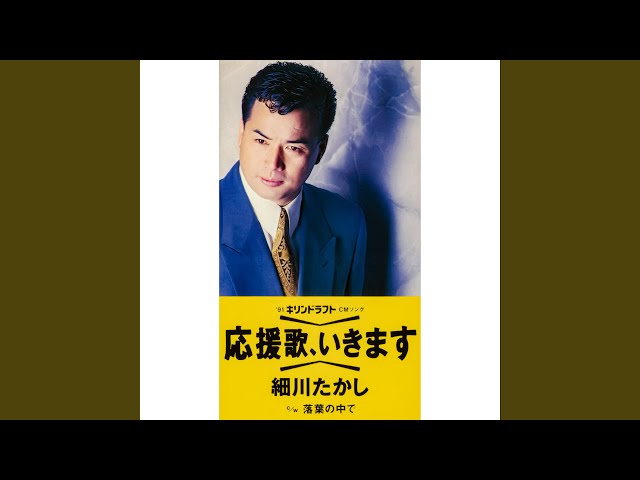
Takashi Hosokawa won the Japan Record Award two years in a row in 1982 and 1983 with “Kita Sakaba” and “Yagiri no Watashi,” but it seemed his popularity dipped a bit afterward.
Amid that, this 1991 release was featured in a commercial for Kirin Brewery’s ‘Kirin Draft,’ and it became a hot topic.
It’s a song whose quietly reflective lyrics convey the feel of life.
At the end, the line “Gutto ikō yo, ○○-kun” is typically sung by swapping in someone’s name on the spot for fun.