

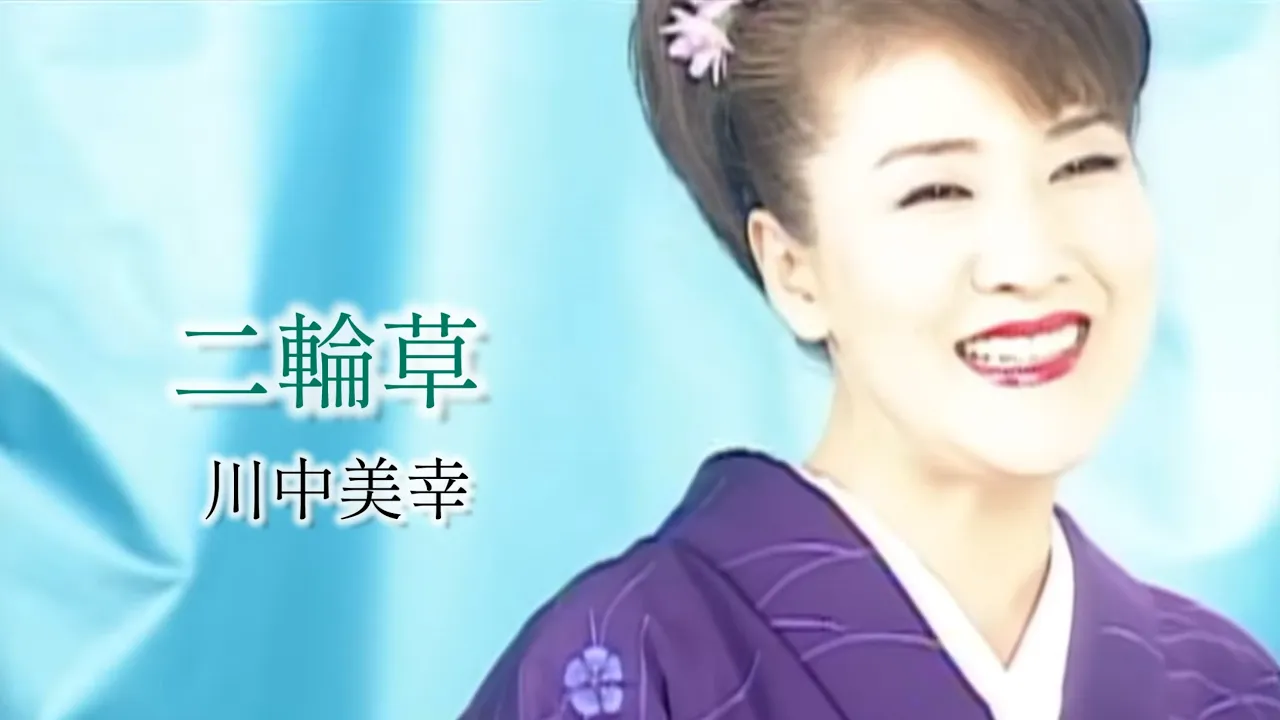
Breakout after her re-debut! Introducing a ranking of Miyuki Kawanaka’s popular songs

Miyuki Kawanaka is an enka singer who first debuted in 1973 under the stage name Harumi Kasuga, but without a hit to her name, she made a re-debut in 1977.
Her skill and popularity are evident from the fact that she has appeared on NHK’s Kōhaku Uta Gassen more than 20 times.
In 2010, she also appeared in the NHK morning drama Teppan, among other acting work.
In this article, we’ll introduce a ranking of Miyuki Kawanaka’s most popular songs.
Whether you’re a longtime enka fan or from a younger generation, be sure to check it out!
Breakthrough After Her Comeback! Introducing Miyuki Kawanaka’s Most Popular Songs (1–10)
Anemone flaccida (nirinsō; literally “two-flowered anemone”)kawanaka miyuki1rank/position
Have you heard of the delicate white flowers that bloom in clusters after enduring a harsh winter? This masterpiece, one of Miyuki Kawanaka’s signature songs, overlays their image with the bond of a married couple.
Released as a single in 1998, it later became a massive hit, selling over one million copies.
The story of a monument to the song being erected in a park in Itabashi Ward, Tokyo, also speaks to how deeply loved it is by so many people.
The warm lyrics addressing “you” evoke the very scene of a couple who have spent many years together.
Just humming it brings a gentle feeling, and it’s best enjoyed while listening slowly in the spring sunshine.
How about spending a peaceful moment recalling the days you spent with someone dear?
Two-person sakekawanaka miyuki2rank/position

Miyuki Kawanaka’s classic “Futari Sake” is distinguished by its warm, memorable melody.
It’s an orthodox enka piece imbued with a sense of melancholy.
As with typical enka, the challenging kobushi ornament appears multiple times; however, roughly a third of these are not pitch-bending turns so much as kobushi that apply vibrato.
Because this type of kobushi is far easier than the regular kind, the song can definitely be considered an easy one.
Do add it to your repertoire.

Bungo Channelkawanaka miyuki3rank/position

Released in 1988 as a single by Miyuki Kawanaka, “Bungo Channel” is a masterpiece by the legendary duo Akuyu and Takashi Miki, who produced countless classics in Japanese music history.
It is one of Kawanaka’s signature songs, frequently covered by subsequent enka singers and highly popular in karaoke.
It’s a quintessential enka number steeped in a melancholy that resonates with the Japanese heart.
While it fully incorporates hallmark enka techniques such as vibrato and kobushi, the melody itself isn’t overly complex, making it relatively easy to sing.
When performing it, try to be mindful of the contrast between the calm A-melody and the chorus that highlights soaring high notes, and aim to express that contrast effectively.

Echizen Capekawanaka miyuki4rank/position

Miyuki Kawanaka is a highly accomplished singer who has brought numerous enka songs to the world.
Her 1980 release “Futarizake” is well known.
Her song “Echizen Misaki,” released on August 5, 1982, is a masterpiece that sings of a poignant love.
In this piece, Kawanaka expresses her profound feelings for a beloved far away with a powerful voice.
The lyrics delicately portray the sorrow of unfulfilled feelings and unwavering love, deeply moving listeners.
It is a recommended song for anyone with a straightforward, earnest love, and a work that showcases Kawanaka’s exceptional expressive power.
Tomorrow is more than todayYamada Kuniko, Kawanaka Miyuki5rank/position

Sung with heartfelt emotion by Kuniko Yamada and Miyuki Kawanaka, “Ashita wa Kyou yori” is a song of encouragement that stands beside older adults who have lived through difficult times.
Life shines not with just seven colors, but with a blend of many more hues.
Its lyrics, which speak to the importance of living for yourself, gently nudge you forward when you feel close to losing hope.
It’s a song that gives you the courage to face forward—something especially needed in our times.
To my belovedkawanaka miyuki6rank/position

Listening to the chorus of this song, many people from the generation familiar with the ’90s will probably be reminded of House Foods’ instant ramen “Umaissho” commercial.
It’s a single released in 1994 by Miyuki Kawanaka, packed with J-pop flavor and a bit removed from classic enka.
Even those who aren’t fond of full-on enka will likely find it an easy song to try at karaoke.
Of course, techniques honed in enka—like vibrato—show up throughout, but it’s nice that the melody still feels good to sing even without vibrato.
Once you get used to it, listen closely to Kawanaka’s original performance and try gradually incorporating vibrato.
Lantern flowerkawanaka miyuki7rank/position

Released in 1996 and a long-running hit, “Chochin no Hana” is one of Miyuki Kawanaka’s signature songs of the 1990s, with lyrics by Yu Aku and music by Hiroshi Madoka.
With lanterns and sake as motifs, Kawanaka’s clear, beautiful voice shines as she carefully sings of life’s joys and sorrows without making it overly sad.
The slightly wistful chorus carries a kayōkyoku flavor and is very easy to remember, and since the overall range isn’t very wide, it’s a song that even beginners to enka will find relatively easy to sing.
Rather than emphasizing the typical enka kobushi ornaments, practice producing a delicate yet lustrous vibrato.