

Ryuichi Sakamoto Popular Song Ranking [2026]

Ryuichi Sakamoto, a Tokyo University of the Arts graduate affectionately known as “Professor,” became a household name through his work with Yellow Magic Orchestra, formed in 1978.
In 1987, he became the first Japanese recipient of the Academy Award for Best Original Score for the film The Last Emperor.
What are the rankings of SAKAMOTO’s most popular songs on the global stage?
- [Ryuichi Sakamoto] Piano Works | A Selection of Moving and Healing Masterpieces
- Maaya Sakamoto Popular Songs Ranking [2026]
- Joe Hisaishi Popular Songs Ranking [2026]
- Yellow Magic Orchestra Popular Song Ranking [2026]
- [Tearjerker] Songs that make your heart tremble with tears & moving tracks with lyrics that touch the soul
- Joe Hisaishi’s Wedding Songs: Popular Song Rankings [2026]
- Ranking of Ami Sakaguchi’s Popular Songs [2026]
- Kyu Sakamoto’s Most Popular Karaoke Songs Ranking [2026]
- [So touching it makes you cry] A heartbreakingly wistful and sad song that tightens your chest
- [Touching the Heart] Timeless Ballad Masterpieces. A Collection of Unfading Classics and the Latest Songs [2026]
- [A Cheer for Myself] A pep song dedicated to you who are doing your very best
- [YMO] Revisiting the classic songs of YELLOW MAGIC ORCHESTRA!
- Ichirō Fujiyama Popular Song Ranking [2026]
Ryuichi Sakamoto Popular Songs Ranking [2026] (21–30)
Merry Christmas Mr. LawrenceRyuichi Sakamoto (Sakamoto Ryūichi)22rank/position
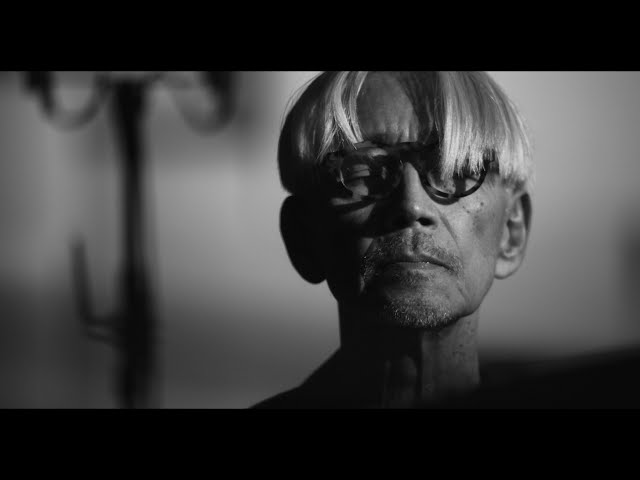
Ryuichi Sakamoto, affectionately nicknamed “the Professor,” boasts a wide-ranging musical background centered on classical music while embracing folk and popular traditions.
His piece Merry Christmas, Mr.
Lawrence—also known from the film of the same name—is likely a tune everyone has heard at least once.
Its oriental-tinged melody and classical ambience create such a powerful impression that vivid scenes come to mind even though it’s an instrumental with no lyrics.
The delicate piano phrases soothe the heart, making it a timeless masterpiece you’ll want to listen to again and again.

20220302Sakamoto Ryuichi23rank/position

This piece, included on the album “12” released in January 2023, is a musical sketch jotted down like a diary entry in March 2022.
Set to a gentle triple meter reminiscent of the sarabande, a baroque dance, its delicate melody seems to dissolve into a quiet space note by note, resonating deeply with the heart.
The work drew significant attention when it was re-included on the soundtrack for the film “Monster,” released in May 2023.
Its unadorned, tranquil atmosphere—stripped of flashy embellishments—is perfect for moments when you want to step away from the bustle of daily life and quietly face yourself.
With a warmth that seems to gently embrace the emotions deep within, it’s an ideal listen for nights when you want to rest your mind and body at a slow, unhurried pace.
AmoreSakamoto Ryuichi24rank/position

“Amore,” a track on Ryuichi Sakamoto’s 1989 original album Beauty, is a piece that adds vocals and electric guitar to a track that was originally released under the title “Undo.” When he played it for Jeremy Thomas, the British film producer known for The Last Emperor, Thomas started singing along with the words “Amore, amore,” which led to the decision that “it’s definitely better with lyrics!” and the vocals were added.
The piano solo version, whose bittersweetness really tugs at the heart, is also wonderful—be sure to give it a listen!

Asience (Fast Piano Version)Sakamoto Ryuichi25rank/position

This is a celebrated piece composed in July 2003 as the commercial music for Kao’s haircare brand “ASIENCE,” and it opens the album “/04,” released in November 2004.
Its oriental melody, evoking the shadows of East Asia, is captivating, overflowing with a refined urban resonance and overwhelming drive.
The piece has such a striking impact that it changes the atmosphere within the first few seconds, and the layering of chords that seem to drift between tonalities evokes new emotions with every listen.
It’s perfect for those who want to step away from the noise of everyday life and fill their hearts with the rich timbre of a high-quality piano.
Why not surrender yourself to the flowing, beautiful phrases and savor a truly luxurious moment?
Aubade 2020Sakamoto Ryuichi26rank/position

This piano piece, emblematic of a late-style aesthetic, conjures a beautiful scene at daybreak.
It was originally composed in 2009 as music for Asahi Soft Drinks’ Mitsuya Cider commercial.
Over time, it found new life in an online concert in April 2020, and was later included on the album “Opus,” released in August 2024.
The piece delicately captures the passage of time as light gradually seeps in from the darkness and the landscape grows brighter.
Its transparent sonorities, as if the sounds were drifting through space, gently soothe the heart.
Highly recommended for those who wish to step away from the busyness of daily life and find calm in a quiet atmosphere.
When you want to sit with yourself in silence, why not give it a listen?
BachataSakamoto Ryuichi27rank/position

Here’s an introduction to a piano piece named after a Central and South American dance form, included on the classic album BTTB released in November 1998.
This work is highly appealing in the way it elevates the supple sway of Latin music into a quiet, introspective resonance.
The dance-like rhythm pulsed by the left hand intertwines with the wistful melody spun by the right, drawing you in more deeply the more you listen.
It’s perfect for those who want to step away from the noise of daily life and take time to face themselves, as the piece repeats quietly while holding passion within.
Over its relatively long duration of about eight minutes, why not listen closely and savor the subtle shifts in the gradations of emotion?
Composition 0919Sakamoto Ryuichi28rank/position

A hidden gem known to those in the know, where serenity and dynamism intersect beautifully.
This track, placed at the end of the album “out of noise” released in March 2009, had already been used in advance starting in November 2008 for Samsung Electronics’ SoftBank 930SC OMNIA commercial.
By layering multiple takes of his own piano performance, Sakamoto creates an intelligent yet soothing rhythm.
The development, in which short phrases repeat while subtly evolving, brings a deep sense of healing that lets you momentarily forget the clamor of everyday life.
It’s a work I especially recommend to those who want to savor the exquisitely layered textures and delicate resonances in full.