

Showa-era nostalgic songs: Popular ranking

When people hear the word “nostalgic songs,” many probably think of the timeless hits from the Showa era.
That blend of easy-to-listen-to melodies and lyrics that resonate with the heart still moves us today, even after the era name has changed.
In this article, we’ll introduce nostalgic Showa songs in a ranked list, focusing especially on tracks from the 1960s through the 1980s.
The rankings include everything from universally known tunes to hidden nostalgic gems known to true enthusiasts.
Take this opportunity to sit back and rediscover Japan’s classic masterpieces.
- Heart-touching, tear-jerking masterpieces from the Showa era
- [Classic Showa Kayō Hits] The captivating Showa-era pop songs beloved even by younger generations
- [Revisited] A roundup of popular and classic Showa-era songs that are trending now [2026]
- Hit songs in Japan in the late 1960s
- A roundup of classic Showa-era kayō songs: a comprehensive introduction to timeless tracks loved across generations.
- Showa-era masterpieces roundup: A must-listen collection of nostalgic oldies and hit songs
- Cool songs from the Showa era. Masterpieces from Showa that shine with sensuality, passion, and rugged charm.
- [Nostalgic Hits] Smash Hits with the Showa Generation! Classic and Popular Songs Sung by Female Vocalists
- Nostalgic Japanese hit songs from the 1960s. A collection of popular Showa-era classic melodies.
- A collection of iconic, cool Showa-era kayōkyoku classics sung by male vocalists
- Ranking of Popular Oldies and Classic Songs [1960s Japanese Music Rankings]
- Just listening to it purifies the heart... A healing song born in the Showa era.
- Showa-era classic songs that brightened the 1990s
Showa-era nostalgic songs. Popular ranking (91–100)
Our FailureMorita Doji92rank/position

Starting with a scene bathed in spring sunlight, Morita Doji’s classic masterfully portrays the delicate feelings and subtle shifts of a young person’s heart.
Many will be moved by the protagonist, who acknowledges their fragility yet strives to move forward.
Featured on the album Mother Sky, the song initially garnered support for its unique worldview upon its November 1976 release.
Later, in 1993, it was chosen as the theme song for the TBS drama High School Teacher, becoming a major hit with over 900,000 copies sold.
Its melody—woven from a softly spoken, intimate vocal and the gentle timbre of an acoustic guitar—is the perfect companion when you’re carrying something in your heart or want to immerse yourself in memories of someone dear.
Azusa No. 2karyūdō93rank/position

This is a signature song by a male duo from the Showa era.
I love folk songs from this period! In “Azusa No.
2,” the A and B sections are relatively quiet, but once the chorus hits and the harmonies come in, it suddenly soars! It’s incredibly cool and feels so good to sing! The harmony is basically a third below, but since the main melody’s chorus sits around G4 and has that belting quality, the harmony should come in firmly so it doesn’t get overshadowed.
When entering the chorus, listen carefully to the backing track and breathe together so you both come in at the same time! The unison at the end of the chorus after all that harmonizing is wonderful, too.
It might be a somewhat wistful song, but when the harmonies lock in, it’ll give you goosebumps—so definitely find a partner and give it a try!

for you…Takahashi Mariko94rank/position

A single released by Mariko Takahashi in March 1982.
It won the Gold Prize at the 11th Tokyo Music Festival World Grand Prix and became one of her signature songs, solidifying her reputation as a solo vocalist.
Known as a mature ballad that quietly sings of gratitude toward the person who stayed by her side after a painful romance and the budding sense of new love.
Without relying on flashy technique, her deeply resonant voice gently conveys emotion without distorting the nuance of the words, enhancing the song’s appeal.
An unfading classic perfect for a quiet night, inviting you to reflect on past loves as you listen closely.
EnchantedJudi Ongu95rank/position

Released in February 1979, this signature song by a female singer evokes the breeze of the Aegean Sea.
Ken Shimura’s skits on the national TV show “It’s 8 o’clock! Everyone Gather!” and her performances in a pure white dress left a powerful impression.
Set against the Aegean backdrop, the lyrics delicately portray a woman’s emotions, vividly expressing the struggles and inner changes in a relationship with a loved one, resonating deeply with listeners.
It is a classic Showa-era song that fully showcases the allure of a mature woman—one you’ll want to sing at karaoke.
Linda LindaTHE BLUE HEARTS96rank/position
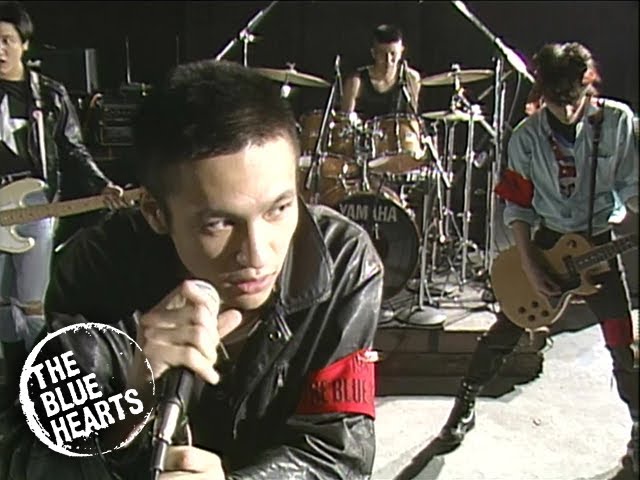
THE BLUE HEARTS, the legendary band that shook Japan’s punk rock scene.
Their landmark major-label debut single bursts with a driving beat and lyrics that question true beauty, continuing to stir listeners’ souls.
Released in May 1987, it has a different version included on the album “THE BLUE HEARTS.” Beyond being performed in the film “Linda Linda Linda,” it was also featured in an Airbnb commercial in 2024, proving its timeless appeal.
Many people have probably played it as a staple at school festivals or graduation gigs.
Belt it out like a shout, and the fiery feelings of your youth will come vividly rushing back.
Kanda Riverkaguya hime97rank/position

A signature work by Kaguya-hime that portrays the days of poor yet happy youth and a poignant farewell.
Released in September 1973, this folk song sold an impressive 1.6 million copies.
The lyrics, which depict the lives and emotions of impoverished students, are expressed in the “four-and-a-half tatami folk” style that symbolized youth culture at the time.
Its portrayal of pure love in conflict with societal values resonates deeply with listeners.
Covered by many artists, it remains a timeless classic cherished across generations.
Accompanied by the gentle sound of a folk guitar, it offers a moving vocal performance.
It’s the perfect song for moments when you want to feel the quiet happiness of everyday life spent with someone special.
Take back the love!!kurisutaru kingu98rank/position

The opening shout is memorable—the theme song of the TV anime Fist of the North Star is “Ai o Torimodose!!” It was released in 1984 by Crystal King, a rock band known for hits like “Daitokai” and “Shinkirou.” With its punchy, fight-song energy, it’s perfect for blowing off stress! It’s also a popular anime song for karaoke, so it’s a great pick when you can’t decide what to sing or want to break out of a rut.
It’ll hype up a big group or a solo karaoke session, so give it a try!
