



When people hear the word “nostalgic songs,” many probably think of the timeless hits from the Showa era.
That blend of easy-to-listen-to melodies and lyrics that resonate with the heart still moves us today, even after the era name has changed.
In this article, we’ll introduce nostalgic Showa songs in a ranked list, focusing especially on tracks from the 1960s through the 1980s.
The rankings include everything from universally known tunes to hidden nostalgic gems known to true enthusiasts.
Take this opportunity to sit back and rediscover Japan’s classic masterpieces.
- Heart-touching, tear-jerking masterpieces from the Showa era
- [Classic Showa Kayō Hits] The captivating Showa-era pop songs beloved even by younger generations
- [Revisited] A roundup of popular and classic Showa-era songs that are trending now [2026]
- Hit songs in Japan in the late 1960s
- A roundup of classic Showa-era kayō songs: a comprehensive introduction to timeless tracks loved across generations.
- Showa-era masterpieces roundup: A must-listen collection of nostalgic oldies and hit songs
- Cool songs from the Showa era. Masterpieces from Showa that shine with sensuality, passion, and rugged charm.
- [Nostalgic Hits] Smash Hits with the Showa Generation! Classic and Popular Songs Sung by Female Vocalists
- Nostalgic Japanese hit songs from the 1960s. A collection of popular Showa-era classic melodies.
- A collection of iconic, cool Showa-era kayōkyoku classics sung by male vocalists
- Ranking of Popular Oldies and Classic Songs [1960s Japanese Music Rankings]
- Just listening to it purifies the heart... A healing song born in the Showa era.
- Showa-era classic songs that brightened the 1990s
Showa-era nostalgic songs. Popular ranking (1–10)
Blue Coral ReefMatsuda Seiko1rank/position

It’s a masterpiece with a breezy, poppy melody that conjures up dazzling summer scenes! Words that evoke southern islands and the sea line up, and the pure thrill of love comes straight through, making your heart flutter.
This was the second single, released in July 1980.
It was later included on the album “SQUALL,” and in 2008 it also drew attention as a commercial song featuring Kyoko Fukada.
The piercing high notes feel fantastic, making it perfect for livening up karaoke with a spirited performance! It’s also recommended for those who want to think of someone they love and bask in the feeling of a happy, mutual romance.
Do whatever the hell you want.sawada kenji2rank/position
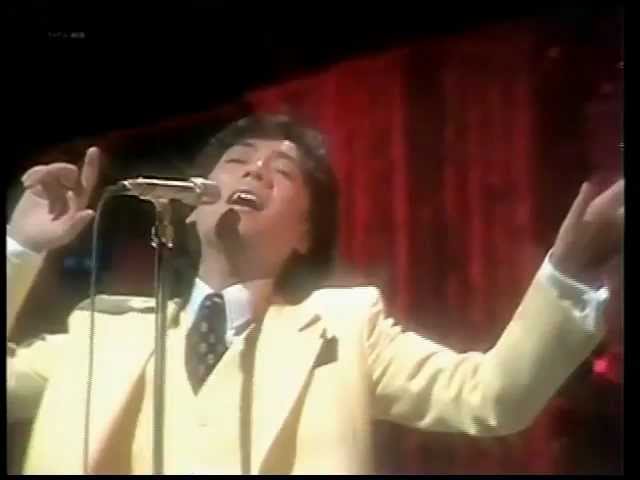
This is a song that continues to be loved as a quintessential Showa-era pop classic.
Its striking chorus sticks in your ears and resonates with your heart every time you listen.
It portrays the complex emotions of a heartbroken man with a chic, mature melancholy, showcasing Kenji Sawada’s charm to the fullest.
Released in May 1977, it spent five consecutive weeks at No.
1 on the Oricon weekly chart and ranked fourth on the year-end chart.
It became a massive hit, selling 890,000 copies.
It’s a must-listen not only for those nursing a broken heart, but also for younger listeners who admire adult romance.
Why not let yourself be intoxicated by Kenji Sawada’s captivating vocals?
First loveMurashita Kōzō3rank/position

Kozo Murashita’s signature song “Hatsukoi” (“First Love”).
Even among Showa-era folk, it’s a masterpiece with top-tier scenic imagery.
The overall vocal range is D#3–G4, which makes it an easy key for women to sing as well, so it’s recommended for everyone regardless of gender.
Interestingly, the song doesn’t use any katakana loanwords at all, and it’s famous for evoking the beauty of Japan.
When you sing it, stay relaxed throughout; if you nail the rhythm at the start of the chorus, it will sound very cool.
The verses (A-melo) are important too, so don’t rush—take your time.

Tears aren’t just for show.Nakamori Akina4rank/position

This is the 10th single by singer Akina Nakamori, known as an emblematic idol of the 1980s whose overwhelming vocal power and expressiveness have kept her enduringly popular.
The impactful lyrics by Yosui Inoue and the catchy melody are outstanding, aren’t they? Released in November 1984, the song debuted at No.
1 on the Oricon Weekly Singles Chart and became Nakamori’s third best-selling single.
Still loved by listeners across generations, it’s an idol song that’s sure to fire up any karaoke session.
Cotton HandkerchiefŌta Hiromi5rank/position

A classic song in the history of Showa-era pop that portrays a long-distance romance between someone leaving their rural hometown for the big city and the lover waiting back home.
With lyrics by Takashi Matsumoto and music by Kyohei Tsutsumi, the piece is structured like an exchange of letters, a dialogue.
Set to a sprightly melody, it poignantly sings of the drifting emotions between the one being swept up in the city’s glamour and the one longing for unchanging love.
Released in December 1975 as Hiromi Ota’s fourth single, it became a major hit that earned her first appearance at the 27th NHK Kohaku Uta Gassen at the end of 1976.
The track was single-cut from the acclaimed album “Kokoro ga Kaze o Hiita Hi” (The Day My Heart Caught a Cold).
Give it a listen on nights when you’re thinking of someone dear, or when you want to soak in a nostalgic, retro mood.
youKozaka Akiko6rank/position

This work, still loved today as one of the quintessential masterpieces of the Showa era, was written by Akiko Kosaka when she was just 16.
The lyrics she wove are filled with dreams and hopes for the future.
The vivid depiction of an ideal family life resonates deeply with listeners.
Released in December 1973, it became a smash hit in no time, spending seven consecutive weeks at No.
1 on the Oricon chart and ranking second on the year-end singles chart.
Akiko Kosaka’s clear, translucent voice and the lyrics imbued with pure sentiments are recommended not only for those troubled by love, but also for anyone who quietly cherishes feelings for someone special.
Graduationsaitou yuki7rank/position

Yuki Saito’s debut single is a gem of a youth anthem that portrays the end of student life.
It’s sprinkled with phrases that vividly evoke nostalgic scenes from school days.
The lyrics, which view graduation with a cool, composed perspective, convey a mature stance that avoids excessive sentimentality.
Released in February 1985, the song boasts a stellar lineup with lyrics by Takashi Matsumoto and music by Kyohei Tsutsumi.
It’s a track you’ll want to listen to not only during graduation season but also at life’s turning points.
Yuki Saito’s clear, translucent voice is sure to resonate in your heart.