

Showa-era nostalgic songs: Popular ranking

When people hear the word “nostalgic songs,” many probably think of the timeless hits from the Showa era.
That blend of easy-to-listen-to melodies and lyrics that resonate with the heart still moves us today, even after the era name has changed.
In this article, we’ll introduce nostalgic Showa songs in a ranked list, focusing especially on tracks from the 1960s through the 1980s.
The rankings include everything from universally known tunes to hidden nostalgic gems known to true enthusiasts.
Take this opportunity to sit back and rediscover Japan’s classic masterpieces.
- Heart-touching, tear-jerking masterpieces from the Showa era
- [Classic Showa Kayō Hits] The captivating Showa-era pop songs beloved even by younger generations
- [Revisited] A roundup of popular and classic Showa-era songs that are trending now [2026]
- Hit songs in Japan in the late 1960s
- A roundup of classic Showa-era kayō songs: a comprehensive introduction to timeless tracks loved across generations.
- Showa-era masterpieces roundup: A must-listen collection of nostalgic oldies and hit songs
- Cool songs from the Showa era. Masterpieces from Showa that shine with sensuality, passion, and rugged charm.
- [Nostalgic Hits] Smash Hits with the Showa Generation! Classic and Popular Songs Sung by Female Vocalists
- Nostalgic Japanese hit songs from the 1960s. A collection of popular Showa-era classic melodies.
- A collection of iconic, cool Showa-era kayōkyoku classics sung by male vocalists
- Ranking of Popular Oldies and Classic Songs [1960s Japanese Music Rankings]
- Just listening to it purifies the heart... A healing song born in the Showa era.
- Showa-era classic songs that brightened the 1990s
Showa-era nostalgic songs. Popular ranking (21–30)
Dancing Hero (Eat You Up)Oginome Yōko29rank/position

As a disco song with a lively rhythm, this track evokes both nostalgia and freshness.
It’s a Japanese cover of “Eat You Up,” originally a massive hit by British singer Angie Gold.
Released in November 1985 as Yoko Oginome’s seventh single, it drew renewed attention in recent years thanks to the “bubble dance” by the Osaka Prefectural Tsumuraoka High School dance club, leading to a revival hit.
If you perform a dance to this song as entertainment at a graduation ceremony attended by parents and teachers, it’s sure to bring excitement across generations.
How about everyone singing, dancing, and having fun together?
There’s always tomorrowSakamoto Kyu30rank/position

It’s a classic song that sings of the clumsiness and hope of youth.
It portrays the protagonist’s feelings in love and the courage to take on challenges without fearing failure.
Kyu Sakamoto’s warm vocals enhance its positive message.
Released in 1963, it later gained renewed attention when it was used in a Japan Coca-Cola commercial.
In 2002, it was also selected as the entrance march for the National High School Baseball Invitational Tournament.
It’s a recommended track for those stepping into a new environment or struggling with love.
Each listen is sure to stir up hope.
Showa-era nostalgic songs. Popular ranking (31–40)
Lullaby of a Serrated HeartChekkāzu31rank/position

A milestone debut single by The Checkers whose melancholic melody strikes the heart, even as it centers on themes of a delinquent youth’s self-consciousness and spirit of rebellion.
Released in September 1983, the song didn’t sell much at first, but after the massive breakthrough of their second single in January 1984, it went on to post strong sales.
Also included on the album “Zettai Checkers!!,” this track charms with its approachable sound grounded in pop and rock.
Known as a classic enjoyed across generations, its incredibly catchy melody makes it a great pick for getting everyone hyped at karaoke.
Two People’s Love IslandIshikawa Yuko & Chage32rank/position
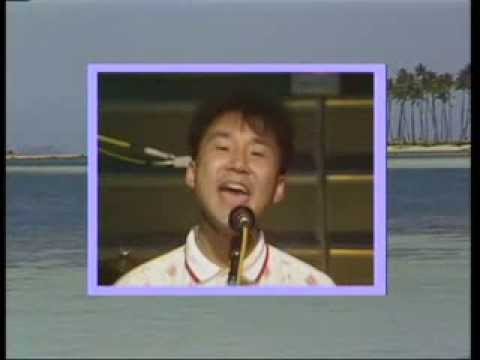
A male-female duet song that shines as dazzlingly as the summer sun.
Its melody overflows with a sense of openness that evokes Okinawa’s blue sea and white sandy beaches, and the lyrics charmingly portray the sweet, bittersweet thrill of love.
The interplay of harmonies between Yuko Ishikawa and Chage is light and pleasant, resonating like a conversation between lovers.
Released in April 1984, the song was used for JAL’s Okinawa campaign and became a hit, peaking at No.
3 on the Oricon weekly chart.
It also captivated many listeners, ranking No.
10 on the annual chart of the music program “The Best Ten.” If you duet it at karaoke with close friends or someone special, you’re sure to create fun memories while basking in a cheerful, tropical mood.
Sonnet of the Clownsadamasashi33rank/position

A signature work by Masashi Sada, born as the theme song for the film “Fly, Wings of Icarus.” The sorrow hidden behind a clown’s smile and the belief that bringing smiles to others can also save oneself are expressed through gentle yet aching vocals and melody.
Released in February 1980, the song reached No.
2 on the Oricon chart and was later used in commercials for Japan Post Bank and U-Can correspondence courses.
It has become an indispensable part of Sada’s concert repertoire and continues to resonate with many people.
It’s a heartwarming song to listen to when you’re struggling in life or want to encourage someone.
Journey of the Heartchūrippu34rank/position

This is a classic by Tulip, woven from a heart‑stirring melody and poignant lyrics.
Centered on themes of departure and farewell, it portrays the last night with a loved one.
Released in April 1973, it reached No.
1 on the Oricon chart that September.
Its lively rhythm evokes the romance of train travel, perfectly balancing a subtly wistful mood.
An ideal song for those facing goodbyes or taking a new step forward, it’s an indispensable, timeless favorite for graduation season.
MissingKubota Toshinobu35rank/position

This is a gem of a ballad by Toshinobu Kubota, known for his uniquely groovy style, perfect for an autumn night.
It poignantly conveys, with a soulful voice, the helpless love between a man and a woman who care deeply for each other yet can never be together.
The struggle of wanting to forget but being unable to, and the regret of wishing they had met earlier, really hits home.
The song was included on his debut album, “SHAKE IT PARADISE,” released in September 1986, and was used as an ending theme for shows like World Pro Wrestling.
Though it wasn’t released as a single, it remains one of his most beloved signature songs.
It feels like a gentle companion to the quiet loneliness that follows the bustle of summer.