

[60s] Karaoke Popularity Rankings by Generation [2026]

We’re excited to present the latest rankings from the Karaoke Chart by Age: 60s category, listed in order of most views! Classic hits and staple songs, including enka and kayōkyoku, have made the list, showing just how strong their popularity remains.
If you’re from a younger generation and find songs you haven’t heard before, why not give them a listen? You might discover something new.
The playlist is updated every week.
- [For People in Their 60s] Karaoke Songs That Get the Crowd Going: Ranking [2026]
- [2026 Edition] Songs Loved by People in Their 60s: Classic Hits from Their Youth
- [For People in Their 60s] Ranking of Easy-to-Sing Karaoke Songs [2026]
- Recommended for women in their 60s! Easy-to-sing Japanese karaoke songs
- Karaoke songs that are sure to get a 60-something man fired up
- Popularity Ranking of Songs by Generation: 60s [2026]
- Recommended for women in their 60s! Songs that get the crowd going at karaoke
- [For People in Their 50s] Ranking of Easy-to-Sing Karaoke Songs [2026]
- Best Karaoke Songs and Popular Band Rankings for Lively Fun in Your 60s [2026]
- Karaoke Popularity Ranking by Generation [50s] [2026]
- Love songs that resonate with women in their 60s: gem-like romance tunes that revive memories of youth.
- [Ages 60s] Popular Japanese Music / J-POP Rankings [By Generation]
- Japanese karaoke songs that are easy for men in their 60s to sing
[60s] Karaoke Popularity Rankings by Generation [2026] (71–80)
Scorpio womanMikawa Ken’ichi71rank/position

A signature song by Kenichi Mikawa that portrays the strength and poignancy of a passionate woman who lives for love.
Released in December 1972, this memorable enka number expresses straightforward affection and the sorrow of betrayal.
Mikawa’s powerful vocals blend beautifully with a distinctive worldview inspired by Scorpio, one of the twelve zodiac signs, and the song sold about 97,000 copies on the Oricon charts.
It was performed on NHK’s Kōhaku Uta Gassen for four consecutive years from 2006 to 2009, revealing new charms through various arrangements, including operatic and samba styles.
With its relaxed tempo and gentle melodic contours, it’s also easy to sing—another part of its appeal.
Why not sing it with a sense of nostalgia as a treasured song tied to precious memories?
The Wind RisesMatsuda Seiko72rank/position

Seiko Matsuda has many famous songs.
While “Kaze Tachinu” is a somewhat lesser-known track, it’s perfect for aiming for a high score at karaoke.
Its relaxed tempo and a vocal line without intricate pitch fluctuations are appealing; although the melody is relatively high, anyone can sing it easily with the right key adjustment.
If there’s one point to watch out for, it’s the pre-chorus (the B section).
Because it features a high phrase with a relatively wide upward pitch movement, you’ll need to consciously track the pitch carefully.

The Camellia Sasanqua InnŌkawa Eisaku73rank/position

This is the 32nd single by Japanese enka singer Eisaku Okawa, released in August 1982.
It has sold over 1.8 million copies in total, becoming Okawa’s biggest hit.
On New Year’s Eve 1983, it won the Long-Seller Award at TBS’s 25th Japan Record Awards, and on the same day Okawa also achieved his long-cherished first appearance on NHK’s 34th Kouhaku Uta Gassen.
In terms of musical style, it’s quintessential enka through and through, which makes it easy for the general public to sing, yet the deeper you explore the song, the more profound it becomes.
I hope everyone enjoys it in their own way.
When you sing the title call in the song, don’t tighten your throat—sing it out resonantly!

Sinbad on the Shorepinku redii74rank/position

This song, which sings about a summer romance by the seaside, instantly puts listeners in a joyful mood.
Released in June 1977 as Pink Lady’s fourth single, it became their first million-selling hit.
In 2005, it was chosen as the theme song for episode 2 of the Nippon TV Wednesday 10 p.m.
drama “Otona no Natsuyasumi,” and it has continued to be loved across various media for many years.
Its easy-to-dance rhythm and catchy lyrics, combined with a melody brimming with a Showa-era discotheque vibe, are sure to liven up any occasion.
Why not sing it with friends and family to reminisce about the past while creating new, joyful memories?
Yokohama TwilightItsuki Hiroshi75rank/position

This was mood kayō/enka singer Hiroshi Itsuki’s debut single, released in March 1971.
With this song, Mr.
Itsuki won numerous awards, including the Vocalist Award at the 13th Japan Record Awards and the Broadcast Music Award at the 2nd Japan Kayō Awards, and he also made his first appearance at the 22nd NHK Kōhaku Uta Gassen that same year.
It’s truly a classic of the Shōwa era and one of the quintessential local songs of Yokohama.
Melodically, it’s very easy to sing and to hum casually, so I think the key to delivering this song well comes down to how you handle the spacing between the words in the lyrics.
Ride the pleasant rhythm and try singing while cherishing each and every word of the lyrics.
Tsugaru Strait – Winter SceneIshikawa Sayuri76rank/position
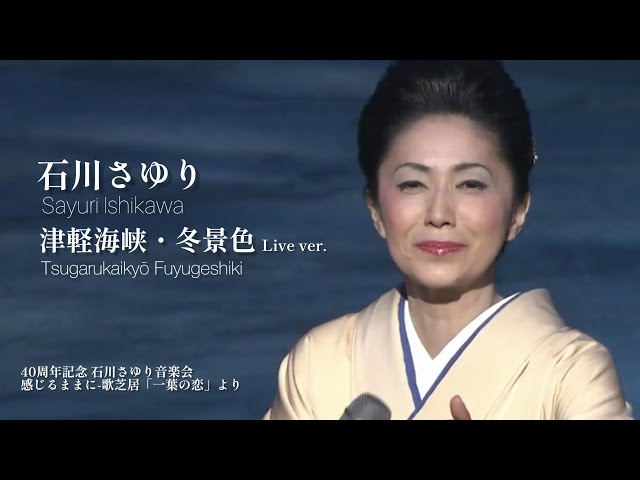
This song by Sayuri Ishikawa, with its gently mellow atmosphere, really touches the heart.
Released in 1977, it was also performed at that year’s NHK Kōhaku Uta Gassen.
The lyrics, depicting a journey by train and ship—the main modes of transportation at the time—evoke a sense of nostalgia.
Composed and arranged by Takashi Miki, it features a striking tenor saxophone in the intro.
You can almost picture the snowy scenery of Aomori and people returning home to Hokkaido.
For karaoke, it’s best to sing it at an easy, unhurried tempo, letting memories flow along with the music.
It’s a perfect song to share a warm, heartening moment with friends and family.
Like the flow of a riverMisora Hibari77rank/position

A gem of a masterpiece released in April 1989 by Hibari Misora, this song extols the beauty of living by surrendering yourself to the waves of life.
It was the final track released in her lifetime, created with a message for younger generations.
Personally chosen by Hibari herself, the song likens the flow of life to a river, expressing the importance of believing that peaceful times will eventually come, even when faced with hardships and challenges.
Highly recommended for those who want to enjoy a heartfelt moment at karaoke.
This work offers a chance for self-reflection—why not make your time at karaoke even more special with this song?