

[60s] Karaoke Popularity Rankings by Generation [2026]

We’re excited to present the latest rankings from the Karaoke Chart by Age: 60s category, listed in order of most views! Classic hits and staple songs, including enka and kayōkyoku, have made the list, showing just how strong their popularity remains.
If you’re from a younger generation and find songs you haven’t heard before, why not give them a listen? You might discover something new.
The playlist is updated every week.
- [For People in Their 60s] Karaoke Songs That Get the Crowd Going: Ranking [2026]
- [2026 Edition] Songs Loved by People in Their 60s: Classic Hits from Their Youth
- [For People in Their 60s] Ranking of Easy-to-Sing Karaoke Songs [2026]
- Recommended for women in their 60s! Easy-to-sing Japanese karaoke songs
- Karaoke songs that are sure to get a 60-something man fired up
- Popularity Ranking of Songs by Generation: 60s [2026]
- Recommended for women in their 60s! Songs that get the crowd going at karaoke
- [For People in Their 50s] Ranking of Easy-to-Sing Karaoke Songs [2026]
- Best Karaoke Songs and Popular Band Rankings for Lively Fun in Your 60s [2026]
- Karaoke Popularity Ranking by Generation [50s] [2026]
- Love songs that resonate with women in their 60s: gem-like romance tunes that revive memories of youth.
- [Ages 60s] Popular Japanese Music / J-POP Rankings [By Generation]
- Japanese karaoke songs that are easy for men in their 60s to sing
[60s] Karaoke Popularity Rankings by Generation [2026] (1–10)
setting sunyoshida takurou8rank/position

Takuro Yoshida is a pioneering figure among Japanese singer-songwriters.
As an artist who brought folk music into the mainstream, I believe he has many fans even among men in their 60s.
Among his songs, the one I particularly recommend for aiming at a high score is Rakuyō (Sunset).
Although the song spans a fairly wide vocal range for a male vocalist—mid1 B to hi G—its tempo is an unusually relaxed BPM 87, making it, overall, a song that’s relatively easy to score highly on.

The Maiden with Flaxen HairShimatani Hitomi9rank/position
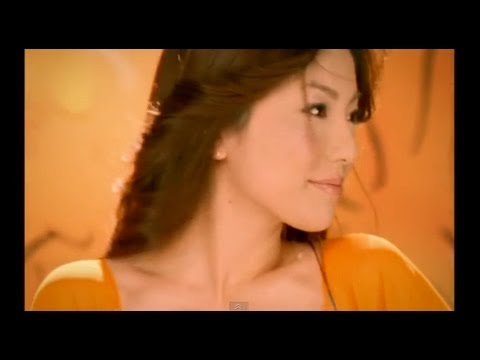
Released by Hitomi Shimatani in May 2002, this song is a celebrated piece that portrays a refreshing romance.
It expresses a young girl’s feelings of love through dreamlike imagery, beautifully harmonizing with scenes of landscape and nature.
The lyrics, imbued with youth and purity, are complemented by her clear, translucent vocals, capturing the brilliance of innocent love in full.
Featured in a commercial for Kao Essential Damage Care Shampoo, it became a major hit, peaking at No.
4 on the Oricon Weekly Chart.
With its broad, expansive melody and an elegant tone that sways like hair in the wind, it carries a familiar charm that invites everyone to hum along.
Crossing Amagi PassIshikawa Sayuri10rank/position

This song by Sayuri Ishikawa has long been cherished as a timeless masterpiece that stirs the heart time and again.
Released in July 1986, it has left a deep imprint on many people, even serving as the final performance at NHK’s Kōhaku Uta Gassen four times.
The lyrics vividly portray a woman tormented by her relationship with the one she loves, striking a powerful chord with listeners.
Sing it at karaoke, and the entire venue is sure to be moved.
The next time you gather with friends, why not belt out this Showa-era classic and enjoy a wonderful time together?
[60s] Karaoke Popularity Ranking by Generation [2026] (11–20)
Robinsonsupittsu11rank/position

A song that can be called a milestone in the J-pop scene was released in April 1995.
This track, Spitz’s biggest hit, opens with a gentle, resonant intro and is marked by Masamune Kusano’s clear, translucent vocals.
Its lyrics poetically depict universal themes such as loneliness, self-discovery, and love, possessing a depth that allows for diverse personal interpretations.
In addition to being featured as the ending theme for a Fuji TV variety show, it was also used in a Kirin Beverage commercial in 2001, gaining recognition across a wide audience.
With heartfelt lyrics and a beautiful melodic line, it’s perfect for time spent with someone special or for moments of self-reflection.
dogwood (flowering dogwood)Hitoto Yo12rank/position

Released in February 2004, this work has continued to be loved as a classic of J-pop.
Hitoto Yo’s clear, translucent vocals and lyrics imbued with prayers for peace make this song deeply moving.
With its relaxed tempo and stepwise melodic progression, it’s surprisingly easy to sing.
It has also been used on Nippon TV’s “Tuesday Suspense Theater” and in commercials, making it familiar to many people.
It’s a perfect song to sing with thoughts for someone special.
Why not sing it slowly, layering your own experiences and emotions into it?
Do whatever the hell you want.sawada kenji13rank/position

This was Kenji Sawada’s 19th single, released in May 1977.
It won the Grand Prize at the 19th Japan Record Awards held that same year, among many other accolades—a Showa-era kayō classic everyone knows! As of 2023, I imagine many Japanese men in their 60s were glued to the TV back then watching him perform.
I’m in my mid-50s, and I still remember singing this song at a fun class event in elementary school and getting rave reviews.
Of course, I also copied the part where he throws his hat mid-song (lol).
If you sing it at karaoke, be sure to imitate those bits too and have a blast!

The Last RainYasushi Nakanishi14rank/position

Yasushi Nakanishi’s classic, filled with gentle yet heartrending emotion, is a ballad about parting with a lover.
The breakup scene, overlaid with imagery of rain, along with the portrayal of deep affection, possessiveness, and the acceptance of being unable to make the other person happy, leaves a strong impression.
The beautiful arrangement of piano and strings further highlights the crystalline quality of his vocals.
Released in August 1992, it was later used as the theme song for Hitachi’s “Ashita P-KAN Kibun!” and gradually gained support, ultimately becoming a massive hit with total sales of 900,000 copies.
In karaoke, its relaxed tempo and relatively narrow vocal range make it easy to sing calmly.
Why not sing it while carefully unfolding its story-like lyrics, together with your cherished memories?