

[60s] Karaoke Popularity Rankings by Generation [2026]

We’re excited to present the latest rankings from the Karaoke Chart by Age: 60s category, listed in order of most views! Classic hits and staple songs, including enka and kayōkyoku, have made the list, showing just how strong their popularity remains.
If you’re from a younger generation and find songs you haven’t heard before, why not give them a listen? You might discover something new.
The playlist is updated every week.
- [For People in Their 60s] Karaoke Songs That Get the Crowd Going: Ranking [2026]
- [2026 Edition] Songs Loved by People in Their 60s: Classic Hits from Their Youth
- [For People in Their 60s] Ranking of Easy-to-Sing Karaoke Songs [2026]
- Recommended for women in their 60s! Easy-to-sing Japanese karaoke songs
- Karaoke songs that are sure to get a 60-something man fired up
- Popularity Ranking of Songs by Generation: 60s [2026]
- Recommended for women in their 60s! Songs that get the crowd going at karaoke
- [For People in Their 50s] Ranking of Easy-to-Sing Karaoke Songs [2026]
- Best Karaoke Songs and Popular Band Rankings for Lively Fun in Your 60s [2026]
- Karaoke Popularity Ranking by Generation [50s] [2026]
- Love songs that resonate with women in their 60s: gem-like romance tunes that revive memories of youth.
- [Ages 60s] Popular Japanese Music / J-POP Rankings [By Generation]
- Japanese karaoke songs that are easy for men in their 60s to sing
[60s] Karaoke Popularity Rankings by Generation [2026] (71–80)
Tsugaru Strait – Winter SceneIshikawa Sayuri76rank/position
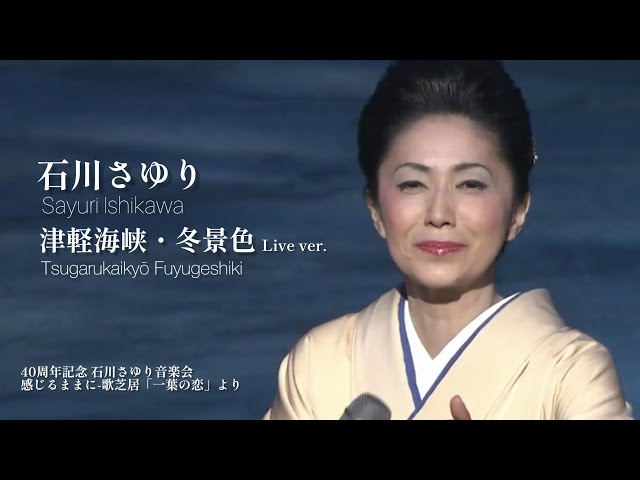
This song by Sayuri Ishikawa, with its gently mellow atmosphere, really touches the heart.
Released in 1977, it was also performed at that year’s NHK Kōhaku Uta Gassen.
The lyrics, depicting a journey by train and ship—the main modes of transportation at the time—evoke a sense of nostalgia.
Composed and arranged by Takashi Miki, it features a striking tenor saxophone in the intro.
You can almost picture the snowy scenery of Aomori and people returning home to Hokkaido.
For karaoke, it’s best to sing it at an easy, unhurried tempo, letting memories flow along with the music.
It’s a perfect song to share a warm, heartening moment with friends and family.
Like the flow of a riverMisora Hibari77rank/position

A gem of a masterpiece released in April 1989 by Hibari Misora, this song extols the beauty of living by surrendering yourself to the waves of life.
It was the final track released in her lifetime, created with a message for younger generations.
Personally chosen by Hibari herself, the song likens the flow of life to a river, expressing the importance of believing that peaceful times will eventually come, even when faced with hardships and challenges.
Highly recommended for those who want to enjoy a heartfelt moment at karaoke.
This work offers a chance for self-reflection—why not make your time at karaoke even more special with this song?
Dancing QueenABBA78rank/position

ABBA’s signature hit, emblematic of the disco boom of the 1970s, is an enduring classic loved across generations.
Set to a catchy melody and rhythm, it celebrates the joy of youth and freedom.
Released as a single in Sweden in August 1976, it quickly became a worldwide hit.
Featured in the film “Mamma Mia!,” it has remained popular with audiences of all ages.
At karaoke, it’s a song where anyone can take center stage by singing and dancing to its buoyant beat.
It’s perfect for amping up the mood or having a great time with friends.
Oh, Pretty WomanRoy Orbison79rank/position

A hit number released by Roy Orbison in 1964.
Later, it became well known among younger generations as well, thanks to a cover by the hard rock band Van Halen and its use as the theme song in the film Pretty Woman.
Be sure to sing it in front of your wife!
Surely more than anyone else in the worldNagayama Miho & WANDS80rank/position

This is a very famous song and one of Miho Nakayama’s signature tracks.
I imagine many people sing it.
The collaboration with the rock band WANDS is also very special.
The overall vocal range is F#3–B4, and since the chorus uses the top note B4 frequently, it’s an easy key for those who are good with high notes.
If you feel it’s “too high” while singing, don’t force it—try lowering the key by one or two steps.
If belting in chest voice is difficult for you, adding clear accents in the high parts will help the sound come out more easily.
You can probably sense where the high sections are as you sing, so try aiming for those spots and pronouncing just “ah” there to target them precisely at first.
Also, for pronunciations with the vowel “i,” pulling the sound too wide horizontally creates tension.
Try to keep some space inside your mouth and avoid overemphasizing the “ee” sound.
