

[30s] Karaoke Popularity Ranking by Generation [2026]

We’re excited to present the latest rankings from the Karaoke by Age Group [30s] category, listed in order of most views! In the 30s category, songs that were popular in a given year tend to strongly influence the rankings.
At the same time, timeless hits from the ’90s and early 2000s are well represented, making for a consistently solid lineup.
The playlist is updated weekly.
- [30s] Karaoke Crowd-Pleasers Ranking [2026]
- [30s] Easy-to-Sing Karaoke Songs Ranking [2026]
- [30s] Popular Songs Ranking by Generation [2026]
- Women's Popular Karaoke Rankings [2026]
- [For women in their 30s] Karaoke songs that are popular with men
- [40s] Karaoke Popularity Ranking by Generation [2026]
- [For People in Their 40s] Karaoke Songs That Are Easy to Sing: 2026 Ranking
- Top Japanese Music / J-POP Rankings by Generation: 30s
- Top Karaoke Songs That Get 20-Somethings Hyped [2026]
- A roundup of songs for men in their 30s to sing [’90s–’00s tracks]
- Karaoke songs that are easy to sing even with a low voice (for women in their 30s)
- [20s] Karaoke Popularity Ranking by Generation [2026]
- Karaoke That Gets Everyone Excited: Women’s Rankings [2026]
[30s] Karaoke Popularity Ranking by Generation [2026] (71–80)
CAN YOU CELEBRATE?Amuro Namie71rank/position

The 9th single “CAN YOU CELEBRATE?” was written as the theme song for the TV drama Virgin Road.
It’s Namie Amuro’s biggest hit and a double-million seller beloved as a wedding staple.
With minimal melodic movement, it’s easy to sing, but since it shifts between a lively shuffle beat and a ballad, be careful not to get left behind by the rhythmic changes.
As a universally known hit, it’s a pop tune guaranteed to fire up any karaoke session.

Goodbye ElegySuda Masaki72rank/position
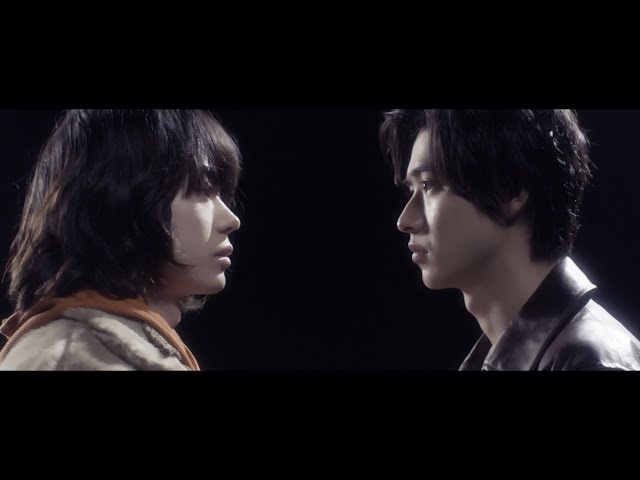
Masaki Suda, who is active both as an actor and a singer.
His song “Sayonara Elegy” is my top recommendation for men in their 30s: it’s easy to sing at karaoke and really livens up the room.
The song’s vocal range is just over one octave, which makes it accessible even for people who struggle with very high or very low notes—another reason it’s a great pick.
Although it was released in 2018, it has a vibe that’s somewhat reminiscent of 90s music, making it familiar and comfortable for people in their 30s.
The rhythm in the final chorus drop has a bit of a quirk, so focus your practice on that part!

Christmas songback number73rank/position

Set against the winter chill and Christmas scenery, this heartwarming song portrays a yearning love for a partner.
The loneliness of not being able to see one’s loved one and the struggle over how to express one’s feelings sink in with a gentle melody.
Released in November 2015, the track was also used as the theme song for the Fuji TV drama “5→9: The Monk Who Fell in Love with Me,” winning the hearts of a broad audience.
It is included on back number’s album Chandelier, which reached No.
1 on the Oricon charts.
As winter arrives, it’s widely listened to—truly a new staple Christmas song.
Sing it at karaoke, and you’ll surely be wrapped in a pleasant atmosphere while sensing the subtle nuances of romance.
dogwood (flowering dogwood)Hitoto Yo74rank/position

This is one of Yo Hitoto’s signature songs, known for its heartfelt lyrics and warm melody.
Released in February 2004, it spent over 136 weeks on the Oricon charts.
Chosen as the theme song for Nippon TV’s “Tuesday Suspense Theater,” it garnered wide support across generations.
Written with a wish for peace, the song is often performed in romantic settings and at weddings, and remains a karaoke favorite—recognized as one of the most-sung songs of the Heisei era.
For women in their 30s, if you have a chance to reunite with old friends, why not let this song spark a trip down memory lane?
instinctShiina Ringo75rank/position

Shiina Ringo’s signature song “Honnō.” These days, “Marunouchi Sadistic” is often cited as her representative work, but for women in their 30s, this piece might be considered Shiina Ringo’s flagship song.
Although her vocal timbre can make it less obvious, this song actually has a fairly narrow range.
As a result, it’s arranged in a way that’s easy to sing even for women with lower voices.
If you want to make it sound even better, try singing it in a key where your edge voice comes out most naturally.

Theory of the Mindful HeartRADWIMPS76rank/position

Yūshinron, RADWIMPS’s fourth major-label single, is one of their early signature songs and a beloved classic among fans.
Some people now in their 30s may have first discovered the band—who were then rising as a cutting-edge young act—through this track.
The song is memorable for its catchy chorus and lyrics with a distinctive worldview, but the part to watch out for when singing it at karaoke is the fast, rap-like delivery.
Practice to keep your rhythm steady, and try to avoid sounding too flat or mechanical as you sing.

I believeayaka77rank/position

Ayaka’s debut single is a masterpiece that resonates with listeners.
Released in February 2006, it was chosen as the theme song for the TBS drama “Rondo.” It’s a strongly message-driven song about the importance of believing in yourself, showcasing Ayaka’s overwhelming vocal prowess.
In karaoke, if you nail the refreshingly bright high notes in the chorus, you’re sure to draw attention.
Singing it at karaoke after a night out might even help you make an impression on someone you’re interested in.
It blends a calm atmosphere with strength, making it a song that gives listeners a supportive push forward.