

[30s] Karaoke Popularity Ranking by Generation [2026]

We’re excited to present the latest rankings from the Karaoke by Age Group [30s] category, listed in order of most views! In the 30s category, songs that were popular in a given year tend to strongly influence the rankings.
At the same time, timeless hits from the ’90s and early 2000s are well represented, making for a consistently solid lineup.
The playlist is updated weekly.
- [30s] Karaoke Crowd-Pleasers Ranking [2026]
- [30s] Easy-to-Sing Karaoke Songs Ranking [2026]
- [30s] Popular Songs Ranking by Generation [2026]
- Women's Popular Karaoke Rankings [2026]
- [For women in their 30s] Karaoke songs that are popular with men
- [40s] Karaoke Popularity Ranking by Generation [2026]
- [For People in Their 40s] Karaoke Songs That Are Easy to Sing: 2026 Ranking
- Top Japanese Music / J-POP Rankings by Generation: 30s
- Top Karaoke Songs That Get 20-Somethings Hyped [2026]
- A roundup of songs for men in their 30s to sing [’90s–’00s tracks]
- Karaoke songs that are easy to sing even with a low voice (for women in their 30s)
- [20s] Karaoke Popularity Ranking by Generation [2026]
- Karaoke That Gets Everyone Excited: Women’s Rankings [2026]
[30s] Karaoke Popularity Ranking by Generation [2026] (41–50)
Shanghai HoneyORANGE RANGE50rank/position

Recently, ORANGE RANGE has enjoyed a cross-generational revival hit and is once again drawing public attention.
They’ve produced many classic songs, and for men in their 30s, every track likely holds special memories.
Among their works, one I especially recommend is Shanghai Honey.
Released in 2003, it was composed on a foundation of the then-trending mixture rock.
It carries a somewhat West Coast vibe, characterized by a laid-back yet distinctly dope feel.

[30s] Karaoke Popularity Rankings by Generation [2026] (51–60)
A third of pure-hearted feelingsSIAM SHADE51rank/position

Although they disbanded once in 2002, SHIAM SHADE has captivated fans with several temporary reunions.
This signature song of theirs is widely known as the ending theme for the TV anime Rurouni Kenshin: Meiji Swordsman Romantic Story.
Its structure is very straightforward: the chorus comes first, followed by verse A and verse B, building excitement.
The beginning of verse A hits the song’s lowest note, D#3, which might be a bit low even for male singers.
Be careful not to let your voice get muffled in this part.
Another challenging aspect of the song is the rhythm.
In the chorus, if you sing it in a typical 4/4 feel, it won’t lock in with the backing drums and will sound flat.
Try singing it with a driving triplet feel instead—you’ll sound much cooler! It may be difficult until you get used to it, but definitely give it a try.

AitaiKato Miria52rank/position

Miliyah Kato’s “Aitai” is a very heartrending song, and her voice matches it perfectly.
If you’re aiming for a high score with this track, try to sing each note carefully so the melody doesn’t rush.
Since it’s a relaxed song and you should have plenty of chances to breathe, take a solid breath and focus on the pitch bar for each phrase.
Also, if you lean too much into Miliyah Kato’s distinctive vocal styling, your rhythm might slip, so I think it’s best to sing it straightforwardly at first.
Heart Throbsnobobyknows̟+53rank/position

A song that brings both nostalgia and energy.
nobodyknows+’s hit was released in May 2004 and included on the album “Do You Know?”.
It’s characterized by an appealing sound woven from a catchy melody and rhythmic rap.
The lyrics, which depict the small joys of everyday life and the positive energy music brings, speak directly to the listener’s heart.
The track was performed at the NHK Kohaku Uta Gassen in 2004 and has continued to be loved across generations.
Sing it at karaoke and it’s sure to liven up the atmosphere in an instant! It’s a perfect choice for get-togethers with friends and for times when you need a boost.
secret base ~What You Gave Me~ZONE54rank/position

Selected as the theme song for the third installment of the popular drama series “Kids War,” which starred Mao Inoue, this is one of ZONE’s signature tracks and remains highly popular to this day.
Even long after its release, it has continued to be covered by various well-known artists, and it drew attention when a cover by a popular voice actor was used in “Anohana: The Flower We Saw That Day.” For women in their 30s, it’s likely a song that evokes a strong sense of nostalgia.
crimsonX JAPAN55rank/position

Now that X Japan has become a band representing Japan, weren’t they the first to bring the genre of heavy metal—previously unfamiliar to many Japanese households—into living rooms across the country? Their songs, which fuse intense rock with elegant classical elements, left many people in their thirties stunned and fervent during their youth.
Their major debut song, “Kurenai,” still electrifies audiences today as one of X Japan’s signature tracks.

SEASONSHamasaki Ayumi56rank/position
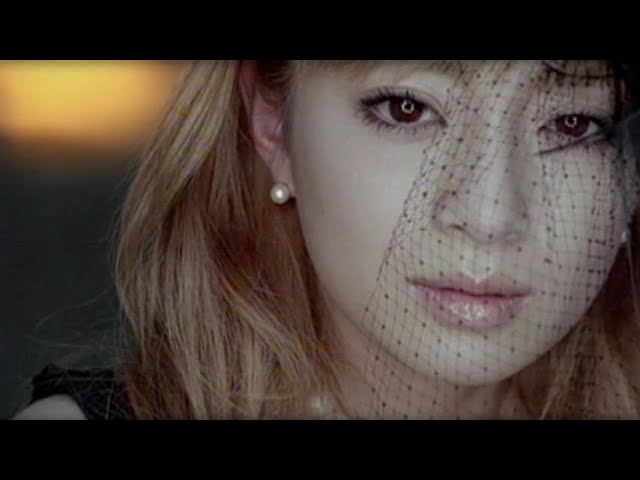
This is the 16th single by singer-songwriter Ayumi Hamasaki, who began her career as a model and actress and made her major debut as a solo singer in 1998.
The song was used as the theme for the TV drama “Tenki Yohou no Koibito” (The Weather Forecaster’s Lover) and was released as the third entry in the “Despair Trilogy,” following the previous singles “vogue” and “Far away.” With a distinctive yet translucent vocal melody, it’s the kind of song that people in their 30s—the generation that grew up with it—will feel like singing at karaoke.
It’s one of Ayumi Hamasaki’s signature tracks that sparked a social phenomenon, and we hope you’ll sing it at karaoke while reminiscing about your youth.