

[30s] Karaoke Popularity Ranking by Generation [2026]

We’re excited to present the latest rankings from the Karaoke by Age Group [30s] category, listed in order of most views! In the 30s category, songs that were popular in a given year tend to strongly influence the rankings.
At the same time, timeless hits from the ’90s and early 2000s are well represented, making for a consistently solid lineup.
The playlist is updated weekly.
- [30s] Karaoke Crowd-Pleasers Ranking [2026]
- [30s] Easy-to-Sing Karaoke Songs Ranking [2026]
- [30s] Popular Songs Ranking by Generation [2026]
- Women's Popular Karaoke Rankings [2026]
- [For women in their 30s] Karaoke songs that are popular with men
- [40s] Karaoke Popularity Ranking by Generation [2026]
- [For People in Their 40s] Karaoke Songs That Are Easy to Sing: 2026 Ranking
- Top Japanese Music / J-POP Rankings by Generation: 30s
- Top Karaoke Songs That Get 20-Somethings Hyped [2026]
- A roundup of songs for men in their 30s to sing [’90s–’00s tracks]
- Karaoke songs that are easy to sing even with a low voice (for women in their 30s)
- [20s] Karaoke Popularity Ranking by Generation [2026]
- Karaoke That Gets Everyone Excited: Women’s Rankings [2026]
[30s] Karaoke Popularity Rankings by Generation [2026] (Ages 31–40)
Promise of SunflowersHata Motohiro36rank/position
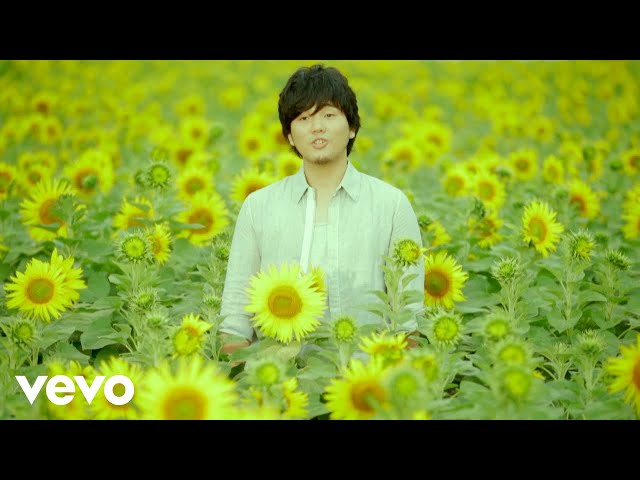
The song by Motohiro Hata, written specifically as the theme for a Doraemon film, explores friendship and love, portraying the beauty of bonds that transcend time.
It is a heartwarming classic that gently accepts parting from a loved one while conveying the importance of continuing to hope for a reunion, expressed through warm vocals and melody.
Released as the theme for the 3DCG animated film “STAND BY ME Doraemon,” which premiered in August 2014, the track reached No.
10 on the Oricon charts and is also included on the album “Ao no Koukei” (Blue Scenery).
The moving story and Hata’s clear, transparent voice harmonize beautifully, making it a work beloved across generations.
It’s the perfect song for those who cherish memories with loved ones or want to sing a heartfelt piece at karaoke.
Precious thingsroodo obu mejyaa37rank/position

Lord of Major is a rock band born from a documentary project on the popular TV show “Hamaraja.” Although they originated from a TV企画 (TV project), they specialize in punk rock and have left many memorable songs and a lasting mark on the scene.
Among their tracks, the one I especially recommend is “Taisetsu na Mono.” While the song spans a relatively wide vocal range, it’s surprisingly easy to sing because it works even when sung a bit rough.
It’s perfect for those who want to belt it out at full volume.

Things that have formShibasaki Kou38rank/position

It became a long-running hit as the theme song for the drama “Crying Out Love, In the Center of the World,” reaching No.
2 on the Oricon charts for three consecutive weeks and No.
6 for the year! It’s a ballad that portrays a heartrending romance, structured so that it starts quietly and the emotions explode in the chorus.
The tempo is slow, so the pitch bar is easy to follow and it’s easier to stay on pitch, making it feel singable even for beginners.
If you take solid breaths for each phrase and project your voice toward the mic, your expressiveness will score extra points too! For the start of the pre-chorus, come in with a firm voice, and in the chorus, don’t hesitate—letting your voice out boldly feels good and hits just the right spot.

Song of LoveKōda Kumi39rank/position

Kumi Koda’s classic song “Ai no Uta.” Since it was released in 2007, some people might not know it, but many have likely heard it through TV dramas and the like.
The piece is crafted as an emotionally rich ballad.
While it calls for a bit of expressiveness, its vocal range is narrow—mid1 G# to hi C—and the melodic rises and falls are gentle.
If you track the pitch carefully, it’s a song with which you can definitely aim for a high karaoke score.
May it be filled with kindnessJUJU40rank/position

JUJU’s song, which weaves a bittersweet love story, is a rock ballad released in February 2009.
Produced by Seiji Kameda, it was also featured as the collaboration commercial song for MTV Japan and Nissan Cube.
JUJU’s clear, gentle vocals tenderly embrace the feeling of continuing to think of someone dear, even when apart.
The lyrics convey a heart that cherishes small moments in everyday life and gratitude toward the other person, making it a track that resonates deeply with listeners.
If you sing it at karaoke, it’s recommended to pour your feelings for someone special into your performance.
[30s] Karaoke Popularity Ranking by Generation [2026] (41–50)
March 9Remioromen41rank/position
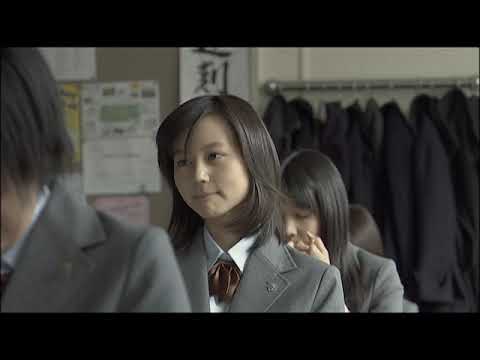
A classic that continues to be widely sung as a graduation and wedding song.
The overall vocal range is C3–G4, making it popular as an “easy-to-sing for men” track.
The tempo is relaxed, so you can take solid breaths and prepare while producing your voice comfortably.
Up to the chorus, the melody stays in the lower range, so trace the pitches carefully.
In the chorus the range rises, and if you’re not used to it, you might tense up.
Take a good breath on the beat before the chorus, then release it all at once!
StoryAI42rank/position

This is AI’s 12th single overall, released on May 18, 2005.
Because AI is highly acclaimed for her vocal ability—and on top of that, this is a slow ballad—many people who aren’t confident singers might hesitate to choose it at karaoke.
However, the melody itself isn’t difficult at all; it’s actually quite easy to sing, so there’s no need to be afraid of it.
That said, what’s important for making this song sound good is to thoroughly understand the piece, including the lyrics, before you sing.
I believe the most crucial point of expression in this song is conveying emotion through the lyrics and valuing the rests—the spaces between phrases and between words—as part of your singing.
