

![[Retro Games] Get hyped with nostalgic classics! Fun games that bring back memories](https://i.ytimg.com/vi_webp/XW7knQ8hv5Y/maxresdefault.webp)
[Retro Games] Get hyped with nostalgic classics! Fun games that bring back memories

Retro games have a charming, heart-thumping allure that comes with nostalgia, don’t they? The beeping sound effects and pixel-art worlds continue to captivate many people even today.
Perhaps you, too, have found yourself more absorbed by simple yet profoundly designed gameplay than by complex controls or flashy graphics.
This time, we’ll introduce you to the heartwarming world of retro games.
Encountering wonderful titles that let you relive the excitement of the past will surely inspire new ways to enjoy yourself.
[Retro Games] Get hyped with timeless classics! Fun games that bring back memories (1–10)
Chrono Trigger
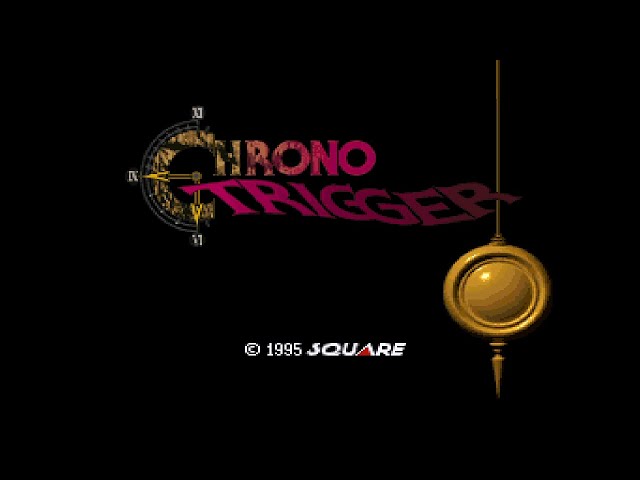
Released for the Super Famicom in 1995, this title is celebrated by gaming fans as an immortal classic.
It drew attention even before launch because it involved Hironobu Sakaguchi, known for the Final Fantasy series, and Akira Toriyama, famed for character design in the Dragon Quest series.
With a system easy for beginners to grasp and an epic story to experience, it was enjoyed by a wide audience beyond just FF and Dragon Quest fans.
It’s a work with many standout elements—story, soundtrack, characters, and more.

Super Donkey Kong

Released for the Super Famicom in 1994, this game drew attention at the time for its cutting-edge 3D graphics and beautiful BGM.
It also helped make Donkey Kong beloved by letting players control him—a character who had previously appeared as an enemy in earlier titles.
Known for its high difficulty, it challenged players to read stage mechanics and react accordingly; the sense of accomplishment upon clearing it may have further deepened its appeal.
Including the enemy characters that appear, it’s a work packed with many of the series’ defining elements.
Super Mario Bros.

It’s a side-scrolling action game starring Mario, the character who symbolizes Nintendo.
Although Mario had appeared in earlier games, this is where his image truly took root, so you could say it marks the beginning of Mario.
With straightforward controls—progressing while avoiding stage obstacles and enemies—the game is packed with clever ideas that went on to greatly influence later titles.
Because of the limited controls unique to the original, it’s considered one of the more difficult entries in the series and has remained beloved for a long time.
The Legend of Zelda
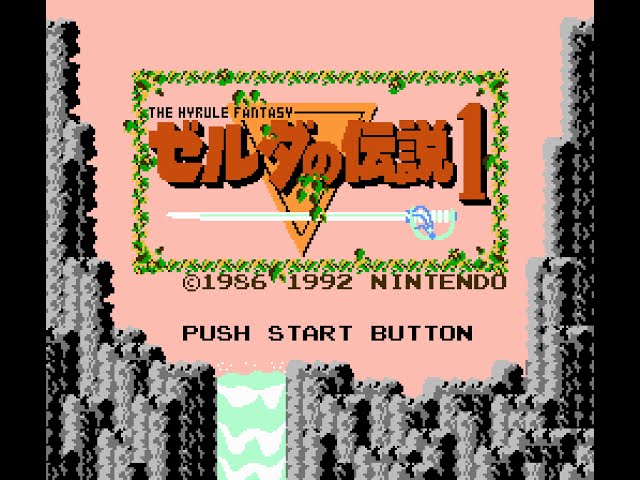
This is the first entry in The Legend of Zelda, a series that represents Nintendo, released in 1986.
Wielding a sword and shield and making use of various items, you venture forth in an adventure that’s appealing for how freely you can approach it.
While the game offers high freedom—such as not enforcing a set order for clearing dungeons—it provides few hints, making it hard to tell where you’re supposed to begin, and it’s often remembered as a difficult title for that reason.
Another frequently told anecdote is that, judging by the title alone, many people initially thought the protagonist Link was Zelda.
TwinBee
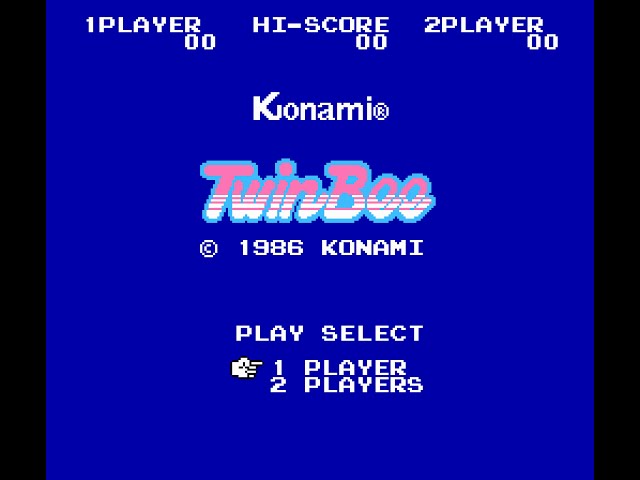
A vertically scrolling shooting game released by Konami, it first operated as an arcade title and was later ported to home consoles, where its popularity grew.
While most shooters at the time featured serious, space-combat settings, this one stood out for its pop-themed world.
Its controls were also notable: two-player simultaneous play and a cooperative progression system became established from this title onward—an essential point in the history of shooters.
Building on this original entry, the series expanded into various works and has been passed down as one of Konami’s flagship titles.
Tetris

It’s a game devised in 1984 by computer scientist Alexey Pajitnov, considered the originator of the falling-block puzzle genre.
In Japan, it debuted in arcades in 1988 and became a hit with its 1989 release on the Game Boy, spreading as a staple of puzzle games.
The rules are simple: complete a horizontal line to clear blocks, testing your ability to quickly decide where to stack pieces.
Its simplicity also makes room for many variations, and if you look around, you’re likely to find rule sets that make it even more enjoyable.
Dragon Quest III: And into the Legend…

Dragon Quest, one of Japan’s most iconic RPG series, saw its third installment become one of the most popular entries.
Its highly flexible party composition and the strategic depth introduced by the class-change system earned it strong praise for its gameplay.
Another major highlight was its grand story and foreshadowing; the revelation of its connections to the previous titles shocked many players.
With a narrative that captures the thrill of adventure and systems that let you play in your own style, it’s cherished as a legendary game.