


A round is a style of singing where you follow the person before you, coming in slightly later and chasing their line.
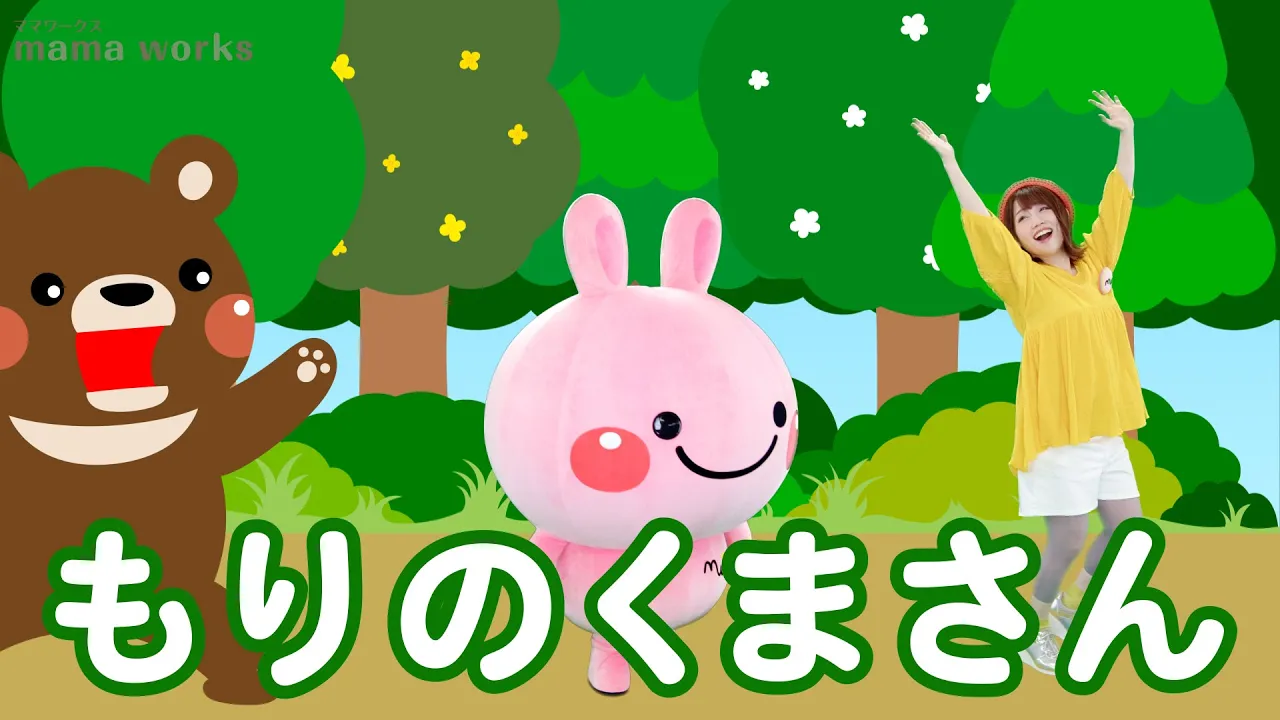
Many people probably sang well-known rounds like “The Frog Chorus” (Kaeru no Gasshō) and “The Bear in the Forest” (Mori no Kuma-san) when they were children.
So, what other rounds are there besides these?
In this article, we’ll introduce a variety of rounds, from classic staples to lesser-known gems.
Songs used for rounds often have fun and amusing lyrics.
If any catch your interest, be sure to pay attention to the lyrics and try singing them as a round for fun!
- [For Seniors] A heartwarming round song. Let’s layer our voices with this nostalgic classic.
- [Childcare] Recommended for little kids! A fun round song that makes you want to sing!
- Nursery rhymes to sing in spring: a collection of classic songs you'll want to sing with your children
- [Partner Song] Singing two different songs simultaneously! Nursery rhymes & the latest hits
- Let's sing together! A collection of nursery rhymes everyone knows
- Collection of winter nursery rhymes, folk songs, and children's songs. Includes fun winter hand-play songs too.
- Tongue twisters that will make you laugh out loud! Super funny
- [Simple Games] Recommended Indoor Recreational Activities for Adults
- A collection of cheerful nursery rhymes—songs that make you feel happy when you sing them.
- [Choral Piece] Difficult but cool! A work that overwhelms its listeners
- [Warabe-uta] Beloved Classic Songs Passed Down Through Generations
- Games you can play with just conversation. Classic and popular activities you can enjoy without any props!
- Get pumped with kids’ favorite songs! A memorable collection of classics that will make you want to sing along
Be careful not to get carried away! A roundup of challenging but fun canon songs (1–10)
The Bear of the Forestamerika min’yō

Alongside “Frog Chorus,” “The Bear in the Forest” is a round song that is very familiar to Japanese people as a children’s tune.
Its original melody comes from an American nursery rhyme, and in Japan it became widely known nationwide after being featured on the famous music program “Minna no Uta.” The lyrics tell a story, and it’s quite clever that you only get the punchline by singing through verse five.
Since it’s a pattern where the same lyrics are sung alternately in a round, the difficulty level is low; however, as mentioned, the song has five verses, so it may require some caution if a child who doesn’t have much patience for longer songs wants to give it a try.

A quiet lakesideAmerika no dōyō

The children’s song “Shizukana Kohan” (Quiet Lakeside) is based on an American nursery rhyme.
It’s enjoyable even without singing it as a round, but if you do, it creates the feeling that the birds mentioned in the lyrics are echoing all around.
In the Japanese lyrics, two types of bird calls are sung, while in the original song, “Sweetly Sings the Donkey,” you imitate a donkey’s bray.
Try singing it as a round by the quiet, peaceful lakeshore, listening closely to the sounds of nature.

maple leavesSakushi: Takano Tatsuyuki / Sakkyoku: Okano Teiichi

The classic children’s song “Momiji,” which conjures up autumn scenes of trees turning red, was created by Tatsuyuki Takano and Teiichi Okano, who produced many beloved kids’ songs.
The basic way to perform it is to sing the verses as a round up to the chorus, then switch to unison on the same melody—or add harmony—during the chorus.
Although lyrics with a narrative can seem difficult to sing in a round, the tempo is gentle, so you’ll get used to it quickly after a few tries.
On an autumn day, let your beautiful singing voice ring out, as lovely as the vibrant fall foliage.
Algorithm Marchitsumo koko kara

The “Algorithm Exercise” aired on NHK’s children’s program PythagoraSwitch.
On the show, it was introduced as a set of exercises where you repeat movements that absolutely won’t make you bump into the person next to you, but it’s actually a song you can also enjoy as a round.
The lyrics make it crystal clear how to move, so they’re very easy to memorize, and even kids will be able to try singing it in a round right away.
Just be careful: if you try to do the exercises while singing in a round, your movements may get out of sync and you could end up bumping into each other.

Snow DanceSakushi: Yui Keizō / Sakkyoku: Cheko minyō

The song Snow Dance depicts snow steadily piling up.
Although it was composed based on a Czech folk song, the original lyrics do not mention snow at all.
The new lyrics expand on the image of watching the falling snow, as if it were dancing, and cheerfully wish for even more to fall.
Because the tempo is a bit fast, the difficulty level is slightly higher, so start practicing at a slower tempo.
Once you can sing it briskly in a round, you’ll really feel the scene of snow rapidly piling up!
Warm and leisurely strollingSakushi: Sakata Hiroo / Sakkyoku: Komori Akihiro

A lively song that makes you want to go outside for a walk! The popular children’s song “Pokapoka Tekuteku,” often sung in daycare and kindergarten, is an adorable tune that depicts children having a great time on an outing.
While it’s often sung simply as-is, it’s actually perfect for singing in a round, too.
Once you’ve learned the lyrics, let’s sing with lots of energy—marching in place, walking around the classroom in circles, or adding simple choreography to get your bodies moving!
rice paddleSakushi: Komiyaji Satoshi / Sakkyoku: Doitsu

A round song starring the rice paddle that will have you craving freshly steamed rice as you listen.
Many rounds end up with a bit of dissonance partway through, but this one has beautiful harmonies throughout, so you can enjoy singing it in a round all the way to the end.
The compact, easy-to-remember lyrics are a nice bonus.
Even children who aren’t fond of rice might feel like giving it a try after happily singing along in a round while watching a video of fluffy rice being served with a paddle!