

![[Make Music Education More Fun] The Appeal of Eurhythmics, Where You Can See Children’s Growth](https://media.ragnet.co.jp/img/1200__jpg__https://www.ragnet.co.jp/files/2016/06/623b1bdbb056c596ccc954611ac37359.webp)
[Make Music Education More Fun] The Appeal of Eurhythmics, Where You Can See Children’s Growth

Did you know that rhythmics (Eurhythmics) classes for little children have been popping up everywhere lately?
If you’re thinking, “Huh? What’s that—some new kind of early childhood education?” then today I’m going to tell you all about the appeal of rhythmics!
What is Eurhythmics?
Eurhythmics is a method developed by the Swiss composer and music educatorDalcrozea music education method devised byIn recent years, it has been widely utilized not only as a form of music education but also as early childhood education aimed at nurturing children’s sensibility, intellect, and motor skills.is being done.
At first glance, eurhythmics may seem like children simply having fun playing and dancing to music, but in fact it is an educational program filled with many objectives, through which children unconsciously and steadily develop their inherent abilities.
What do you do in Eurhythmics?
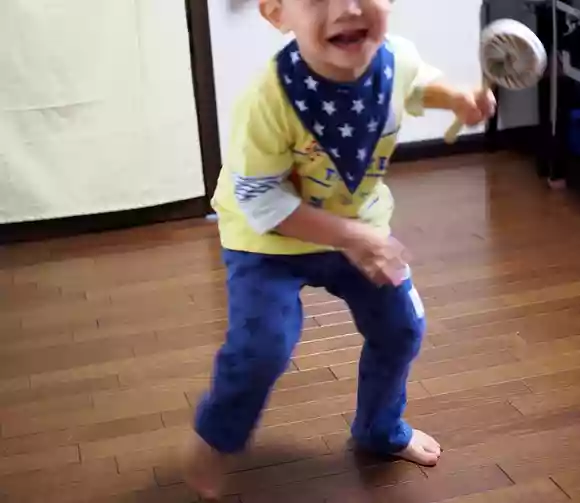
Well then, let me introduce what we actually do in the Eurhythmics class to draw out and boost the children’s abilities!
A basic program that even small children can do easily and enjoy! “Walk, then stop!”
During 'walking music,' the music is deliberately stopped to give a silent instruction to 'stop.'
In other words,
- Voluntarily noticing the presence or absence of sound (listening to sounds = the basis for listening to people, building concentration)
- Learn and follow the rule: when the music stops, you stop too (building a foundation for cooperativeness).
- Stop your moving body on a dime (boost your motor skills!)
It’s a program designed for that purpose.
From an adult’s perspective, it’s a very simple repetition of “walk and stop,” but for little children, it’s one of the most enjoyable music activities.
At first, everyone keeps walking without realizing the music has stopped, but as they get used to it, they can come to a dead stop.
And before long, they’ll start eagerly looking forward to the next time the sound stops, thinking with excitement, “I wonder when it will stop this time?”
In other words, they come to realize the fun of games with rules.
Once that happens, the advantage is ours! Your ability to focus on sounds will steadily improve, and you’ll get astonishingly good at switching from action to calm!
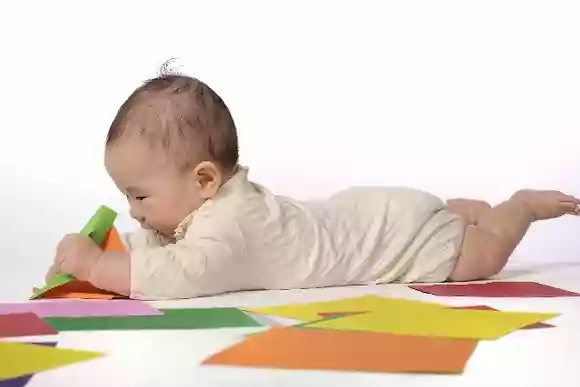
Not just playing with music—we also do crafts!
http://www.photo-ac.com/
Of course, if we always use the same program, the children will get bored, so we regularly prepare seasonal activities and crafts to richly stimulate your child’s sensibilities and intellectual curiosity.
We'll train not just our ear but our hands too! “A Rainy Day Stroll with a Handmade Umbrella”
This is also a program based on “walking music,” but this time we’ll add “rain music” as well.
The program follows a flow of “Let’s go for a walk!” → “Oh! It started to rain! We’ll run so we don’t get wet!” This also helps develop concentration, awareness of rules, and motor skills.
But in this program, we take it a step further and connect it to making origami umbrellas, saying, 'We’d like an umbrella for a rainy day stroll!'
Yes, it's finger training!
It’s often said, “If you train your fingertips, you’ll never grow senile!” That’s how closely the fingertips and the brain are connected, and training your fingertips can help activate the brain.
So it depends on the class, but many Eurhythmics classes take opportunities not only for musical activities but also to include crafts and other projects.
By the way, when we did this program in my classroom, we made umbrellas like these using origami paper and straws.
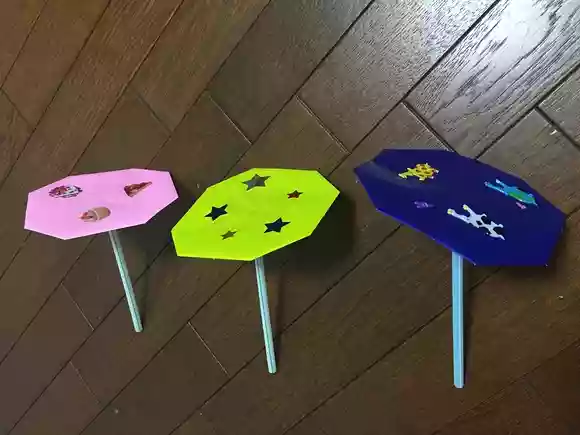 At first glance this looks difficult, but a kindergartener (older class) can whip it up in just 2–3 minutes.
For children who are too young to make it on their own, prepare most of it in advance and let them enjoy creating within their abilities—for example, by sticking on stickers as umbrella decorations.
By the way, sticking stickers is perfect for training fine motor skills, so we do it often in our classroom.
And at that time, a few points I’m careful about are:
- Decide the number of stickers from the start, such as “Stick five!”, and count the stickers together. (Learn the concept of numbers)
- Decide where to stick it, such as “Put it on the marker!” (Helps them learn fine finger control to hit a target precisely)
And so on.
At all times, eurhythmics never loses sight of its educational goals!
When they do Eurhythmics while holding the individually crafted creations they made, the children become more engaged and immersed in the program, and the effects of Eurhythmics are doubled!
Children grow and develop at an amazing pace!
Eurhythmics that joyfully draws out children’s smiles and motivation, naturally connecting them to growth.
Not just music education, and not just intellectual development either.
That is the charm of eurhythmics.