




Want to try a multiple-choice quiz for elementary school kids?These fun trivia quizzes about familiar things—like the secret of an egg’s color or how long a line you can draw with a single pencil—are full of “Wait, really?!” moments.With four choices, you can use the options as hints, making it perfect for lively fun with family and friends.In this article, we’ve gathered a bunch of entertaining four-choice quizzes that will captivate elementary schoolers.Aim for a perfect score and jump right in!
- [Easy] Quizzes That Elementary School Students Can Solve! A Collection to Nurture Wisdom
- Let's take on a four-choice quiz that everyone can enjoy together!
- [Interesting] Compilation of Trivia Quiz Questions
- Quiz for elementary school students: Easy! Fun! Question collection
- [Common Sense & Trivia] True-or-False Quiz with Knowledge for Elementary School Students
- Surprisingly unknown? Trivia Quiz [Multiple Choice: 3 Options]
- Fun quizzes for elementary school kids: a collection of questions everyone can enjoy together
- Let's get excited with a two-choice quiz that everyone—from kids to adults—can enjoy!
- [For Elementary School Students] A Four-Choice Proverb Quiz Recommended for Kids
- [For Elementary School Students] Animal Quiz to Learn Knowledge and Fun Facts
- How Much Do You Know? Food Quiz for Elementary School Students
- [Killing Time] A Collection of Fun Trivia Quizzes You'll Want to Share with Someone
- [Knowledge Expander!] A Three-Choice Quiz about Fish for Elementary School Students
Become a trivia master with 4-choice quizzes for elementary schoolers! A fun set of questions (1–10) that fascinates both kids and adults
How much did the first ice cream sold in Japan cost?

- 800 yen
- 5,000 yen
- 3,000 yen
- 8,000 yen
See the answer
8,000 yen
Ice cream first appeared in 1869 (Meiji 2) and was sold under the name “aisukurin,” but at about 8,000 yen in today’s money it was so expensive that ordinary people could hardly afford it. While the price seems shocking compared to today’s cost of living, it was because the techniques and ingredients needed to make ice cream were very rare at the time.

It’s said that finding a four-leaf clover brings “happiness” because its shape resembles something. What is that shape?

- windmill
- cross
- windmill
- heart
See the answer
cross
The way the four leaves meet in the center makes them look like a tiny cross. People in the past cherished the cross as a special symbol, so when they found a clover of this shape, they felt happy and protected. That’s why finding a four-leaf clover makes you feel lucky.
What would happen to an egg if you put it, shell and all, into vinegar?
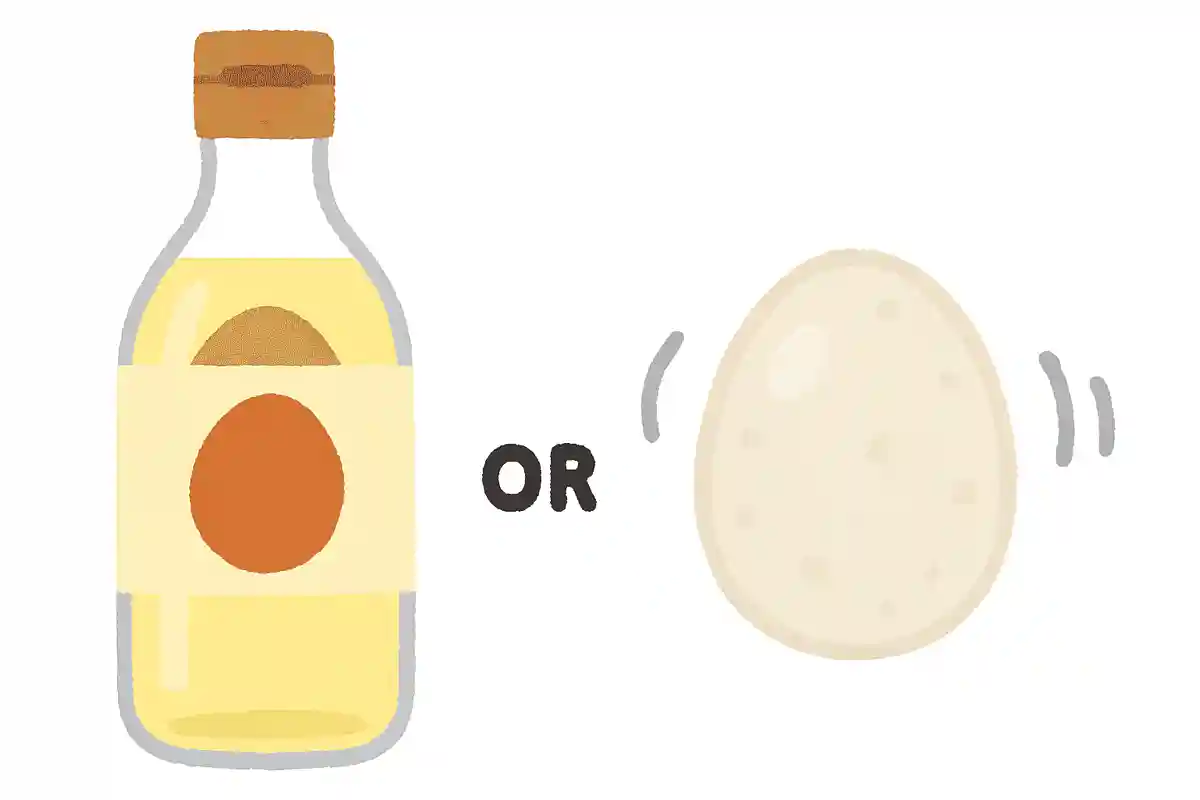
- Become a transparent egg
- Become an egg that reflects everything like a mirror
- The egg melts and disappears.
- The egg becomes as hard as a rock.
See the answer
Become a transparent egg
If you put an egg, shell and all, into vinegar, after a while the shell will gradually dissolve. Eggshells are made of calcium, and the acidity of the vinegar dissolves them. Once the shell is gone, only the white membrane inside remains. When you touch it, it feels soft and springy, like a rubber ball. And because there’s no shell, you can see through from the outside to what’s inside. This is why it becomes a “transparent egg.” You can even see a bit of the yolk inside—it’s a very fascinating experiment.
Slugs dissolve in salt, but there’s another seasoning that also makes them dissolve. What is that seasoning?
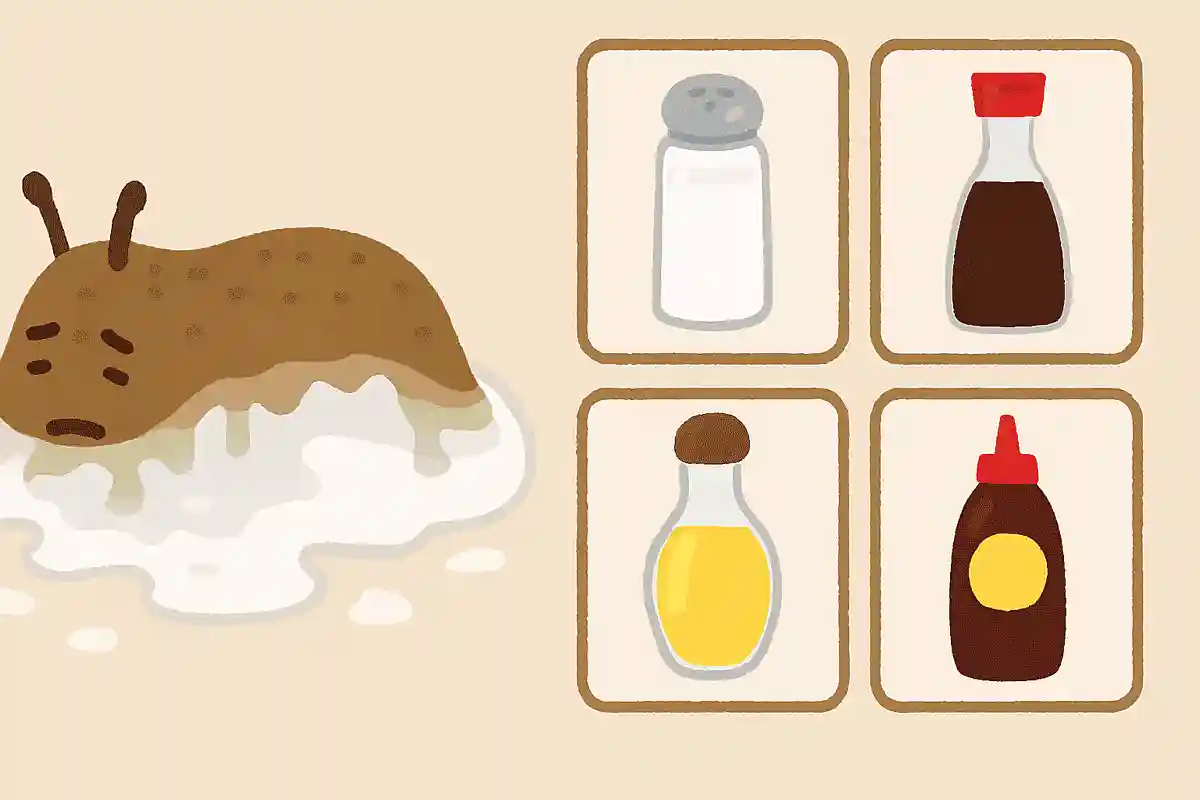
- soy sauce
- sugar
- flour
- potato starch
See the answer
sugar
Slugs are made mostly of water. So if you sprinkle sugar on them, the water in their bodies is drawn out, and they shrivel up. This happens because the surrounding substance works to absorb water. Like salt, sugar strongly attracts water. As a result, the moisture in the slug’s body is taken away, making it look as if it has melted. But it’s cruel, so let’s not do it carelessly. What’s important is understanding why it happens.
There is something that plants have just like humans. What is that something?

- brain
- heart
- ear
- blood type
See the answer
blood type
In fact, it’s said that plants, like humans, have blood types. Of course, they don’t have red blood flowing through them, but flowers and trees do have different types. For example, even within the same species of plant, fruit may not form if the types are incompatible. This is thought to be a mechanism similar to human blood types.
What was the quirk of the famous composer “Beethoven”?
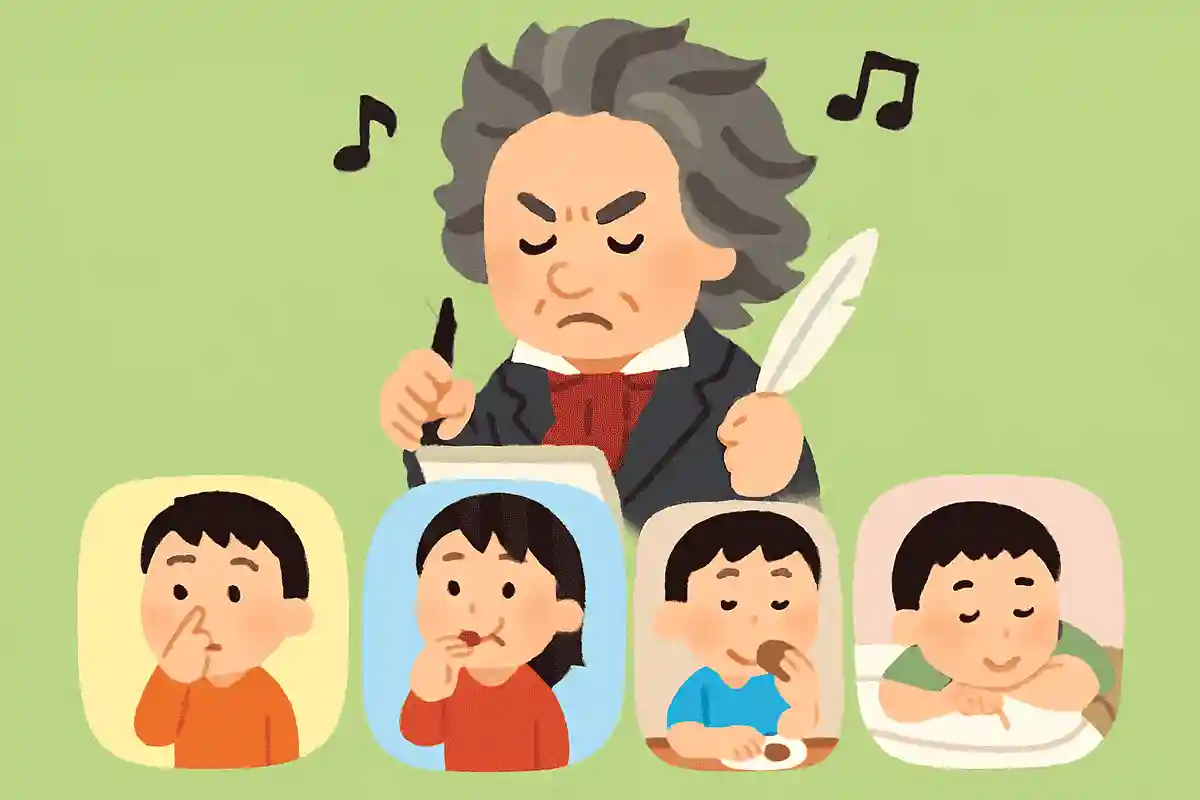
- blink one's eyes rapidly
- bite one's nails
- Wash your hands thoroughly
- After sneezing, say "Great Demon King"
See the answer
Wash your hands thoroughly
It is said that Beethoven would carefully wash his hands many times before playing the piano or writing music. Perhaps he felt that if his hands weren’t clean, good music wouldn’t be born. He used so much water that people around him were sometimes astonished. It’s interesting to think that even someone who created such wonderful music had quirks like this, isn’t it?
Hiccups stop when you lick a certain seasoning. What is that seasoning?
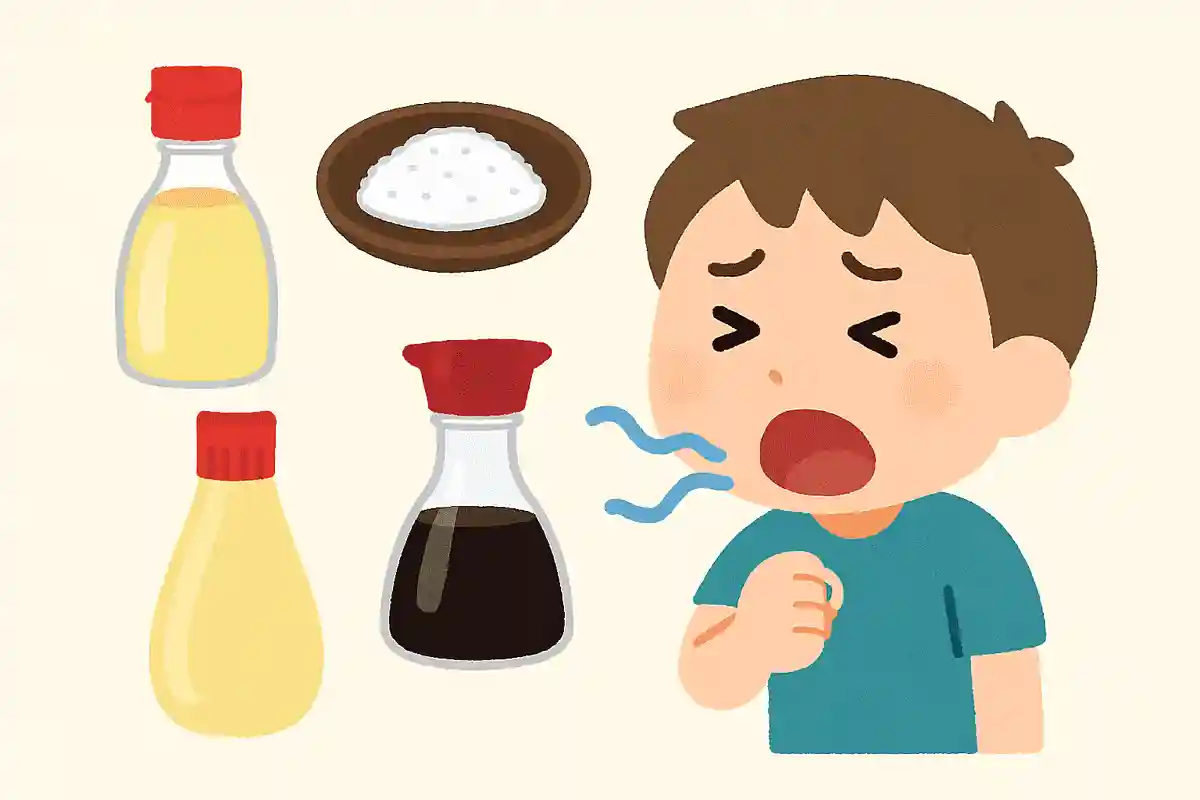
- vinegar
- sugar
- salt
- soy sauce
See the answer
sugar
When you get the hiccups, it can be troublesome because they’re hard to stop, right? At times like that, it’s said that licking a little bit of sugar can make them stop more easily. When sweet sugar enters your mouth, it startles your throat and tongue, which resets the bodily movement causing the hiccups. If you’re having trouble, don’t panic—just try a little bit.