

[Play Right Away!] Exciting Recreation Games Recommended for Elementary School Students

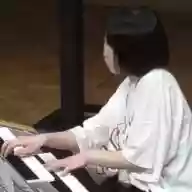
Lively, fun recreation games that get elementary school kids excited! Whether in the classroom or the gym, there are plenty of activities that bring smiles to everyone’s faces.
Here, we’ll introduce fun ideas ranging from team-versus-team cooperative games and brain-teasing hiragana quizzes to active ball tag—everything from no-equipment options to games you can enjoy with simple prep.
These games help deepen friendships and reveal new sides of each other, so be sure to enjoy your time with friends through play!
- [Elementary School] Quick and Easy! Indoor Recreational Activities Perfect for Lower Grades
- Recommended for upper elementary grades! Exciting indoor recreation and games
- Play ideas kids can enjoy from 1st to 6th grade [indoors & outdoors]
- Games and activities everyone can enjoy together. A collection of fun play ideas.
- [Children’s Club] Easy and fun indoor games. Exciting party games
- Elementary School Fun Day a Big Hit! Indoor Game Idea Collection
- No worries even in the rain! Fun recreational activities you can do in the gym
- Get the Fun Going! Easy Classroom Games You Can Play at School: Recreational Activities for the Whole Class
- A collection of simple indoor recreational games
- [For Kids] Today's Recommended Recreation Idea Collection
- [Elementary School Rec] Recommended Games and Performances for a Fun Party
- Popularity ranking of recreational activities for children
- A big hit at after-school childcare! A special feature on group games and activities you can play without any equipment
Team Competition & Cooperative Recreation Games (31–40)
Say-and-Do Game

Let me introduce a game called “Follow What’s Said/Do the Opposite.” The teacher plays the role of the leader, and the students are the participants.
When the teacher says, “Say the same, do the same: right,” the students move to the right.
If the teacher says “left,” they move to the left in the same way.
Next, if the teacher says, “Say the same, do the opposite,” then when the teacher says “right,” the students should move to the left.
If the teacher says “forward,” they should move backward.
As you play, your brain might get confused and you may not be sure how to move.
Stay calm, think it through, and give it a try.
It’s also fun to speed it up as you go!

7 park games kids can play without equipment
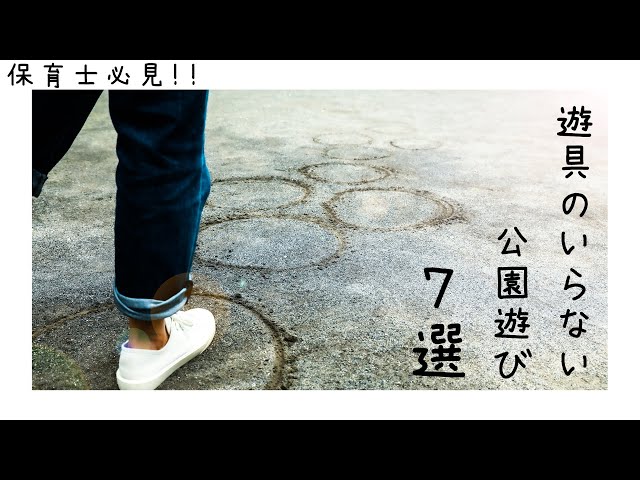
Park games that everyone from small children to adults can enjoy together without any preparation are great because they can be played with whoever happens to be there.
Hopscotch, hand-pushing sumo, number games, playing house, shadow play, and drawing are all familiar activities that don’t require any equipment.
You can also use natural materials like pebbles and sticks, which makes it easy to invent games and come up with original rules with friends.
Let’s make the most of the wide-open space of the park and have fun moving our whole bodies with games that can only be enjoyed in such a setting.
Without Katakana

In everyday life, we often use words written in katakana.
Here, we’d like to introduce “Katakana-ashi,” a game where you explain a given topic without using katakana.
For example, you show a ball used in P.E.
and ask, “What is this?” The answer will likely be “ball.” Next, have them describe the ball without using any katakana.
Children will likely search for answers by thinking of various words in their heads.
Try switching the roles of questioner and answerer and give it a go.

straw airplane

Popular in after-school care, the “straw airplane” is a fun craft that’s easy to make with a straw and construction paper—and it flies really well.
First, cut off the bendy part of the straw with scissors so it’s straight.
Next, cut two long, narrow strips from the construction paper, roll each into a ring, and tape them to the front and back of the straw.
Using a smaller ring in front and a larger ring in back makes it stable and helps it fly surprisingly far.
Kids are amazed at how it flies differently from a regular paper airplane! You can compete to see whose airplane flies the farthest, try different throwing techniques, and enjoy playing over and over.

Bomb Game

Children dash past, laughing, “Run for it!” That’s the thrilling scene of the Bomb Game.
Place mats for the start and finish, and if you make it across while dodging the rolling balls, you succeed.
The rules are simple, but by gradually increasing the balls’ speed, throwing in feints, or changing the timing, it stays fresh and exciting every time.
Each playthrough builds problem-solving—“How should I dodge?”—and trains not only physical ability but also reflexes and concentration.
It’s safe to play indoors, and the easy setup is another big plus.
Team Competition and Cooperative Recreation Games (41–50)
Eurhythmics with the children’s song “Matsubokkuri”
Eurhythmics set to the popular children’s song “Matsubokkuri” is perfect for those who want to freely enjoy expressing themselves.
As you walk around the room to the song, clap your hands, touch different parts of your body, and move freely.
Adding facial expressions can spark communication with one another and make it even more exciting.
Eurhythmics, which lets you feel the vibration and comfort of sound, is a rhythm activity everyone can enjoy while moving together.
Give it a try with everyone—from little kids to adults!
Reflex Game

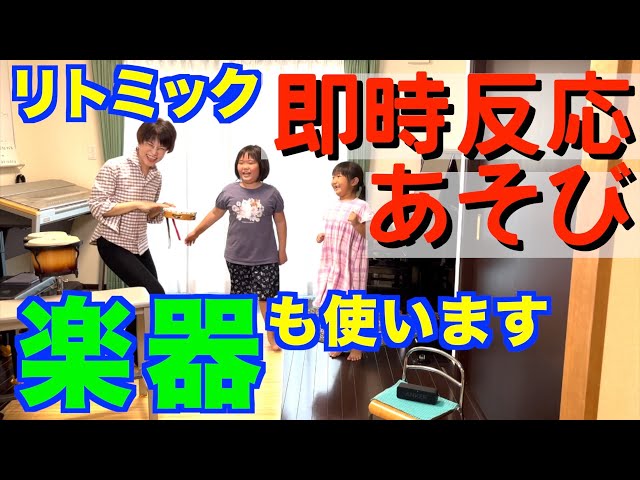
We’d like to introduce an idea for a group game called the “Quick-Reaction Game,” perfect for after-school programs because the rules are simple and you can adapt it freely.
The basic rule is: when the leader meows like a cat (“meow”), the children must immediately raise their hands.
That alone is simple, but by mixing in feints—like a dog’s bark or a wolf’s howl—you add just the right amount of thrill and laughter.
You can also use instruments instead of animal sounds.
For example, the bell sound means correct, while castanets or a tambourine indicate a trick.
Using familiar instruments makes it fun while building focus and reaction speed.
It’s a highly adaptable, recommended game that you can play over and over, adjusting for different ages and group sizes.