

Loosen up your mind! Boost creativity with lateral thinking quizzes for elementary school students

A lateral thinking quiz that lets kids build logical thinking skills while having fun by asking questions repeatedly! Even problems that look simple at first require unexpected ideas and shifts in perspective, so both adults and children will be hooked.
In this article, we introduce lateral thinking quizzes for elementary school students.
It’s a great way to exercise your brain in a playful way—thinking together noisily with the whole family or taking turns quizzing each other with friends.
Take this opportunity to try these lateral thinking quizzes that help you develop unique creativity!
- Fun quizzes for elementary school kids: a collection of questions everyone can enjoy together
- [For Elementary School Students] Recommended Riddle Collection
- Fun Quiz Collection Guaranteed to Stump and Delight Elementary School Kids
- Recommended for lower grades! A fun, educational quiz for elementary school students
- Simple! A quiz for kids. Let’s develop their thinking skills!
- [Satisfying When Solved] Challenging Quizzes Recommended for Elementary School Students!
- [Easy] Quizzes That Elementary School Students Can Solve! A Collection to Nurture Wisdom
- For elementary school kids! Fun riddles recommended for lower grades
- Fun for adults too! Trick questions for elementary school kids
- Quiz for elementary school students: Easy! Fun! Question collection
- Recommended riddles for elementary school students. A collection of kid-friendly riddles.
- A lateral thinking quiz that tests your flashes of inspiration. Problems that make you stop and think.
- Fun trick riddles you can enjoy in elementary school!
Flex your brain! Boost creativity with lateral thinking quizzes for elementary school kids (1–10)
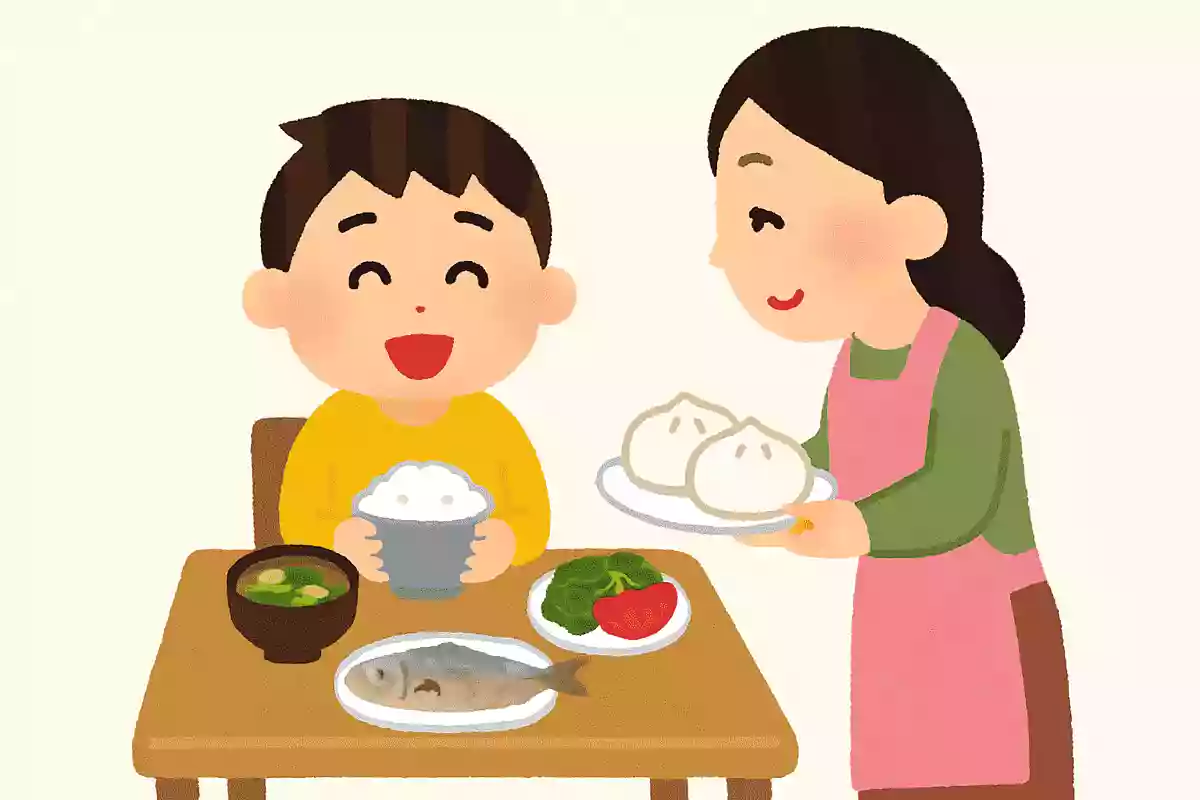
Akira doesn’t work and can’t earn money, yet he can eat until he’s full every day. How is that possible?
See the answer
Because Akira is a child, their family prepares meals for them.
Akira is a child who doesn’t work, so he can’t earn money. However, his family prepares meals for him, so he gets to eat until he’s full every day. The key to this quiz is that it says “Akira” and not “Akira-kun.” Many people might have assumed Akira was an adult because of the word “work.”
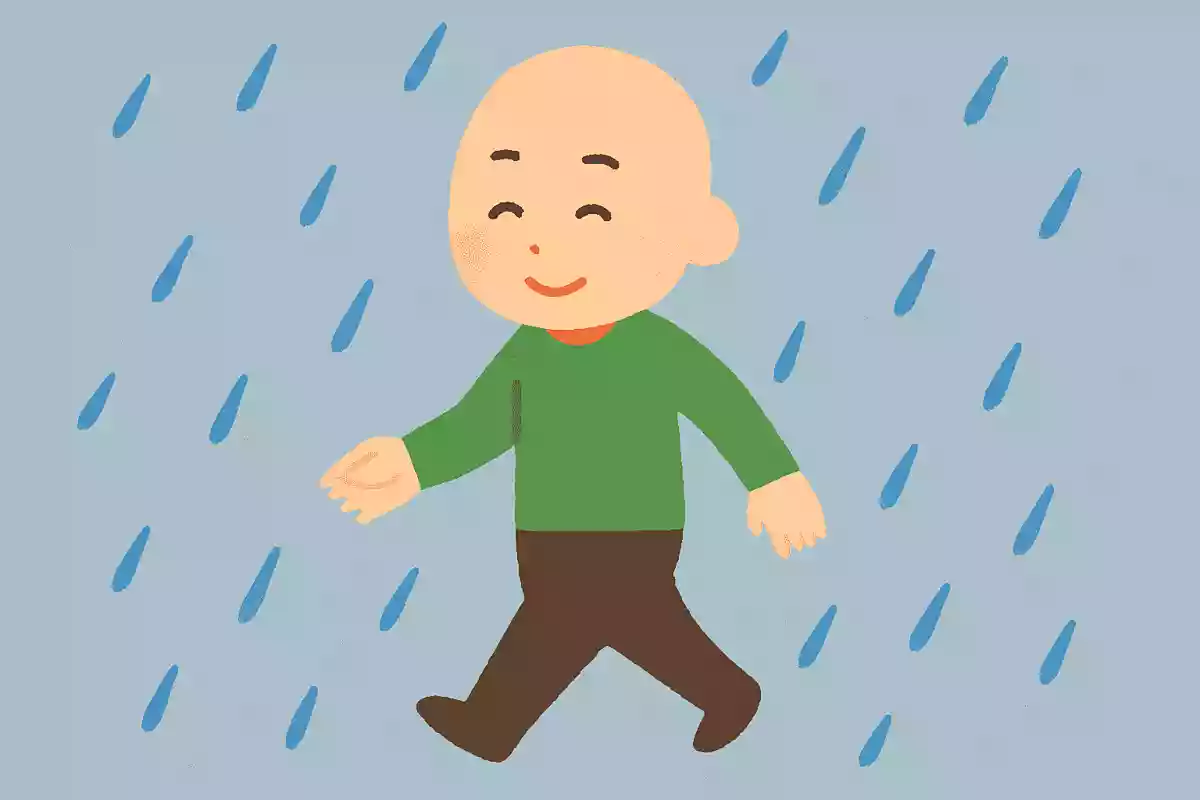
He was walking in the rain without a hat or an umbrella, but his hair didn’t get wet. Why is that? Because he was bald.
See the answer
Because that person had no hair.
The person was bald, so they didn’t have any hair to begin with. That’s why even if they got caught in the rain, their hair didn’t get wet. It’s a tricky question, isn’t it? It’s a very funny quiz, but don’t try it on a school principal who has no hair! People with lots of hair might be the ones who don’t get it!
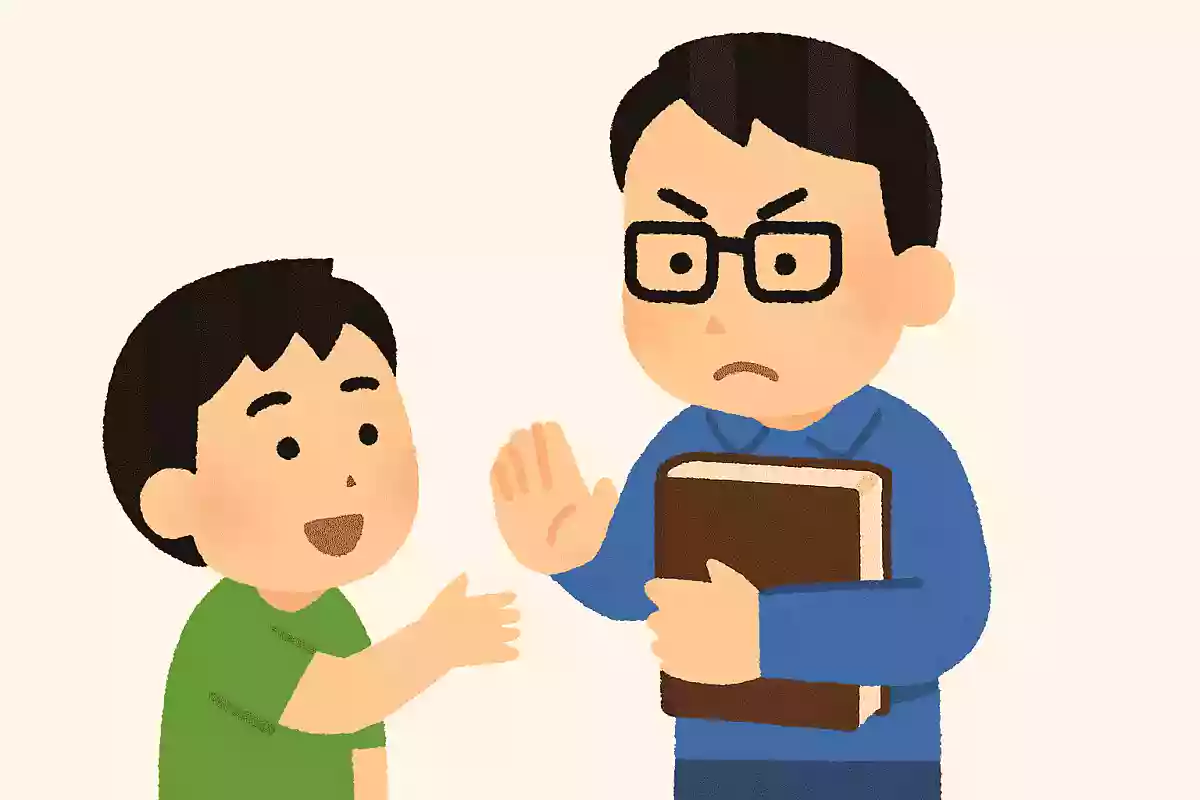
Even if you ask a bookworm to lend you a book, they won’t. Why is that?
See the answer
Because I'm reading it as an e-book.
They weren’t being mean by refusing to lend the book—it was because they were reading an e-book. Unlike a paper book, you can’t just hand over an e-book to someone. This puzzle is a creative thinking exercise that even elementary school kids can enjoy, where you reach the answer by looking beyond fixed ideas. Because it uses familiar items like e-books and paper books as its theme, learners can experience the fun of thinking in a relatable way.

Loosen up your thinking! Boost creativity with lateral thinking quizzes for elementary schoolers (11–20)
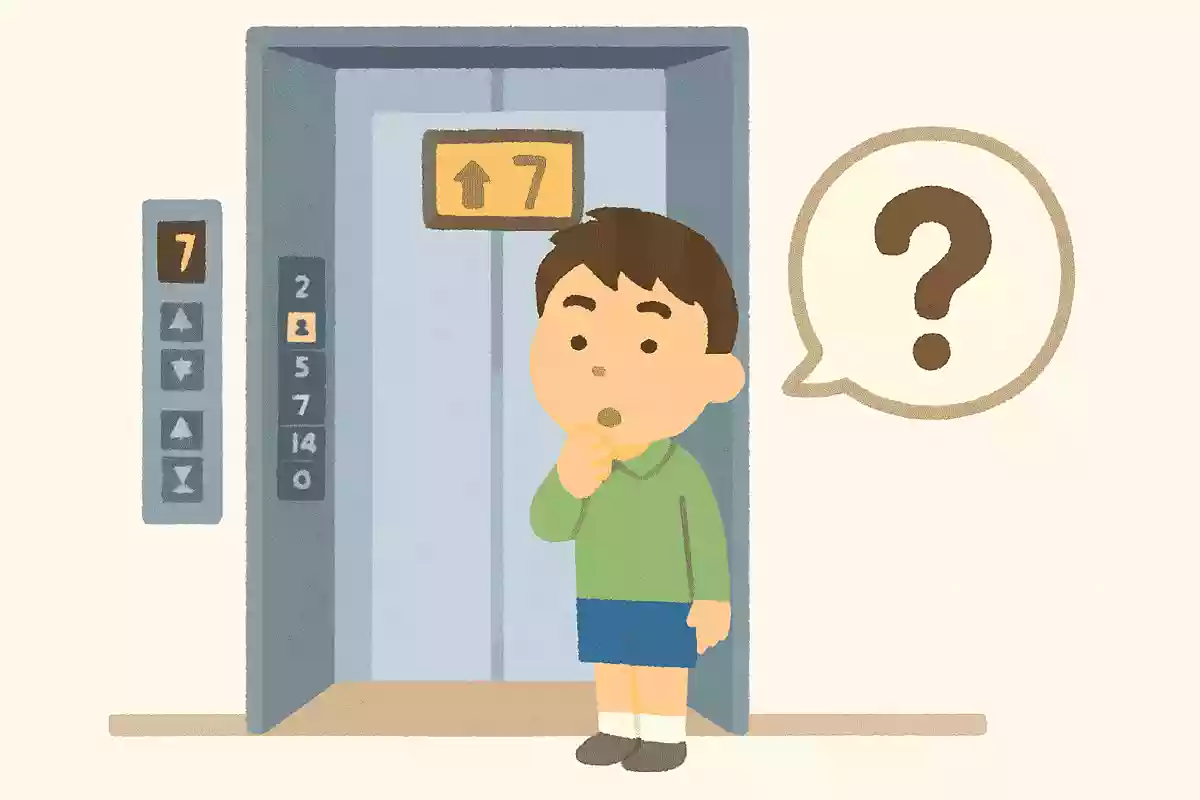
I got in the elevator to go to the 12th floor, but I got off on the 7th floor. Why is that?
See the answer
Because I'm short and couldn't reach the button for the 12th floor.
If you try to answer based only on the problem statement, you might end up heading in the wrong direction, right? The reason they got off on the 7th floor was because they couldn’t reach the button for the 12th floor. Maybe the person who got in the elevator and tried to press the button was a small child. Imagining that scene feels heartwarming. Asking a question that reveals the person is short might get you closer to the correct answer.

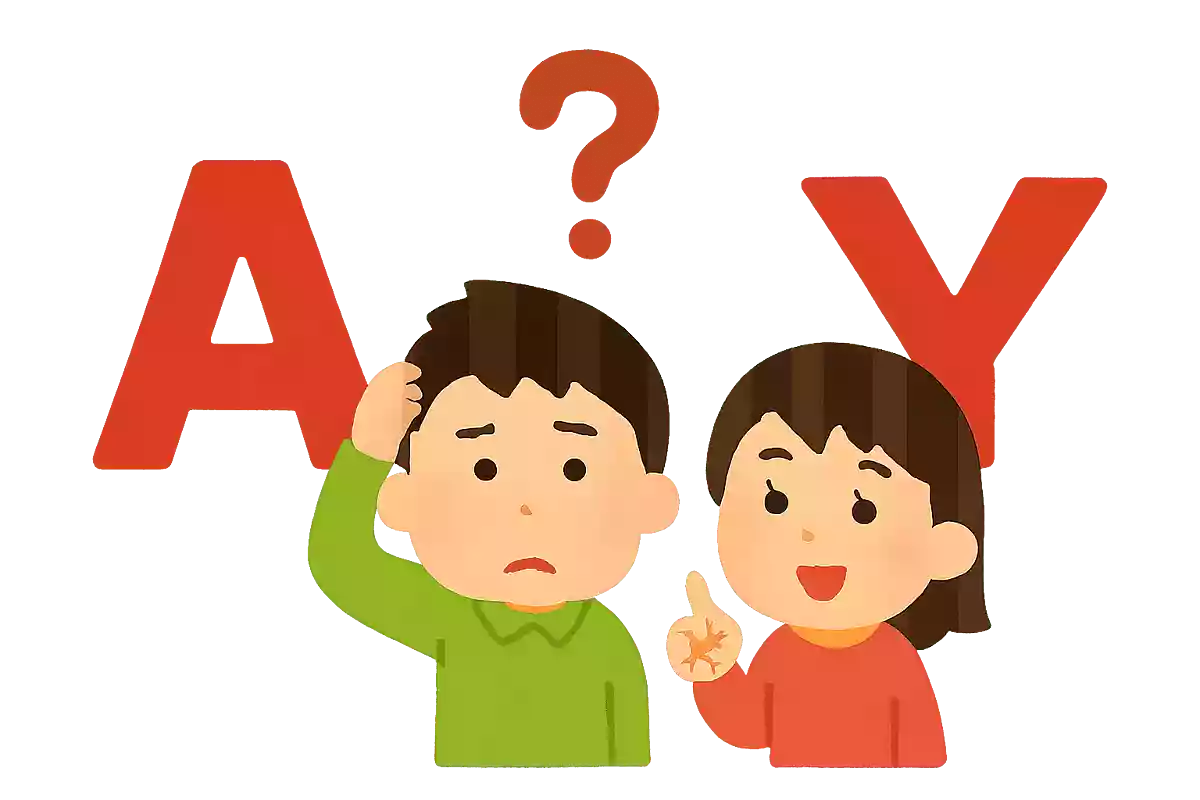
The first letter of the alphabet is A, but the last letter is not Z. Why is that?
See the answer
When you write 'alphabet' in English, the last letter is 't'.
The alphabet starts with A, right? But the last letter isn’t Z—it’s “t.” If you hear the answer without figuring it out, you might wonder “why?” In English, “alphabet” is spelled “alphabet.” It begins with A, but the last letter is “t.” The key seems to be the idea of transforming words and asking questions that lead you to the answer.
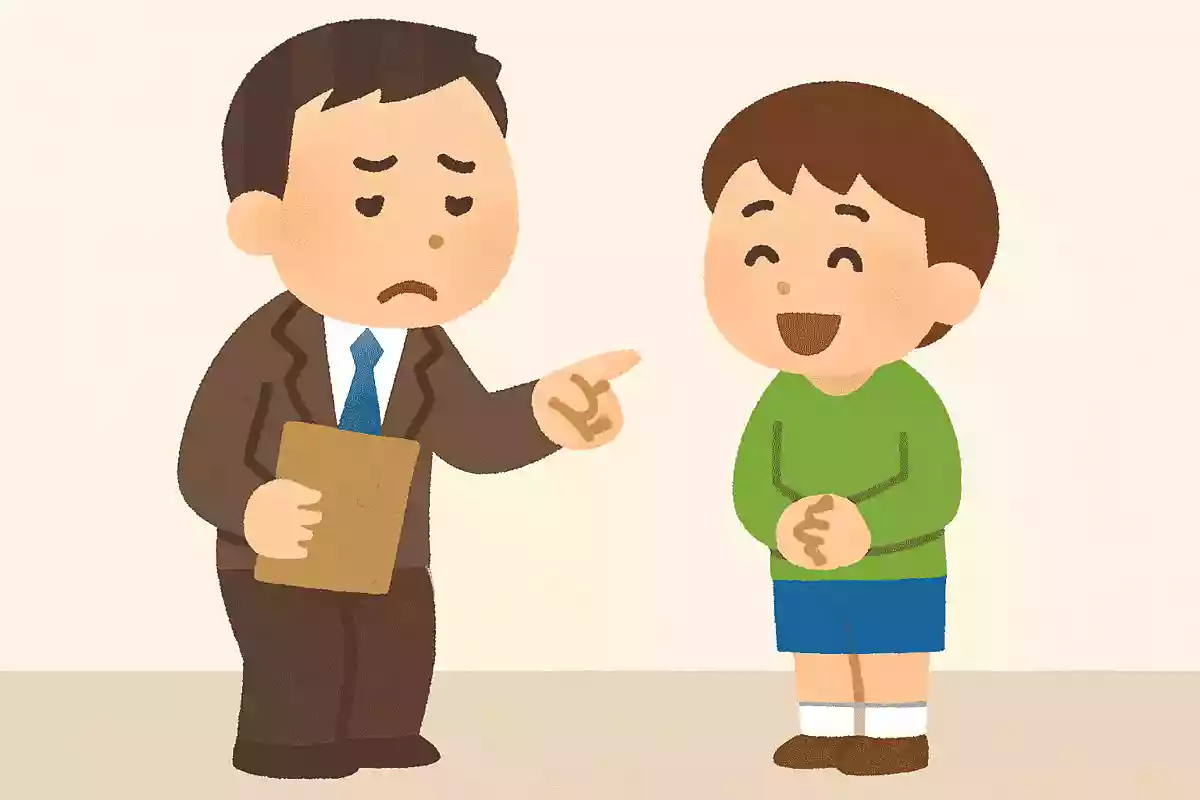
The teacher pointed out what was wrong, but the child was grateful. Why do you think that is?
See the answer
Because I was told about the dirt on my face when there was no mirror
The “bad part” is “the dirt on one’s own face.” The child, who hadn’t noticed because there was no mirror, was grateful to the teacher for pointing out the dirt—an example of a shift in perspective. Whether you’re a boy or a girl, it’s good to pay attention to daily grooming. It’s also a question where “having the doctor find what’s wrong” should be accepted as correct!
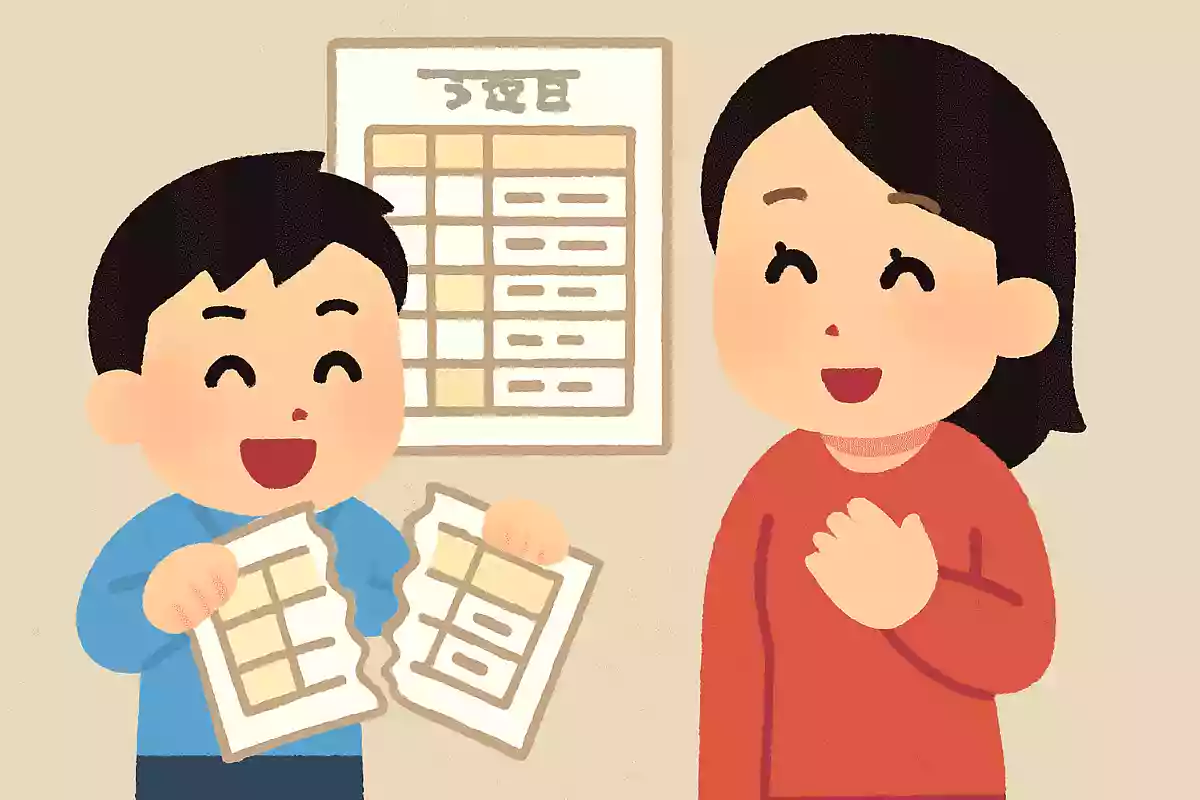
I tore up the paper with the school schedule on it, but my mom didn’t get mad at me. Why was that?
See the answer
It was a calendar with the schedule written on it, and it happened to be right when the month was changing.
If you tear up a sheet of paper with school events written on it, your parents would probably get angry, right? But sometimes you won’t get scolded. One type of paper that’s okay to tear is a calendar. When the month or date changes, you switch to the next month or day, don’t you? Far from getting angry, they might even praise you for tearing off the calendar page and say, “Thanks, that was thoughtful.”