

[For Elementary School Students] Miyagi Prefecture Local Quiz! A Fun Workbook That Adults Can Enjoy Learning With Too

How about having fun while learning with a local quiz all about Miyagi Prefecture? In this article, we’ve gathered quizzes packed with the charms of Miyagi, designed for elementary school students.
From the prefectural capital and breathtaking sights counted among Japan’s Three Most Scenic Spots to local gourmet foods that will make your stomach growl, you’ll learn more and more about Miyagi as you solve each question.
You can take on the challenge as a parent-child duo or compete with friends to see who gets the most correct answers—the way you play is up to you.
Get together with your group and give it a try!
- How much do you know? A local quiz collection about Iwate Prefecture for elementary school students
- [For Elementary School Students] Get Hooked! A Collection of Fun, Yamagata Prefecture Local Quiz Ideas for Learning
- Akita Prefecture Local Quiz! A fun workbook for elementary school students that adults can enjoy too
- [For Elementary School Students] Fukushima Prefecture Local Quiz! A Fun Workbook for Parents and Kids
- [For elementary school students] Challenge! Local quiz of Miyazaki Prefecture
- [For Elementary School Students] Kanagawa Prefecture Local Quiz! Three-Choice Questions Fun for Both Kids and Adults
- [For Elementary School Students] Niigata Prefecture Local Quiz Collection
- [For Elementary School Students] Fun and Effective Prefecture Quiz
- A quiz to deepen your knowledge while enjoying the charms of Aomori Prefecture, the northernmost prefecture on Japan’s main island
- [Play Right Away!] Multiple-Choice Quiz Questions for Lower-Grade Elementary School Students
- A Tochigi Prefecture local quiz for elementary school kids! A fun problem set that lets you learn while you play.
- [For Elementary School Students] Hokkaido Local Quiz: Includes Classic Hokkaido 'Aruaru'!
- Local trivia of Ibaraki Prefecture for elementary school students! A fun, educational quiz book
[For Elementary School Students] Miyagi Prefecture Local Quiz! A Fun Problem Set for Kids and Adults (1–10)
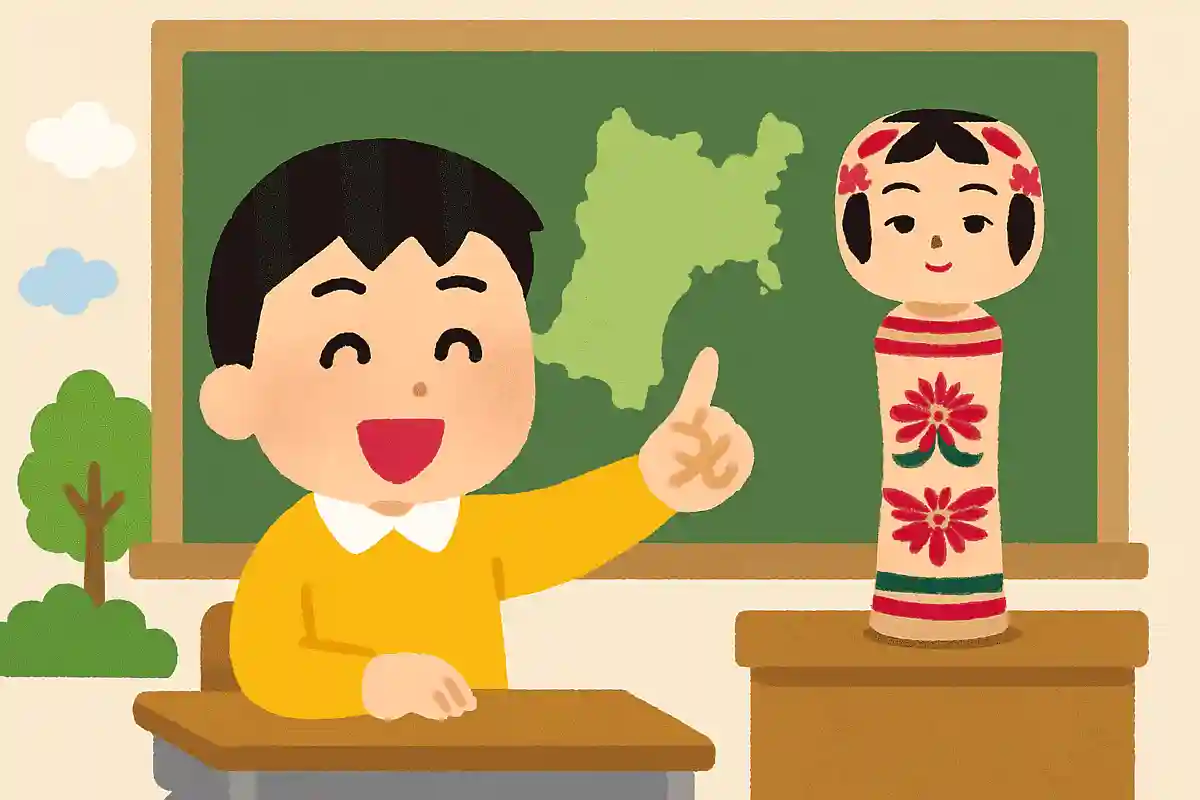
Which city’s specialty is Naruko Kokeshi, a traditional craft of Miyagi Prefecture?
- Sendai City
- Osaki City
- Kesennuma City
See the answer
Osaki City
It is a traditional craft born in the Naruko Onsen area of Osaki City, Miyagi Prefecture. Made by turning wood on a lathe, it is characterized by a distinctive sound produced when the body is rotated. Its simple, warm expression and floral painted designs are part of its charm, and it has long been cherished as a souvenir. With a long history, it is also highly popular among kokeshi enthusiasts across Japan.

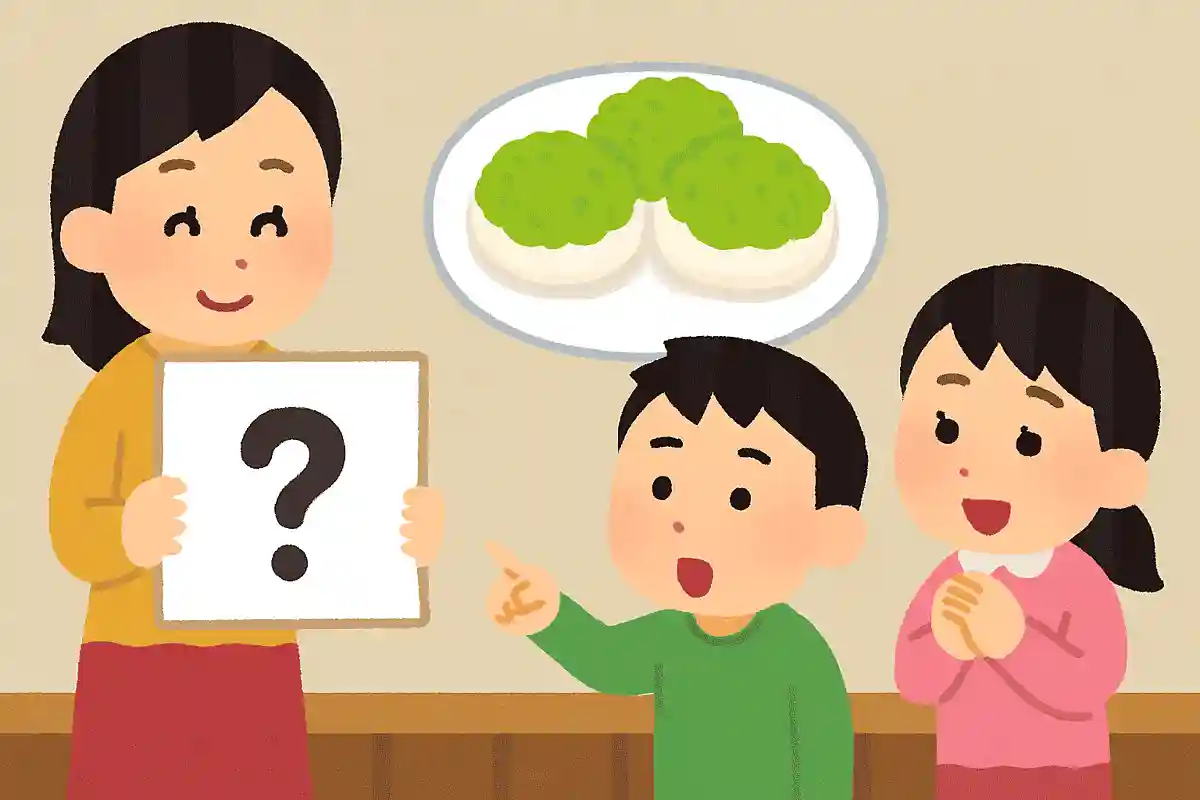
What kind of beans are used as the ingredients for Miyagi Prefecture’s specialty, “zunda mochi?”
- adzuki beans
- soybean
- edamame
See the answer
edamame
Zunda mochi is a signature local dish of Miyagi Prefecture: boiled edamame are peeled, then mashed in a mortar and mixed with sugar to make “zunda bean paste,” which is coated onto mochi. It features a vibrant green color, the aroma of edamame, and a gentle sweetness, and has long been enjoyed for celebrations, seasonal events, and as a snack. In recent years, it has been widely adapted into dumplings, confections, and other sweets.
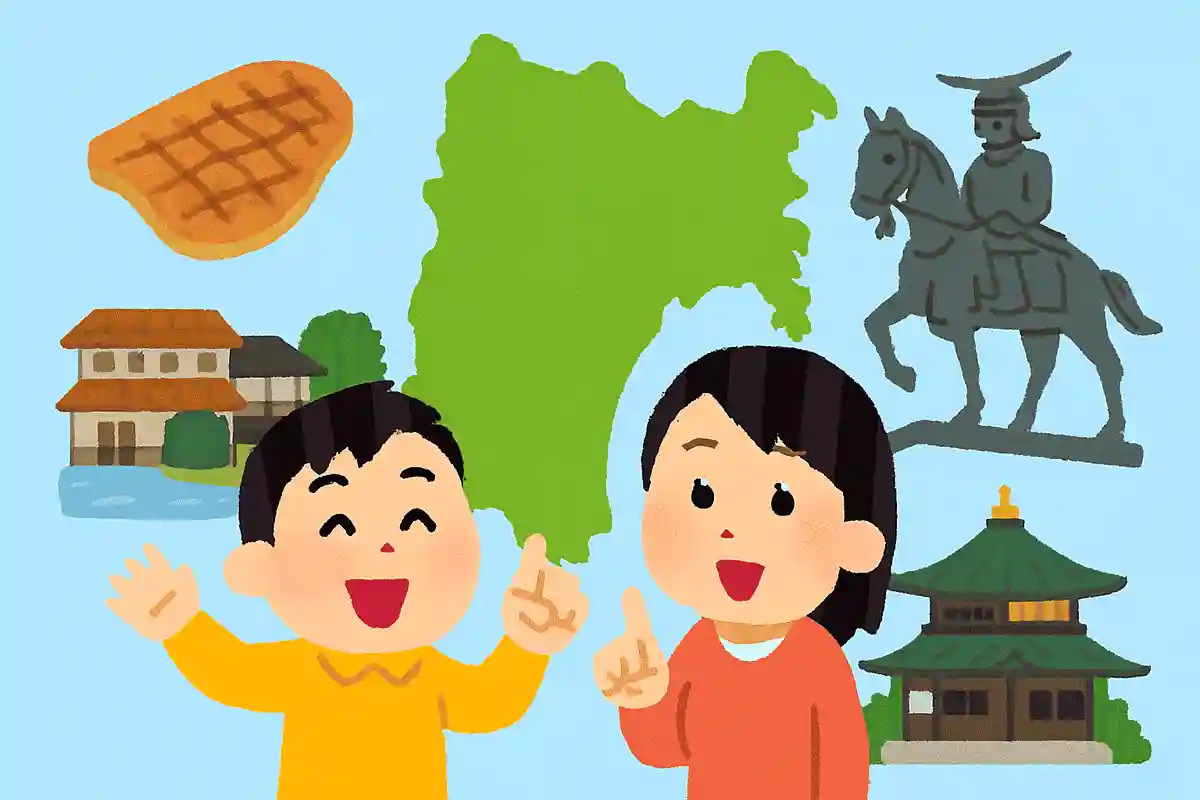
What is the capital city of Miyagi Prefecture?
- Ishinomaki City
- Sendai City
- Kesennuma City
See the answer
Sendai City
Sendai City is the capital of Miyagi Prefecture and is known as the largest city in the Tohoku region. It developed as a castle town founded by Date Masamune and today serves as a political, economic, and cultural center. With many tree-lined streets, it offers a comfortable living environment where urban functions and nature are in harmony. Transportation and commerce are well developed, and it plays an important role as a hub for tourism and academia.
[For Elementary School Students] Miyagi Prefecture Local Quiz! A Fun Workbook for Kids and Adults Alike (11–20)
What is the famous tourist spot in Miyagi Prefecture known as one of Japan’s three most scenic views?

- Matsushima
- Amanohashidate
- Miyajima
See the answer
Matsushima
Matsushima is a scenic area in Miyagi Prefecture and is counted among Japan’s three most celebrated views for its beautiful scenery of more than 260 large and small islands scattered across the bay. The landscape woven by the pine-covered islets and the tranquil sea has long captivated many people. Sightseeing cruises around the bay and views from observation points are also popular, making it a destination where visitors can enjoy nature in every season.
In Miyagi Prefecture, large versions of a certain object are placed everywhere. What exactly are they?

- Daruma
- kokeshi (traditional Japanese wooden doll)
- maneki-neko (beckoning cat)
See the answer
kokeshi (traditional Japanese wooden doll)
In Miyagi Prefecture, large kokeshi dolls are placed in various locations. Kokeshi are traditional wooden toys from Miyagi, and they are displayed so that locals and visitors can learn about Miyagi’s culture. During festivals and special events, even bigger giant kokeshi sometimes make an appearance, delighting those who come to see them. It’s one of Miyagi’s uniquely interesting traditions.
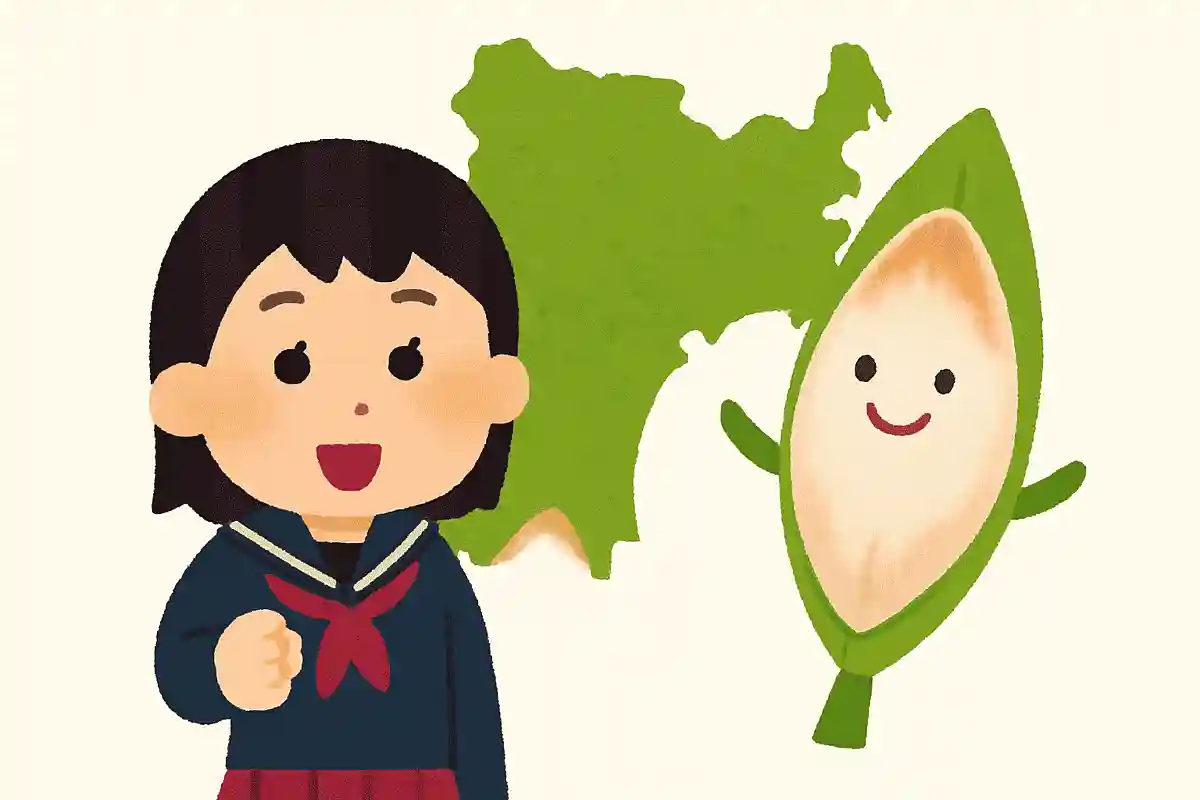
What are the characteristics of “sasakamaboko,” a specialty of Miyagi Prefecture?
- a shape like bamboo leaves
- a round shape like a ball
- A square shape like a die
See the answer
a shape like bamboo leaves
A specialty of Miyagi Prefecture, centered around Sendai, this traditional fish cake is made by shaping minced white fish into the form of a bamboo leaf. Lightly searing the surface adds a toasty aroma, and you can enjoy its fluffy texture and the flavor of the fish. It can be eaten as is, lightly grilled, or used as an ingredient in various dishes, and it is also a popular souvenir.
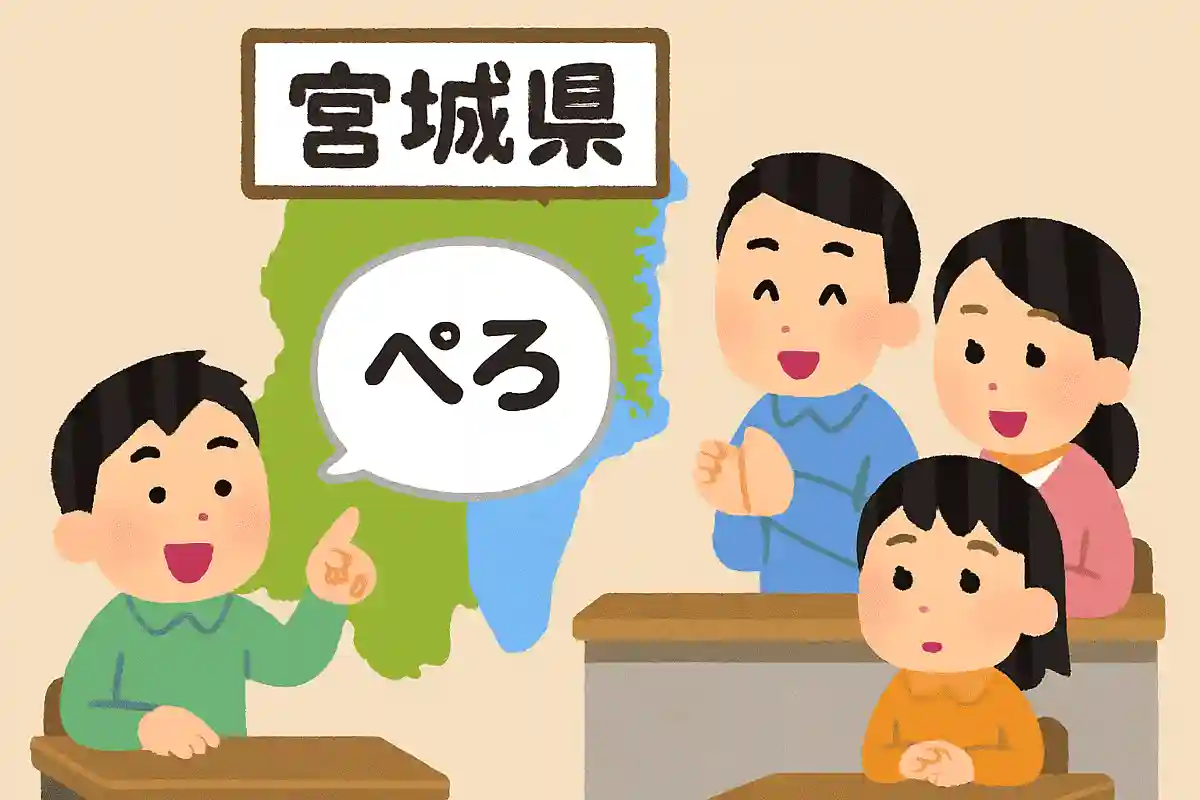
What does “pero” mean in the Miyagi dialect?
- Candy
- udon
- soft serve ice cream
See the answer
udon
In the Miyagi dialect, “pero” refers to udon, somen, or suiton (flour dumpling soup). It’s used in everyday conversation and is familiar to locals. For example, if someone says, “Kyō no yūhan wa, pero-jiru da yo,” it means, “Tonight’s dinner is suiton.” During the colder seasons, warm pero-jiru often appears on family tables, and the term is passed down as an affectionate local word.