

[For Elementary School Students] A Collection of Fun, Educational Quiz Ideas for Mother's Day


How many questions can you get right on this Mother’s Day quiz? We’ll introduce fun trivia about Mother’s Day in a quiz format—things you might think you know but actually don’t—like the meaning of carnations and unique celebrations around the world.
There are also questions that children around 7 years old can enjoy, so it’s perfect for the whole family to take the Mother’s Day test together.
The explanations are packed with bite-sized facts that will make you say, “Wow!” as you read, so be sure to enjoy it all the way to the end!
- Let's get excited with a two-choice quiz that everyone—from kids to adults—can enjoy!
- Lesser-known facts about Mother’s Day that might surprise you—tidbits you’ll want to share with someone
- How Much Do You Know? Food Quiz for Elementary School Students
- [For Elementary School Students] Trivia About April
- Trivia quiz with useful tips to know: fun facts that come in handy at school or at home [for kids]
- [For Kids] Trivia & Fun Facts Quiz About June
- Handmade gifts to give on Mother’s Day: a collection of heartfelt ideas
- Will you like May even more once you know? Fun May trivia elementary schoolers should know
- [For Elementary Students] Flower Kanji Quiz! How many flowers do you know?
- Recommended for lower grades! A fun, educational quiz for elementary school students
- Recommended for elementary school students! Trivia quiz you'll want to share once you know it
- Let’s learn more about hydrangeas! Trivia quiz and fun facts about hydrangeas for kids
- Fun quizzes for elementary school kids: a collection of questions everyone can enjoy together
[For Elementary School Students] A Collection of Fun, Educational Quiz Ideas about Mother’s Day (11–20)
Some carnation variety names sound sweet and delicious. Which ones are they?
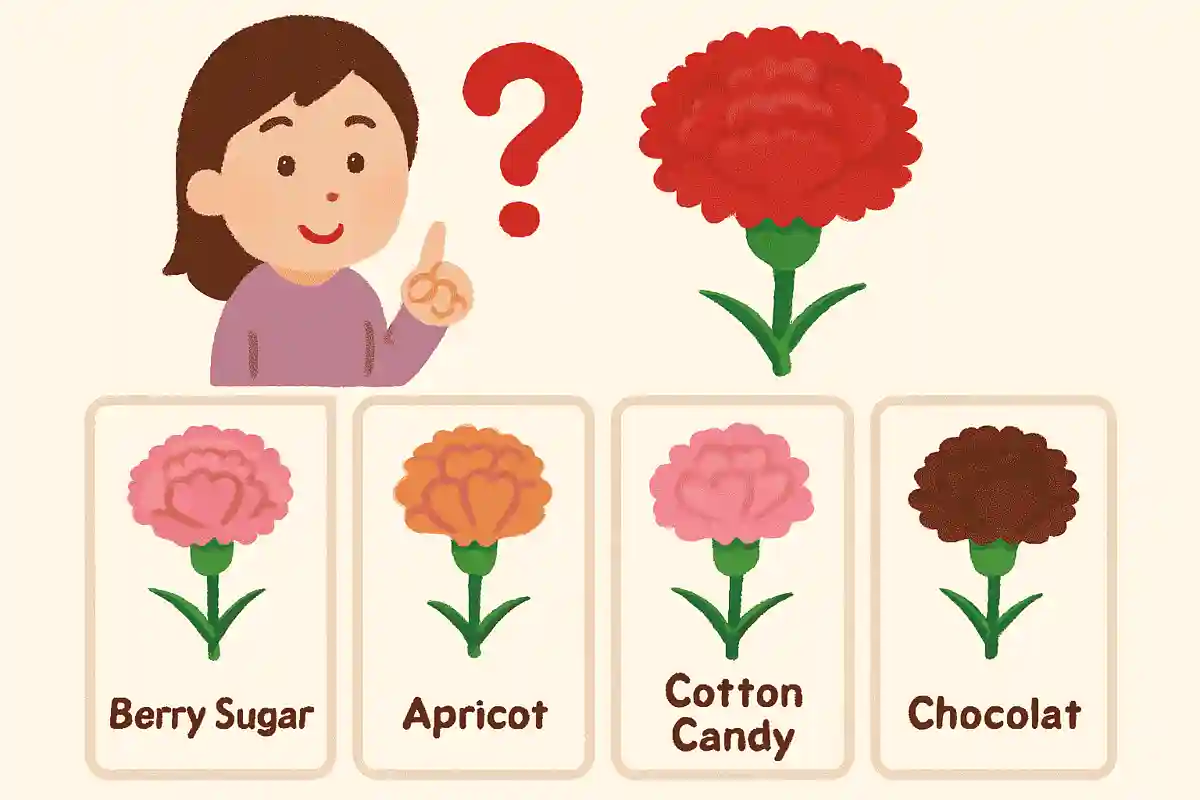
- chocolate chip cookies
- strawberry whipped cream
- custard cream puff
See the answer
strawberry whipped cream
A well-known one is “Strawberry Whip.” It got its name because its soft pink petals look like a strawberry dessert topped with cream. Just seeing the name makes you excited—this carnation is a lovely flower that will delight both the eyes and the heart when given for Mother’s Day.

Which country celebrates Mother’s Day the earliest in the world, on the second Sunday of February?

- Norway
- Brazil
- Japan
See the answer
Norway
Norway’s Mother’s Day comes on the second Sunday of February, the earliest in the world. In addition to celebrating in ways similar to Japan, there is also a custom where a woman who has given birth receives a gift from her partner on the first Mother’s Day that comes after the birth.

What color clothes do people wear on Mother’s Day in Thailand?

- red
- green
- light blue
See the answer
light blue
Thai Mother's Day is on August 12, which is also Queen Sirikit’s birthday. Because her symbolic color was light blue, people wear light blue clothing on Thai Mother’s Day. Not only clothing, but also the color of the flowers given as gifts and the wrapping are said to be light blue.
What color are the specially made carnations for Mother’s Day?

- golden
- blue
- rainbow-colored
See the answer
rainbow-colored
Carnations given on Mother’s Day are usually red, but as a special variety, rainbow-colored carnations have been created. A single flower contains various colors—truly rainbow-like! By the way, their flower meaning is “gratitude.”
Where do mothers eat breakfast on Mother’s Day in the United States and the United Kingdom?
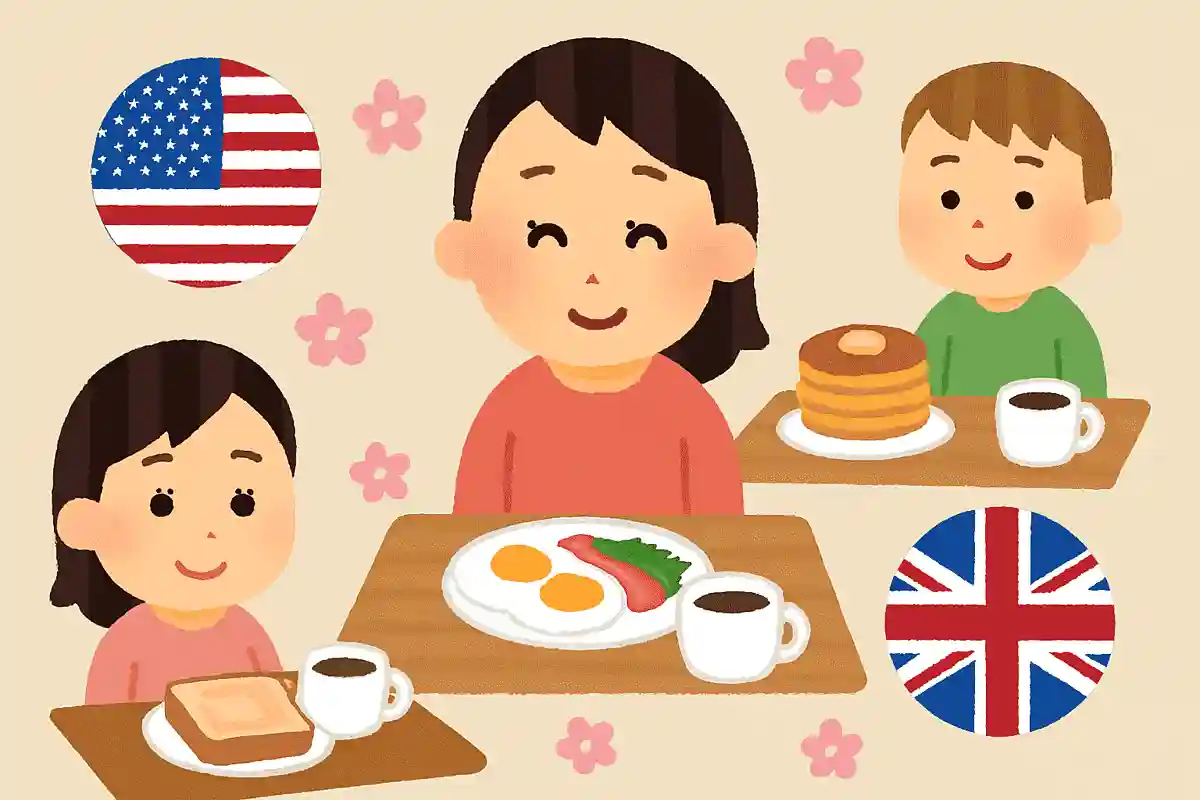
- restaurant
- On the bed
- kitchen
See the answer
On the bed
In Western countries like the United States and the United Kingdom, there is a custom called “breakfast in bed,” where mothers eat breakfast in bed on Mother’s Day. It reflects a thoughtful sentiment: letting moms take a break from preparing breakfast, sleep in, and enjoy a leisurely, indulgent morning.
When is Mother’s Day around the world?

- the second Sunday of May
- It varies by country.
- Each mother's birthday
See the answer
It varies by country.
Mother’s Day around the world isn’t all on the second Sunday of May like in Japan. Many countries—such as the United States, Canada, and Germany—do celebrate it on the same day as Japan, but there are also countries that observe it in March, August, or December. The gifts people give can vary from place to place too, so be sure to look into it!
[For Elementary School Students] A Collection of Fun, Educational Mother’s Day Quiz Ideas (21–30)
In which era did carnations come to Japan?

- Heian period
- Muromachi period
- Edo period
See the answer
Edo period
Carnations were introduced to Japan from the Netherlands during the Edo period. Because of this, they were initially called names like “Oranda Sekichiku” and “Oranda Nadeshiko.” Later, in the Meiji era, the first carnations produced in Japan appeared, and during the Showa period the number of varieties increased rapidly.