

A music quiz for elementary school students. We turned musical symbols and fun facts into quiz questions!

In this article, we’ll introduce lots of music quizzes for elementary school students! In the article, you can click to reveal the answers, so you can enjoy the quizzes right here.
This time, we’ve prepared a wide range of questions: problems about musical symbols learned in school music classes, questions about instruments you’ve likely tried at school or at home, and even fun trivia related to music.
Even if you come across questions you don’t know, you’re sure to build your music knowledge—so have fun and give it a try!
- A music quiz that helps you learn: a collection of multiple-choice (three-option) questions about music.
- Fun quizzes for elementary school kids: a collection of questions everyone can enjoy together
- Quiz for elementary school students: Easy! Fun! Question collection
- Easy Riddles for Elementary School Students
- Quiz for junior high school students
- [Easy] Quiz for Middle School Students
- [For Kids] November Trivia Quiz & Fun Facts: Let’s Learn While Having Fun!
- [Workbook] Challenge! Compilation of Vocaloid Song Quizzes!
- [Trick Quiz] Quiz Questions That Excite Everyone from Kids to Adults
- Anime quizzes that elementary school kids will love! A collection of questions parents and children can enjoy together
- Become a trivia master with a multiple-choice quiz for elementary schoolers! A fun problem collection that captivates both kids and adults
- [For Elementary School Students] Cipher Quiz: Fun Puzzle Riddles
- [For Kids] December Trivia Quiz & Fun Facts! Learn about seasonal events and traditions!
Music quiz for elementary school students. We turned musical symbols and fun facts into quizzes! (1–10)
What do you call a sound produced by playing three or more notes of different pitches simultaneously?
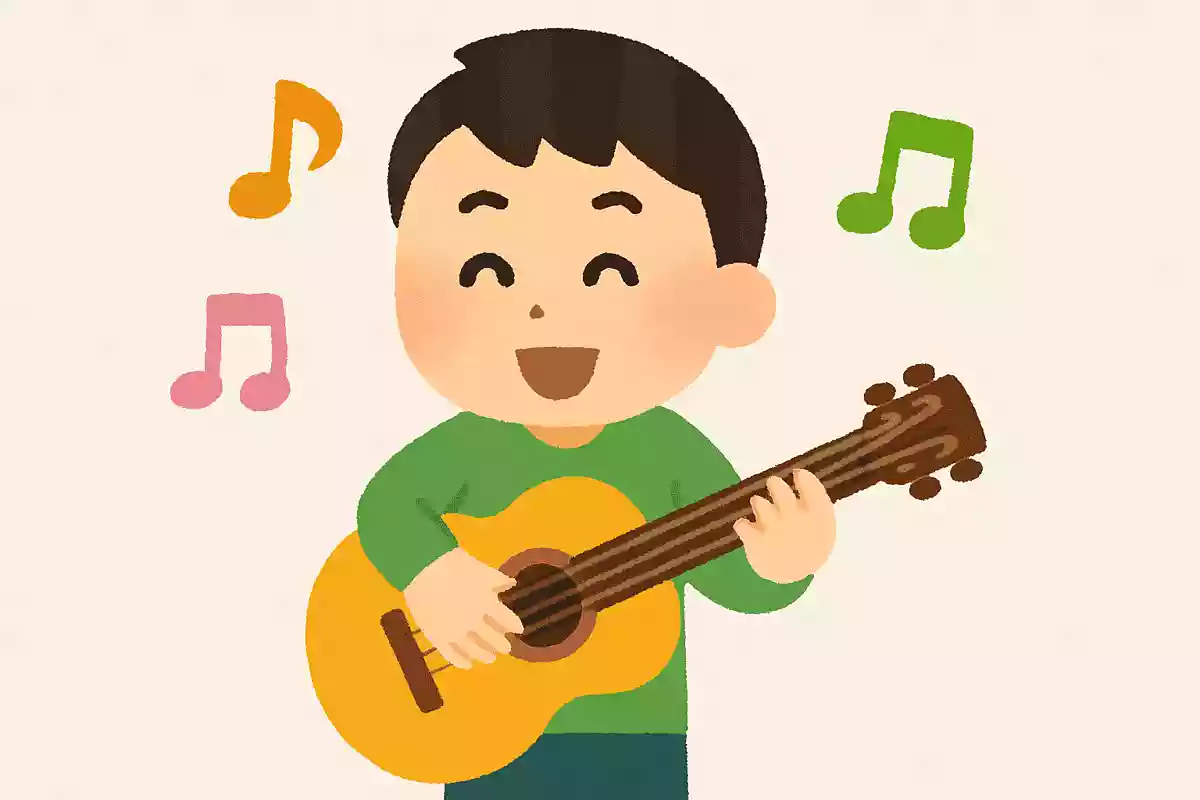
- Harmony
- chord
- Melody
See the answer
chord
A sound produced by playing three or more notes of different pitches simultaneously is called a chord. Harmony generally refers to the combination of sounds that arises when multiple notes of different pitches are played at the same time in music, or to the interrelationships of notes across multiple parts. Melody refers to the tune in music.
What kind of animal hair is used for violin bows?
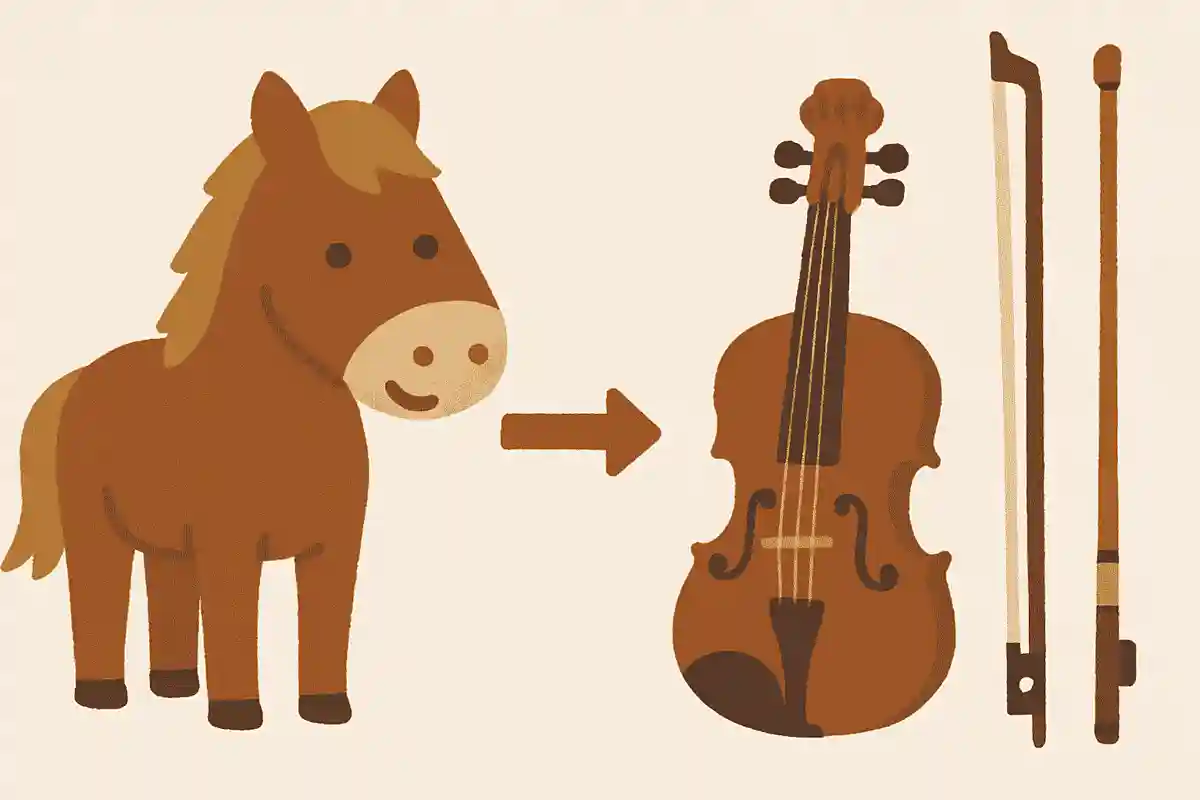
- horse hair
- pig hair
- sheep’s wool
See the answer
horse hair
Violin bows typically use horse tail hair. This hair has strength and elasticity, making it suitable for properly rubbing the strings to produce a beautiful sound. Pig and sheep hair are rarely used for this purpose.
How many keys does a piano have in total?
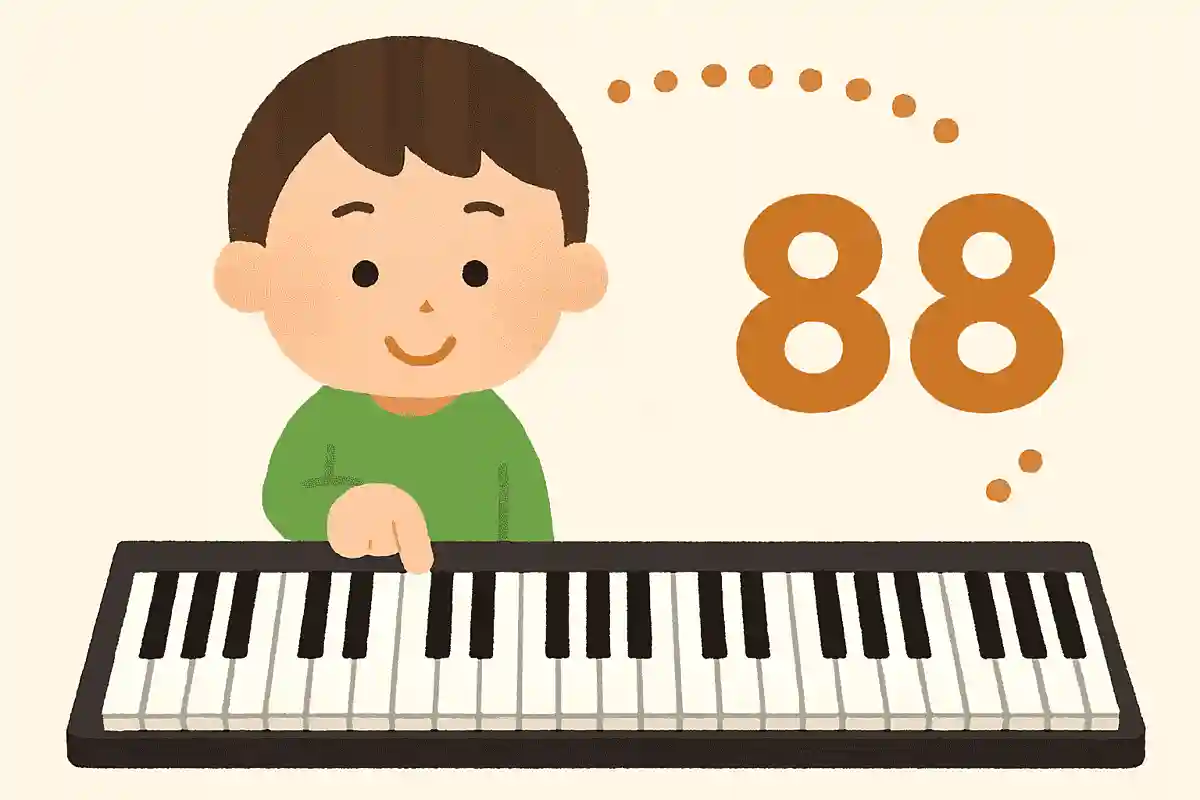
- 88 pieces
- 69 pieces
- 42 pieces
See the answer
88 pieces
A standard piano has 88 keys. However, smaller pianos for children and electronic keyboards may have 61 or 76 keys.
A music quiz for elementary school students. We turned musical symbols and fun facts into quiz questions! (11–20)
What is the name of the holes that you cover with your fingers when playing the recorder?
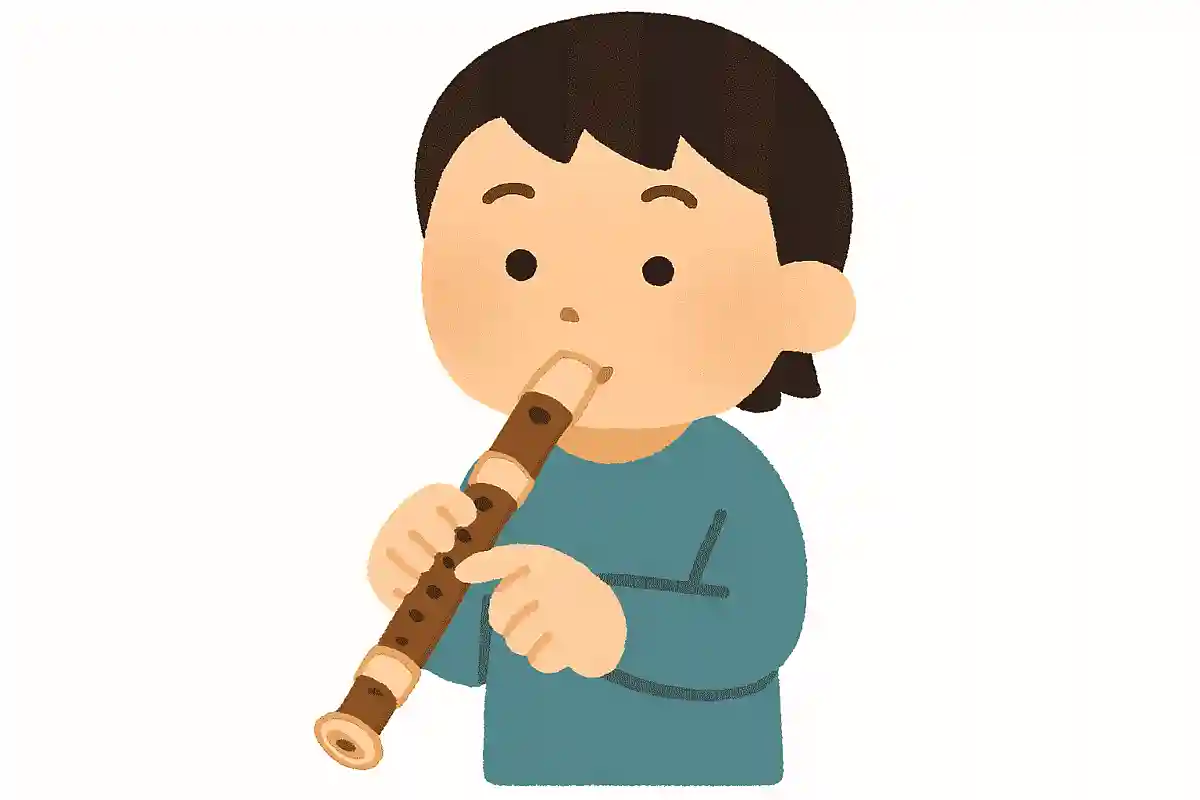
- sound hole
- tone hole
- finger pointing
See the answer
tone hole
The holes on a recorder are used to change the pitch, and the holes you cover with your fingers are called tone holes. In Japanese, they are also called onkō (sound holes). By opening and closing the holes, the airflow changes, which alters the pitch.
What is a metronome used for?
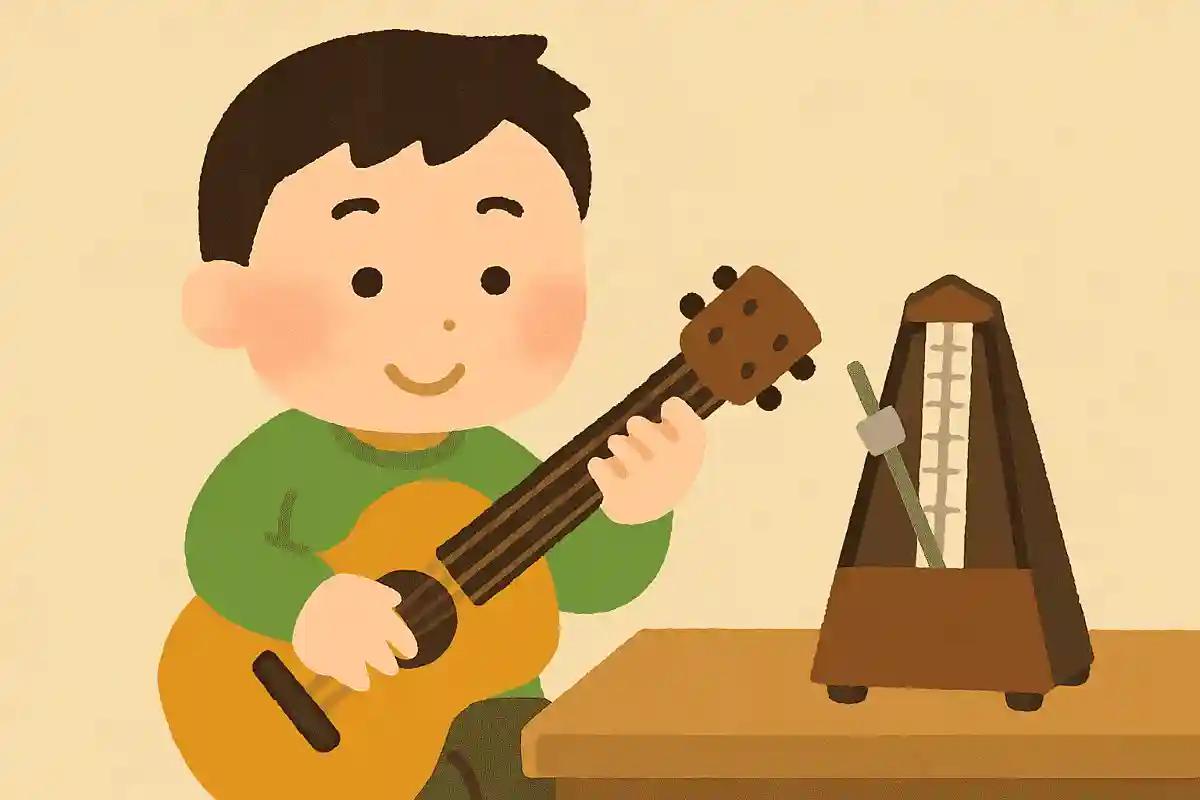
- Measure the pitch of a song
- Record songs and performances
- Keep the tempo of the music
See the answer
Keep the tempo of the music
A metronome is a device used to maintain a steady tempo when playing music. There are pendulum and electronic types, and performers play in time with the metronome’s regular clicks or the movement of the pendulum.
A drum set is played using both hands and feet, but which instrument is being played with the right foot?
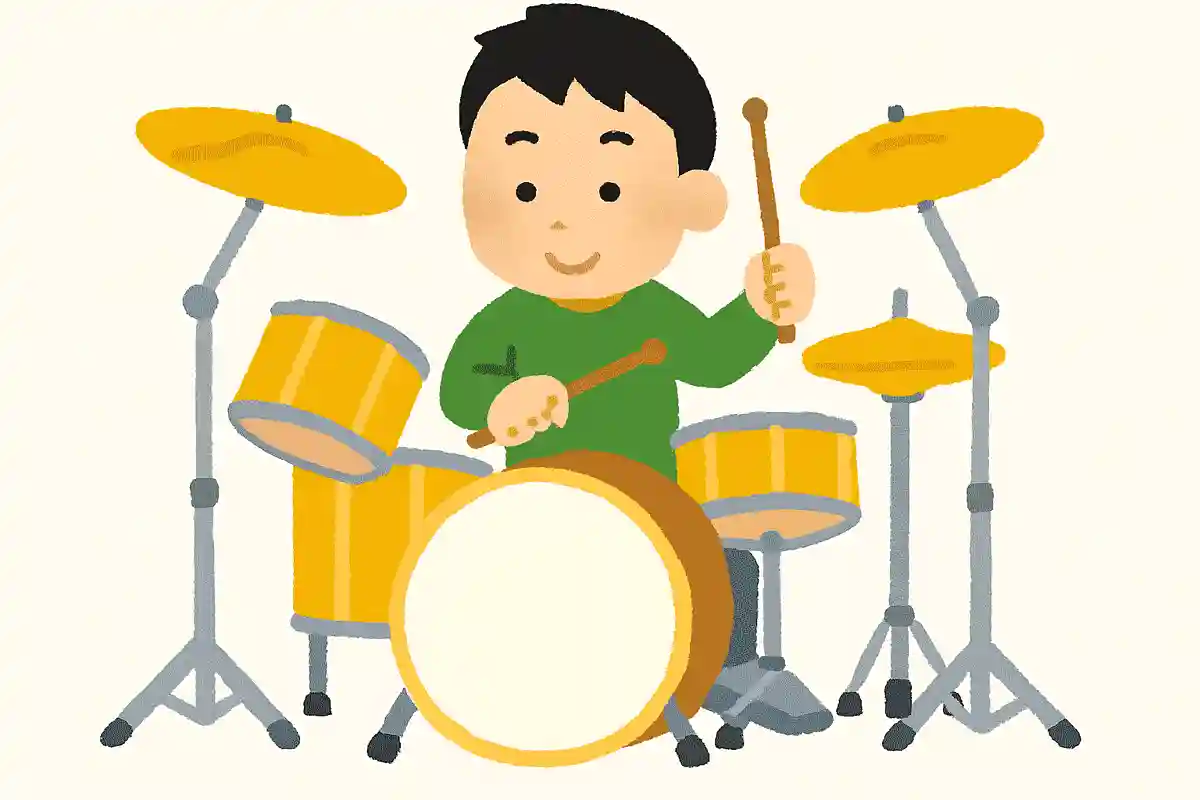
- snare drum
- bass drum
- hi-hat
See the answer
bass drum
On a standard drum set, the bass drum is played with the right foot. By pressing the drum pedal with the right foot, you strike the large drum and lay down the foundation of the rhythm. The snare drum, on the other hand, is played with sticks held in the hands. The hi-hat is also played with sticks, while the hi-hat pedal is operated with the left foot.
What do you call gradually making it stronger?

- crescendo
- forte
- decrescendo
See the answer
crescendo
Crescendo is a musical term that means to gradually get louder. Forte means “loud,” but it indicates becoming loud suddenly, not gradually like a crescendo. Decrescendo refers to gradually getting softer.