

[Winter Haiku] A collection of poems written by elementary school students. Excellent works that skillfully use seasonal words.

Haiku that express winter scenes in the rhythm of 5-7-5.
For elementary school students, using familiar winter motifs such as snow, the kotatsu, and New Year’s traditions provides a learning opportunity to feel the joy of words and the beauty of the seasons.
This time, we explain ideas, easy-to-use seasonal words (kigo), and tips that will help elementary schoolers compose winter haiku.
Haiku writing for homework or class is great, and creating verses as a parent-child activity to capture winter memories is wonderful too.
By all means, let’s craft a verse unique to this winter!
- Let's enjoy learning winter seasonal words! A collection of easy-to-use word ideas for elementary school students
- [Winter Haiku] A collection of poems composed by junior high school students: a beautiful and amusing anthology that vividly evokes scenes
- [For Elementary School Students] Turn Summer Memories into Haiku! A Collection of Fun Summer Haiku Ideas
- [For Elementary School Students] Spring Kigo for Haiku Writing! A Collection of Fun, Easy-to-Memorize Ideas
- Recommended for elementary school students! Ideas for composing summer haiku
- Picture Books to Read in Winter: A Collection of Story Ideas That Resonate with Elementary School Children
- [Elementary School Senryu] A Collection of Hilarious Masterpieces about Summer Vacation, Friends, and School Life. Tips and Explanations Learned from Outstanding Works
- For elementary school students! A recommended collection of famous haiku using spring kigo
- Surprisingly little-known winter season words! A collection of everyday, easy-to-use vocabulary ideas
- Funny senryu poems composed by junior high school students: introducing outstanding works that will make you burst out laughing
- [For Middle School Students] Also Helpful for Haiku Writing! A Collection of Famous Haiku Using Spring Seasonal Words
- [Elementary School Students] Perfect for Kakizome! A Collection of Four-Character Idiom Ideas
- [For Elementary School Students] Ideas for How to Add a Thoughtful Message to New Year’s Cards
[Winter Haiku] A collection of works composed by elementary school students. Outstanding pieces that skillfully use seasonal words (1–10)
A cherry tree raising its young in the cold winter
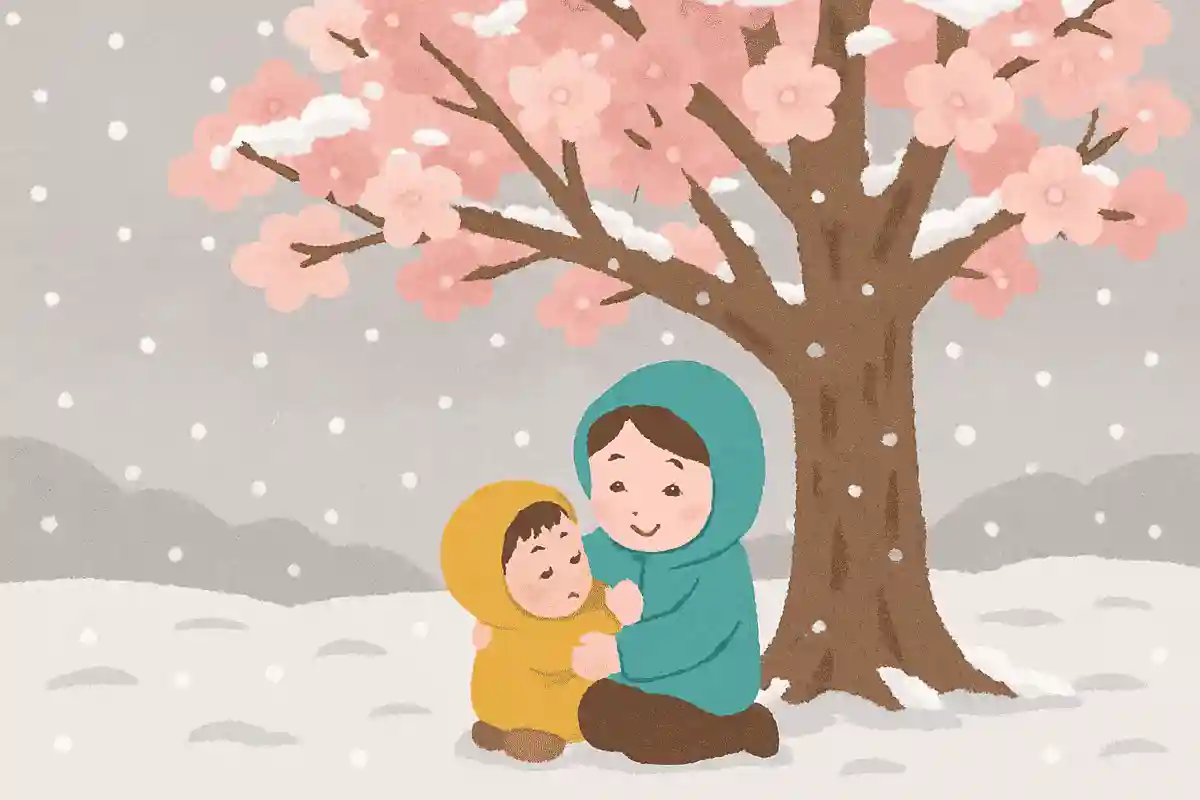
This is a haiku that turns its gaze to life unfolding amid a harsh season.
With the seasonal word “cold” in place, the wintry air that makes one shrink is conveyed first, and within that, the expression “to raise children” creates a strong contrast.
By depicting both the presence of something that must be protected and the severe cold at the same time, a quiet tension permeates the scene.
Because cherry trees are so strongly associated with blooming in spring, their winter aspect appears all the more striking.
Even without any overt movement, one senses preparations being made for the coming season.
It is a haiku with depth, capturing the continuity of life that persists even in the cold.

With each stroke in the first calligraphy of the year, a deep breath
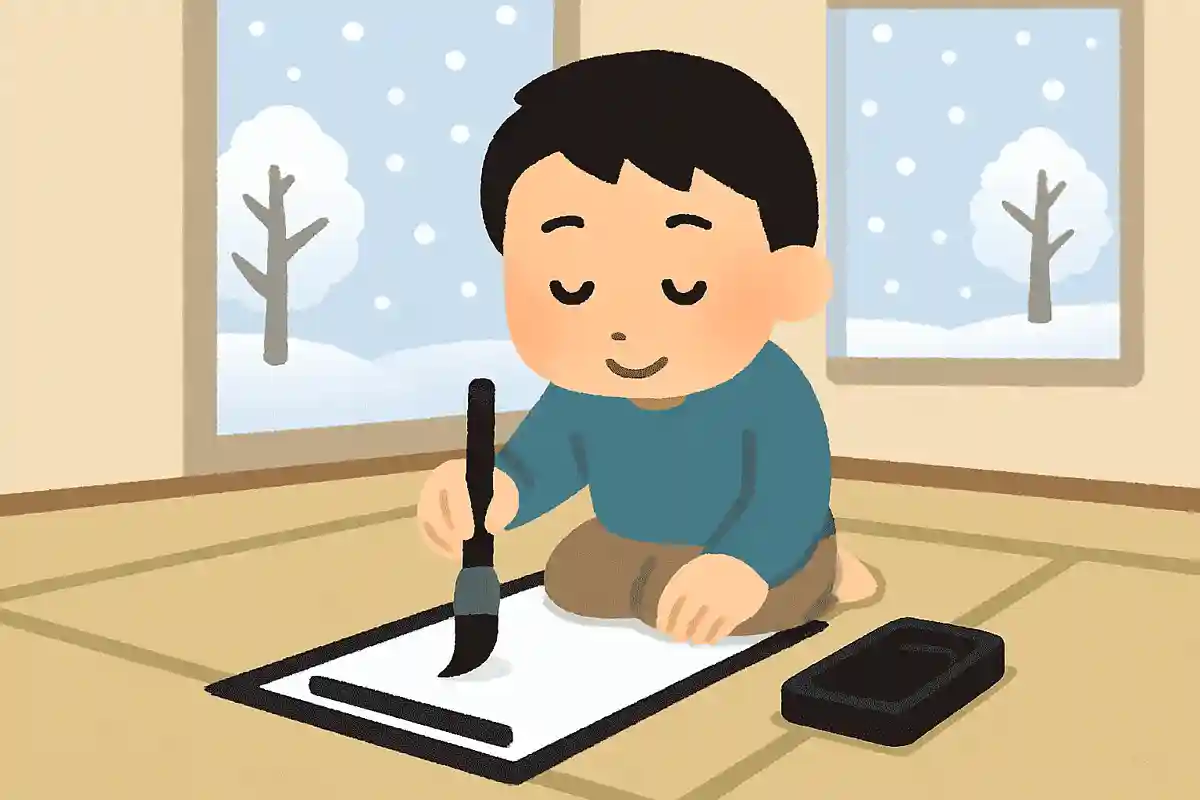
This is a verse that carefully ladles up a quiet moment of the New Year.
Through the seasonal word “first calligraphy,” you can feel the taut atmosphere unique to the New Year.
By repeating “one character, one character,” the caution and concentration of the act of writing are emphasized, and the poet’s stance vividly emerges.
The word “deep breath” appended there gently reveals the movement of the heart, conveying a resolve to proceed unhurriedly and calmly.
By linking action with mindset, the meaning of the first-calligraphy ritual deepens, and the haiku candidly expresses an attitude toward facing the start of a new year.
Bare and white, the winter trees wait for spring.

This verse quietly captures the changing of the seasons through the sight of trees that have shed their leaves.
The seasonal word “fuyugodachi” (winter grove) evokes trees standing still in the cold, and their whiteness conveys the taut, frosty atmosphere of the scene.
The phrase “waiting for spring” overlays a sense of movement toward the next season beneath a time that appears to be at a standstill.
Despite the restrained subject, the gaze turns to the future, leaving the reader with a sense of anticipation.
Without resorting to flashy language, it layers state and emotion in an impressive way, resulting in a composed haiku that looks ahead to the end of winter.
[Winter Haiku] A Collection of Poems Composed by Elementary School Students: Excellent Works That Skillfully Use Seasonal Words (11–20)
For a while, I’ll be steeped alone in a deep yuzu bath.
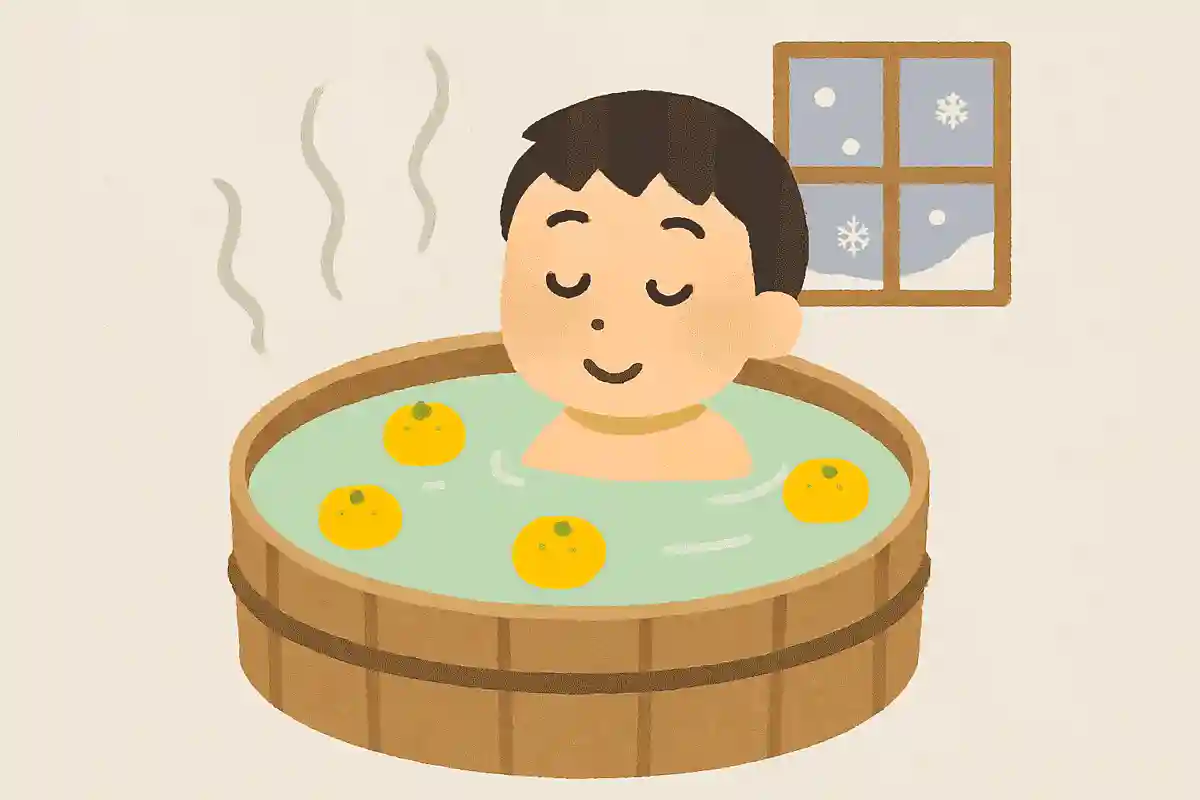
This verse sensuously captures the quiet flow of time.
The seasonal word “yuzu bath” evokes a scene of the winter solstice night and a chilled body.
By placing “for a while,” it conveys an unhurried stance, deliberately surrendering oneself to the bath.
The explicit mention of “alone” is effective, emphasizing a calm time that stands in contrast to bustle.
The word “deeply” suggests not only the depth of the water, but also a sensation of one’s heart sinking into it.
It is a haiku that clearly gives shape to a uniquely wintry luxury, leaving a quiet afterglow.
On New Year’s Eve, ringing the temple bell at night
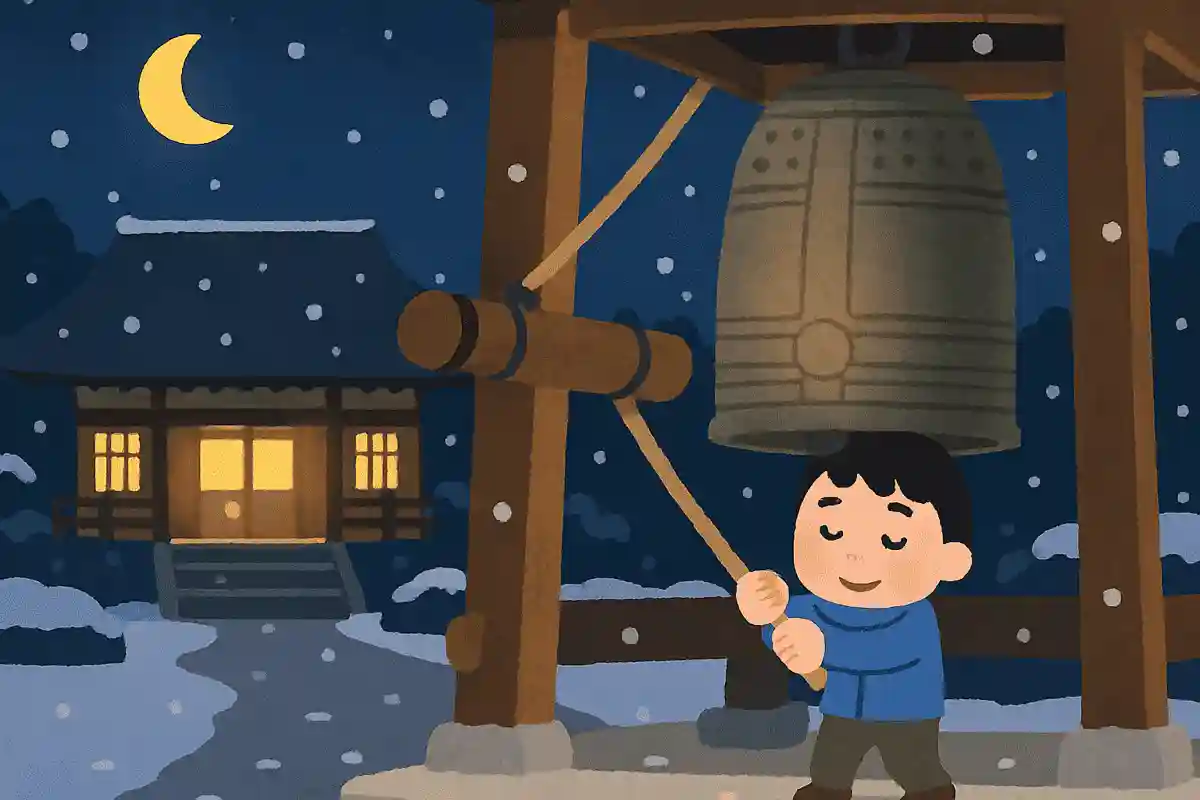
This is a verse that captures a scene at the close of the year.
The seasonal word “New Year’s Eve” conveys the weight of time and marks it as a special night.
The setting of a temple at night evokes a solemn atmosphere within the darkness.
The simple action of “ringing the bell” is concise, yet it invites us to imagine the wishes imbued in it.
By not depicting the sound itself and presenting only the act, the reader can envision their own resonance.
It is striking how the poem constructs the scene using only the seasonal word and an action, avoiding unnecessary explanation.
It is a haiku that succinctly expresses a quiet moment of facing the end of the year.
The New Year mood rises all the way up into the high sky.
This verse expresses the unique New Year’s exhilaration through a sense of spatial expansiveness.
The seasonal word “New Year” evokes the moment when the mood of the city and its people shifts.
The phrase “the mood up to the high sky” conveys a feeling that brightness fills not only the ground but also the space above when you look up.
Because it captures atmosphere rather than a specific event, readers can easily layer their own New Year memories onto it.
By not defining sounds or colors outright, it also leaves room for imagination.
With few words, it straightforwardly conveys the expectation that drifts at the start of a new year.
White snow is playing with the light of the stars.

This verse gently captures a night scene.
With the seasonal word “snow,” a chilled atmosphere and a white world first come to mind, upon which the light of the stars is layered.
The expression “playing around” adds a light movement and a sense of familiarity to the quiet scene.
By linking the distant presences of snow and stars, it lets us feel both the upward gaze and the view at our feet at the same time, creating depth in the space.
The language is soft, with ample breathing room overall, leaving a calm impression of a winter night’s moment.
Centered on the seasonal word “snow,” it is a verse where stillness and playfulness coexist.