

![[Learn with a Quiz] Quiz Questions about the SDGs](https://media.ragnet.co.jp/img/1200__png__https://www.ragnet.co.jp/files/2025/04/48278a3d3f35045a885a6c7599e14ee6.webp)
[Learn with a Quiz] Quiz Questions about the SDGs

Words like SDGs and sustainable have become common in recent years.They’re frequently featured on TV and elsewhere, but many people still aren’t quite sure what they actually are.To put it simply, it’s about “achieving 17 goals by 2030 so that people around the world can continue to live peacefully and with dignity.”In this article, we present a selection of items from those 17 SDGs as a quiz.It’s a multiple-choice quiz with three options, so even those who aren’t familiar with the SDGs can give it a try.Why not deepen your understanding of the issues we must face—and the knowledge we need—while solving the quiz?
[Learn with Quizzes] Quiz Questions about the SDGs (1–10)
In the Global Peace Index published by the Institute for Economics & Peace (IEP), what rank did Japan achieve in 2023 out of 163 countries?

- 2nd place
- 9th place
- 13th place
See the answer
9th place
People often say that “Japan is peaceful.” It’s said that around the world, more than 400 million children live in war and conflict zones. Under the goal of “Peace and justice for all,” we aim for a world without conflict by advancing legal frameworks and other measures so that everyone can live in peace.

The proportion of children in sub-Saharan Africa who cannot attend elementary school is
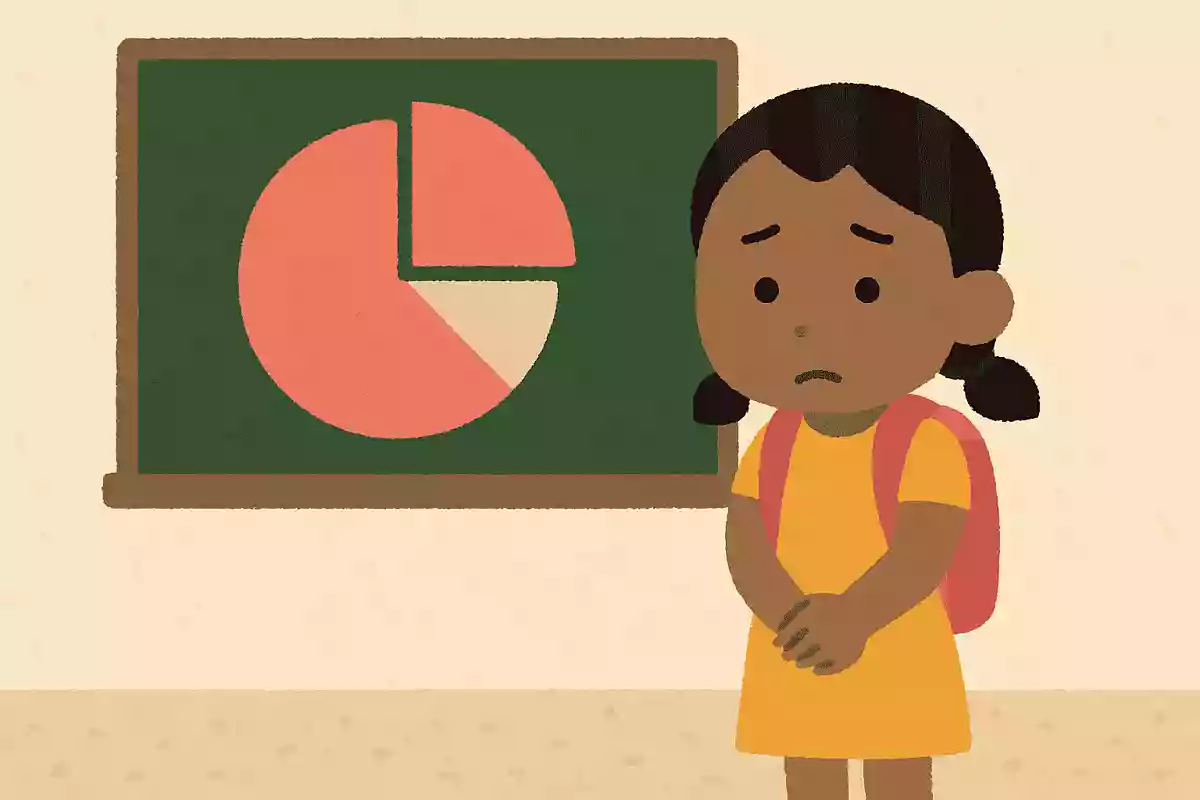
- One in two
- One in five people
- One in ten
See the answer
One in five people
In Japan, compulsory education lasts through junior high school, and receiving education free of charge is taken for granted, so some people may be shocked to learn that there are children around the world who cannot access education. Under the goal of “Quality Education for All,” the target is that by 2030 all children worldwide will be able to receive equitable, high-quality education for free and complete elementary and junior high school.
How many people in the world do not have a toilet at home and defecate outdoors?
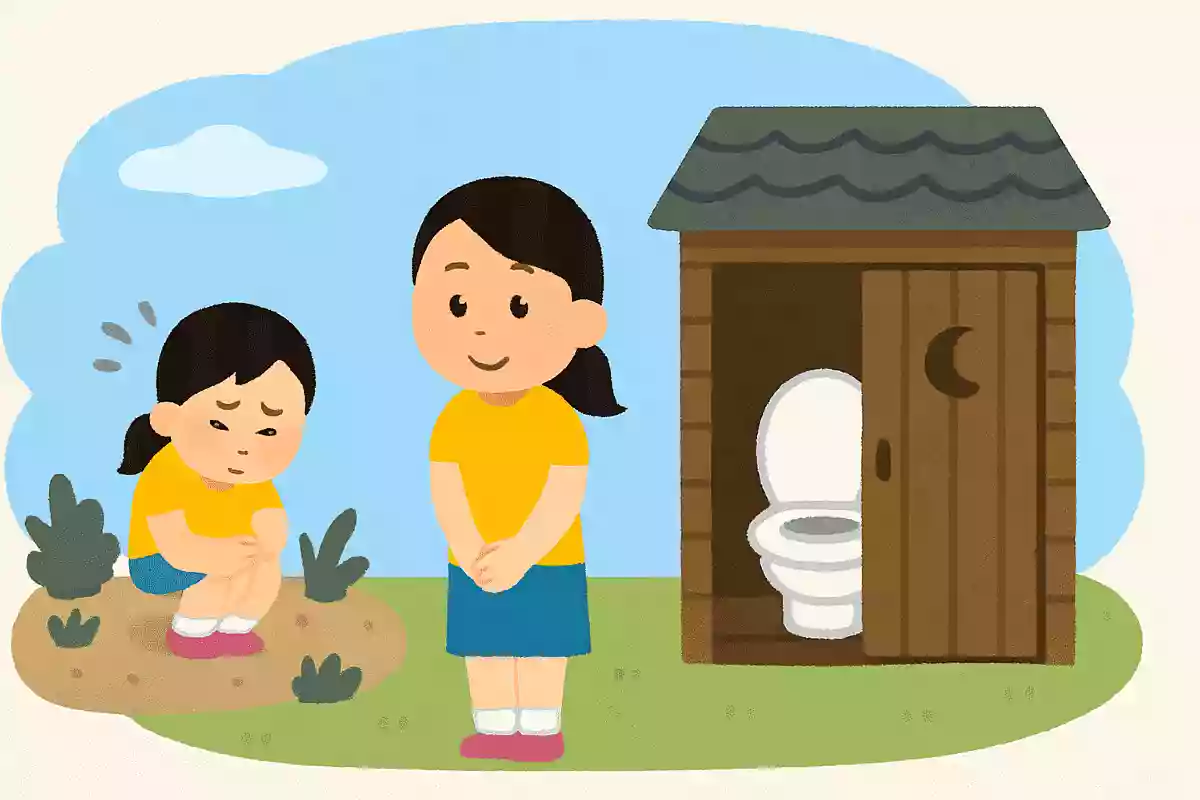
- about 10 million people
- about 100 million people
- about 500 million people
See the answer
about 500 million people
Goal 6, Clean Water and Sanitation, aims to make hygienic toilets accessible to everyone worldwide. In developed countries, it may be unthinkable not to have a toilet at home, but more than 490 million people have no toilet at home or nearby. And while some do have toilets, about 3.6 billion people lack the necessary infrastructure, such as running water, to use them hygienically. Unsanitary conditions can even lead to loss of life.
What is the average life expectancy in the world?

- 60 years old
- 70 years old
- 80 years old
See the answer
70 years old
In Japan, systems such as healthcare and insurance are well established, allowing people to receive appropriate treatment, so the average life expectancy is over 80 years—the longest in the world. Recently, people have been talking about a “100-year life era,” but this is not the case globally. Under the goal of “Good Health and Well-being for All,” objectives include ensuring that both mothers and babies can experience safe and healthy childbirth, preventing deaths from accidents, and increasing average life expectancy.
Have natural disasters that harm people increased over the 40 years since 1970?
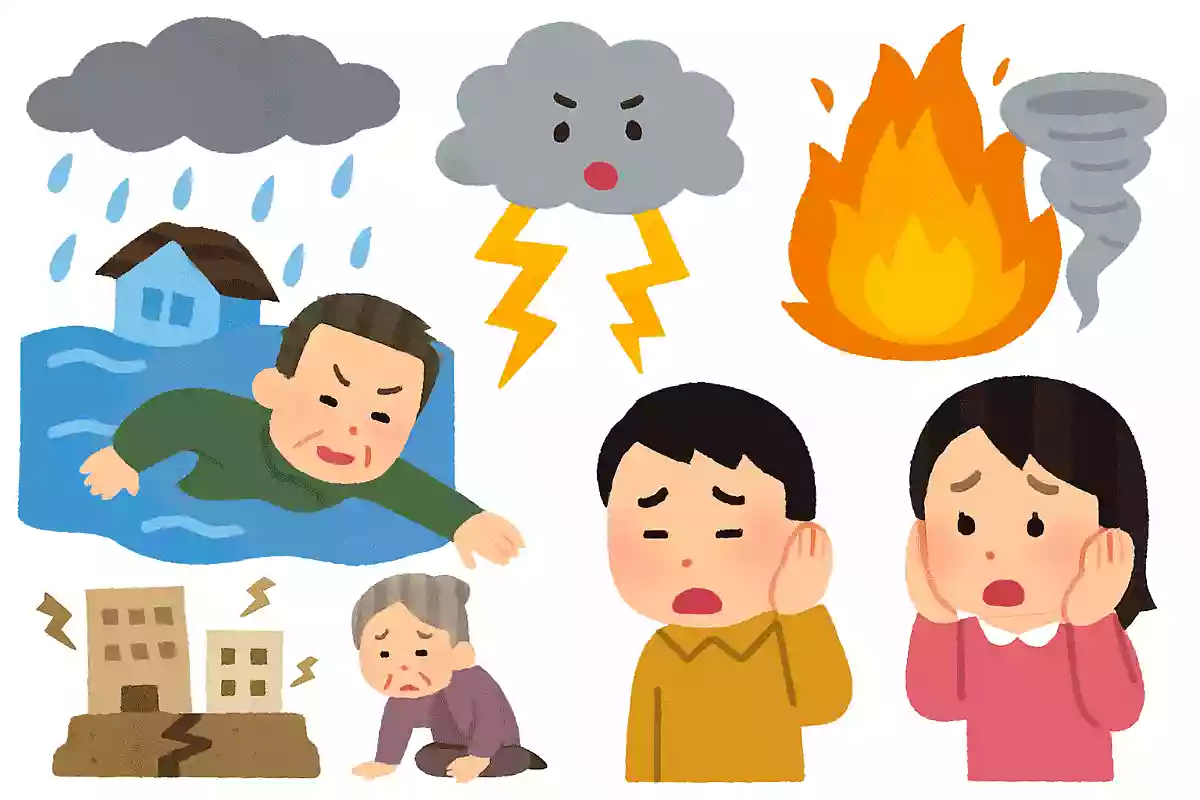
- Not much different
- double
- five times
See the answer
five times
In Japan, we often hear news about earthquakes and abnormal weather, but around the world disasters such as droughts, heavy rainfall, and large typhoons are occurring frequently, forcing many people to leave their homes. Under the goal of “Sustainable cities and communities,” efforts are being promoted to build cities that are resilient to disasters and can recover quickly when they occur.
How many Tokyo Skytrees’ worth of weight is the amount of plastic produced worldwide in one year?
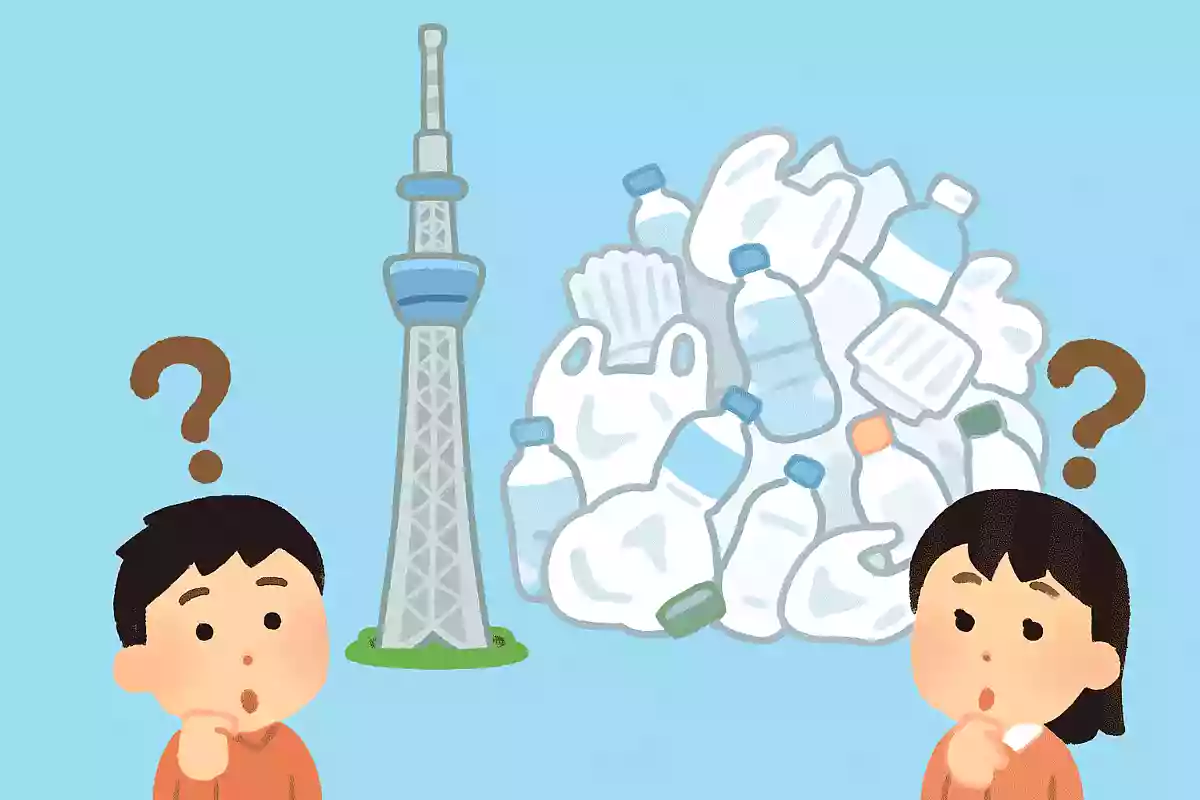
- 100 pieces
- for 1000 pieces
- for 10,000 pieces
See the answer
for 1000 pieces
Tokyo Skytree weighs 36,000 tons, while the amount of plastic produced worldwide each year is about 368 million tons—so heavy it’s hard to even imagine. In the “Life Below Water” section, we focus on the issue of marine plastic waste and aim to reduce plastic use.
The annual number of species extinctions on Earth was 1,000 in 1975—what is it now?
- 8,000 varieties
- 20,000 types
- 40,000 types
See the answer
40,000 types
In about 50 years, the number has gone from 1,000 species to 40,000—an astonishing figure, isn’t it? With 365 days in a year, that works out to 109 species a day, meaning one species goes extinct every 13 minutes. The goal of “Life on Land” is to prevent further threats to ecosystems and to strive to protect nature.