

Energizing songs recommended for men in their 70s: A roundup of nostalgic power tracks

When you think of uplifting songs recommended for people in their 70s, what tunes come to mind?
From classic enka to Showa-era pop hits, there are countless power songs from around the 1970s that fill you with energy when you listen to them.
In this article, we’ll introduce a selection of especially uplifting songs recommended for men in their 70s.
We hope you’ll enjoy the songs even more by reading the lyrics as you listen.
We’d be happy if this serves as a reference not only for those in their 70s looking for songs to enjoy themselves, but also for younger generations searching for popular songs among people in their 70s.
- Karaoke songs you’ll want to sing for men in their 70s: Enka and nostalgic Showa-era pop
- [Recommended for people in their 70s] Songs that get everyone excited. Songs you’ll want to sing at karaoke.
- [For men in their 70s] A collection of easy-to-sing songs even for people who are tone-deaf
- Easy-to-sing songs recommended for men in their 70s: A collection of classic hits you’ll want to sing at karaoke
- [Nostalgic Songs] A collection of tear-jerking Japanese tracks recommended for men in their 70s
- Energizing songs recommended for men in their 80s: A collection of nostalgic tracks that give you strength
- Recommended Cheer-Up Songs for People in Their 70s: A Collection of Uplifting Tunes
- Songs I want men in their 70s to sing: a roundup of tracks I'd like to hear at karaoke
- [Karaoke] A Collection of Nostalgic Western Songs That Get Men in Their 70s Fired Up! [2026]
- Songs that get men in their 90s excited: A roundup of classic karaoke recommendations
- Recommended love songs for men in their 70s: A collection of nostalgic love songs
- Sing-Along Hits! Karaoke Songs That Get Women in Their 70s Excited
- [Recommended for people in their 70s] Songs that really move you. Beloved classic Japanese hits of the past.
Uplifting songs recommended for men in their 70s: A collection of nostalgic power songs (41–50)
ff (fortissimo)HOUND DOG

With a powerful, resonant melody and a passionate message, this song has captured the hearts of many as an anthem that encourages listeners to push forward toward their dreams and goals.
The lyrics, which forcefully express the protagonist’s strong resolve and deep love, convey universal feelings that anyone can relate to.
Released in August 1985 and featured in a Nissin Cup Noodles TV commercial, it became one of HOUND DOG’s signature songs.
Since March 2018, it has also been used as the departure melody at JR Sendai Station.
This piece is a song that gently gives you a push when you need the courage to believe in yourself and the strength to move forward.
What a nice bath.Za Dorifutāzu

This is a song that celebrates the charms of hot spring resorts, beloved from the Showa-era hit TV program “It’s 8 o’clock! Everybody, Gather Round!” The original version, sung by the Duke Aces, was themed around hot spring areas in Gunma Prefecture, and The Drifters covered it on the B-side of their debut single.
The lyrics were adapted to feature hot spring resorts across Japan—such as Noboribetsu and Kusatsu—expressing fondness for onsen through a lively rhythm and call-and-response shouts.
The song was used as the ending theme for both “It’s 8 o’clock! Everybody, Gather Round!” and “Drifters’ Big Laughter,” and it also appeared in a 1969 film.
Humming it together with older adults while reminiscing about hot spring trips can make for a heartwarming moment.
Forever with youKayama Yūzō

A gem of a love song that conveys feelings for a cherished person through a warm, tender vocal—combining gentle expressions of affection with a dramatic arc.
Centered on themes of eternal love and happiness, it tenderly wraps the lovers’ vows in beautiful Japanese lyrics.
Yuzo Kayama’s guitar tones and emotionally rich voice create a sublime melodic line that resonates deeply with listeners.
Written in 1965 as the theme song for the film “Young Guy with an Electric Guitar,” it became a hit with over three million singles sold.
It was also chosen as the theme song for the film “Young Guy of the Alps” and received the Special Award at the 8th Japan Record Awards.
Share a soothing moment together, humming along to this song of memories and enjoying a peaceful time.
It’s also a perfect piece to spark communication among older adults.
Traveler,Kayama Yūzō

It’s a heartwarming classic woven with words that gently accompany each person’s life, a song that sinks deep into the heart.
While evoking memories of one’s hometown, it stands out as an anthem cheering on travelers who keep walking forward, its lyrics brimming with tenderness and strength.
Yuzo Kayama’s clear, translucent voice blends beautifully with the harmonies of The Launchers, creating superb balance.
The piece was released to the world as the B-side to the single “Gazing at the Night Sky” in October 1966, and was also used as an insert song in the film “Let’s Go! Wakadaisho.” In May 2010, a duet version with Ryoko Moriyama was included on the album “50 Years of Wakadaisho!” It’s highly recommended for those standing at a crossroads in life or wishing to reflect on cherished memories.
Northern fishing groundsKitajima Saburō

Set against the harsh fishing grounds of Hokkaido, this enka masterpiece portrays the pride and resolve of fishermen.
The image of men braving raging waves and biting cold while thinking of tomorrow’s catch is deeply moving.
Its powerful melody and Saburo Kitajima’s richly expressive vocals brilliantly capture the fishermen’s way of life.
Released in June 1986, the song won the Best Vocal Performance at the 28th Japan Record Awards.
It’s recommended for older listeners as a piece that recalls life experience and pride in one’s work.
Northern SpringSen Masao

It’s a classic song woven from nostalgic scenery and heartwarming melodies.
You can picture the springtime scenes of the northern country—snowmelt, white birches, and kobushi magnolia blossoms.
The protagonist’s longing for their hometown while living in the city is poignant.
Released in April 1977, it stayed on the hit charts for two and a half years.
For many older listeners, it may be a song full of memories.
Humming the lyrics while recalling your hometown and cherished people is a lovely idea.
It’s also great to listen to with family and friends.
You’ll enjoy a wonderful time wrapped in nostalgia and warmth.
Let’s get married.yoshida takurou
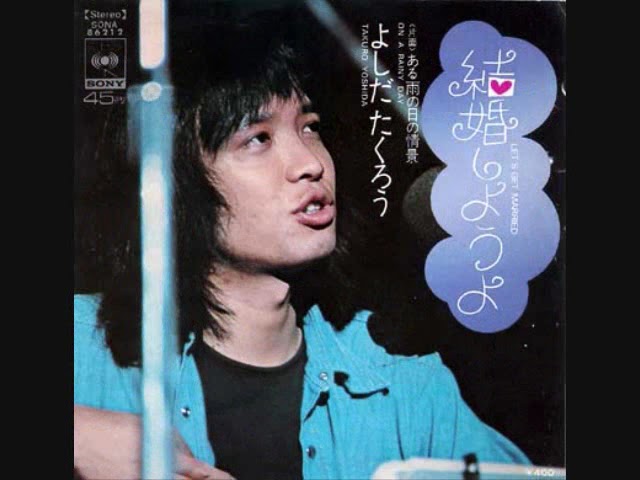
This work is memorable for its translucent, beautiful melody and sweet, poignant vocals.
Released in 1972, the song marked a major turning point in the history of folk music.
Centered on acoustic guitar, its warm sound creates an atmosphere that gently envelops feelings of love.
While poetically depicting springtime scenes, Takuro Yoshida expresses sincerity and pure affection.
Simple yet profound in its message, this classic reached a peak of No.
3 on the Oricon weekly chart.
Its heartwarming, gentle tone and tender vocal timbre enrich everyday moments.
It’s a song to savor slowly on a blossoming spring day, reminiscing with those of the same generation as memories come into full bloom.