


When you think of uplifting songs recommended for people in their 70s, what tunes come to mind?
From classic enka to Showa-era pop hits, there are countless power songs from around the 1970s that fill you with energy when you listen to them.
In this article, we’ll introduce a selection of especially uplifting songs recommended for men in their 70s.
We hope you’ll enjoy the songs even more by reading the lyrics as you listen.
We’d be happy if this serves as a reference not only for those in their 70s looking for songs to enjoy themselves, but also for younger generations searching for popular songs among people in their 70s.
- Karaoke songs you’ll want to sing for men in their 70s: Enka and nostalgic Showa-era pop
- [Recommended for people in their 70s] Songs that get everyone excited. Songs you’ll want to sing at karaoke.
- [For men in their 70s] A collection of easy-to-sing songs even for people who are tone-deaf
- Easy-to-sing songs recommended for men in their 70s: A collection of classic hits you’ll want to sing at karaoke
- [Nostalgic Songs] A collection of tear-jerking Japanese tracks recommended for men in their 70s
- Energizing songs recommended for men in their 80s: A collection of nostalgic tracks that give you strength
- Recommended Cheer-Up Songs for People in Their 70s: A Collection of Uplifting Tunes
- Songs I want men in their 70s to sing: a roundup of tracks I'd like to hear at karaoke
- [Karaoke] A Collection of Nostalgic Western Songs That Get Men in Their 70s Fired Up! [2026]
- Songs that get men in their 90s excited: A roundup of classic karaoke recommendations
- Recommended love songs for men in their 70s: A collection of nostalgic love songs
- Sing-Along Hits! Karaoke Songs That Get Women in Their 70s Excited
- [Recommended for people in their 70s] Songs that really move you. Beloved classic Japanese hits of the past.
Uplifting songs recommended for men in their 70s: A nostalgic power song collection (1–10)
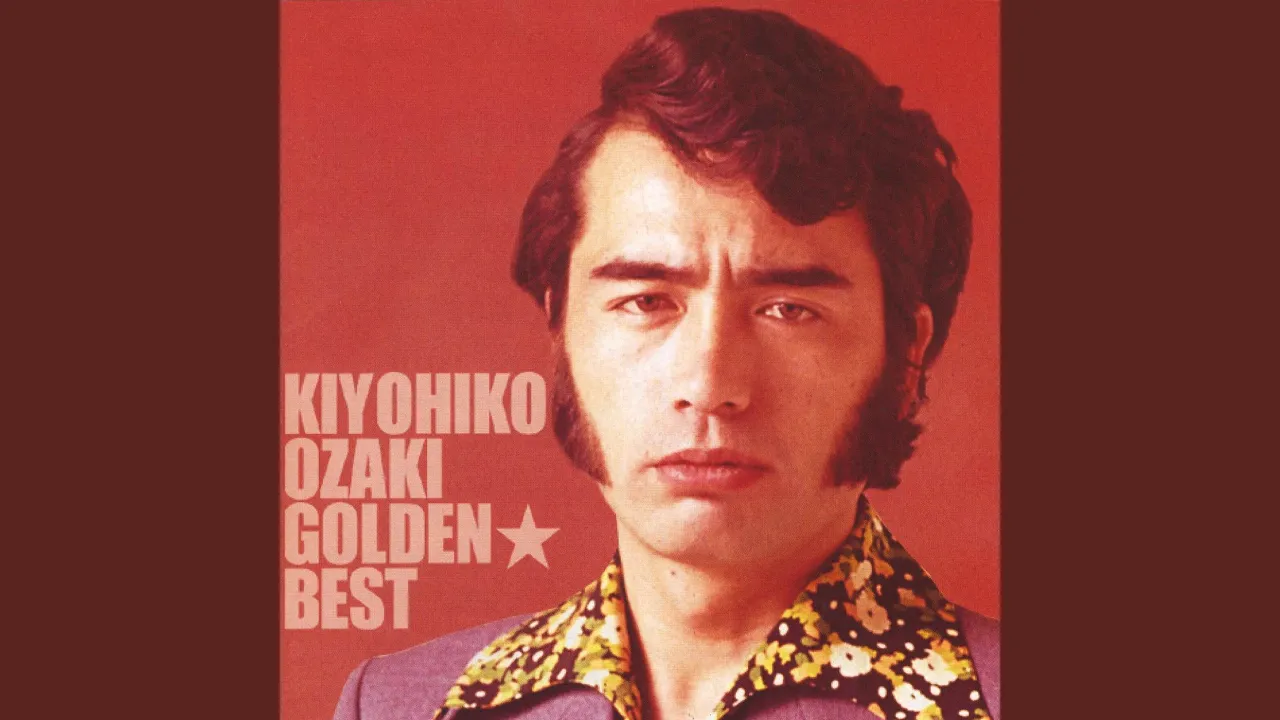
Until we meet againOzaki Kiyohiko

A masterpiece that blends nostalgia with strength.
Released in March 1971, it also earned a spot on that year’s NHK Kōhaku Uta Gassen.
With Kiyohiko Ozaki’s crystal-clear vocals, this work gives courage to overcome the pain of parting.
The lyrics—praised as embodying the “aesthetics of the Showa era”—delicately portray the feelings of a man and woman who have resolved to say goodbye.
In 1972, it was chosen as the entrance march for the 44th National High School Baseball Invitational Tournament, and it has long been cherished by many.
How about humming this song as we retrace our nostalgic memories together?
Osaka RhapsodyUminara Senri · Mari

The song “Osaka Rhapsody” by the manzai duo Unabara Senri & Mari is about a romance between a man and a woman set against the backdrop of the city of Osaka.
In fact, Unabara Senri is none other than Emiko Uemura (Emiko Uemoto), who is now a major star on variety shows mainly in the Kansai region! The lyrics mention famous Osaka spots like Midosuji and Dotonbori, which may evoke nostalgia for many listeners.
Released in February 1976, the song reached a peak of No.
24 on the Oricon Weekly Singles Chart.
If you have ties to Osaka, why not sing it while picturing the cityscape and the days you spent there?
Festival MamboMisora Hibari

Hibari Misora’s “Omatsuri Mambo” is a heart-thumping classic that celebrates the joy and vibrancy of people who truly love Japanese festivals, set against the lively backdrop of a matsuri.
Released in 1952 when Hibari was just 15, the song brilliantly pairs her extraordinary vocal prowess with Rokurō Hara’s unique lyrics and composition.
Its immersive sound makes you feel as if you’re right in the middle of a festival, instantly lifting the listener’s spirits.
Enjoy it with family and friends to fully soak up the festive atmosphere—you’re sure to feel energized!
Run, Kotaro!Sorutī Shugā

This song is perfect for those who feel nostalgic about the horse racing boom of the Showa era.
With its comical lyrics and lively melody, just listening to it is sure to lift your spirits.
Released in 1970, it became a massive hit, selling nearly one million copies.
It has since been covered in various works and continues to be loved by many.
The song is also familiar across generations, having been used as background music for school sports day footraces.
Enjoy it with family and friends and let it spark conversations about the old days.
Why not spend a fun time reminiscing about the excitement of the racetrack?
Sūdara-bushiUeki Hitoshi
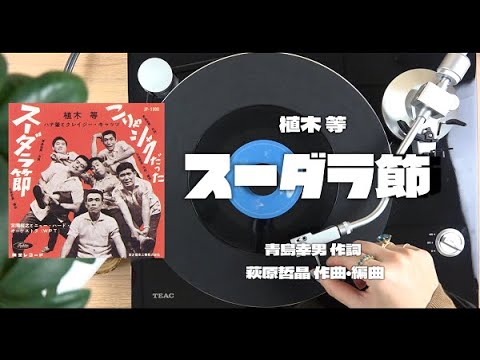
Speaking of classic hits from the Showa era, this humor-filled song tops the list.
A signature work by Hitoshi Ueki, it became a massive hit as soon as it was released in 1961.
He even performed it on NHK’s Kouhaku Uta Gassen, and in 1990 it stirred up the charts again as “Sudarara Densetsu.” It’s an uplifting tune that laughs off life’s failures and setbacks with a bright, carefree spirit.
Featured in films and commercials, it continues to be loved across generations.
Why not hum along with a smile, letting the nostalgia wash over you?
A Man Who Summons StormsIshihara Yūjirō

This is one of Yujiro Ishihara’s signature songs, beloved by many as a legendary actor and singer of the Showa era even as times change.
It was released as a single by Teichiku Records in February 1958 and was produced as the theme song for a film of the same title.
Riding on the movie’s success, the song became a major hit and cemented Ishihara’s star status.
Its powerful lyrics depicting passion and way of life, along with Ishihara’s masculine vocals, are especially compelling.
It’s a track that can help older listeners recall their youth and feel energized—one we highly recommend you give a listen.
Song of DepartureKamijō Tsunehiko & Rokumonsen

“Departure Song” is a piece born from the collaboration between Tsunehiko Kamijō and the folk group Rokumonsen.
Its hopeful lyrics—urging you to “fly beyond the galaxy”—leave a strong impression and give you the courage to take a step toward a new beginning.
Upon its release in 1971, it became a major hit, and by 1974 it had even been included in high school music textbooks, attesting to its influence.
Despite being produced under a tight deadline, it went on to win the Grand Prix at the World Popular Song Festival, making the behind-the-scenes story as fascinating as the song itself.